Asked constantly, answered honestly
Travel answers from the valley
The questions travelers actually search — answered directly by people who live here, with the practical detail the brochures skip.
Best Places to Visit in Hunza Valley
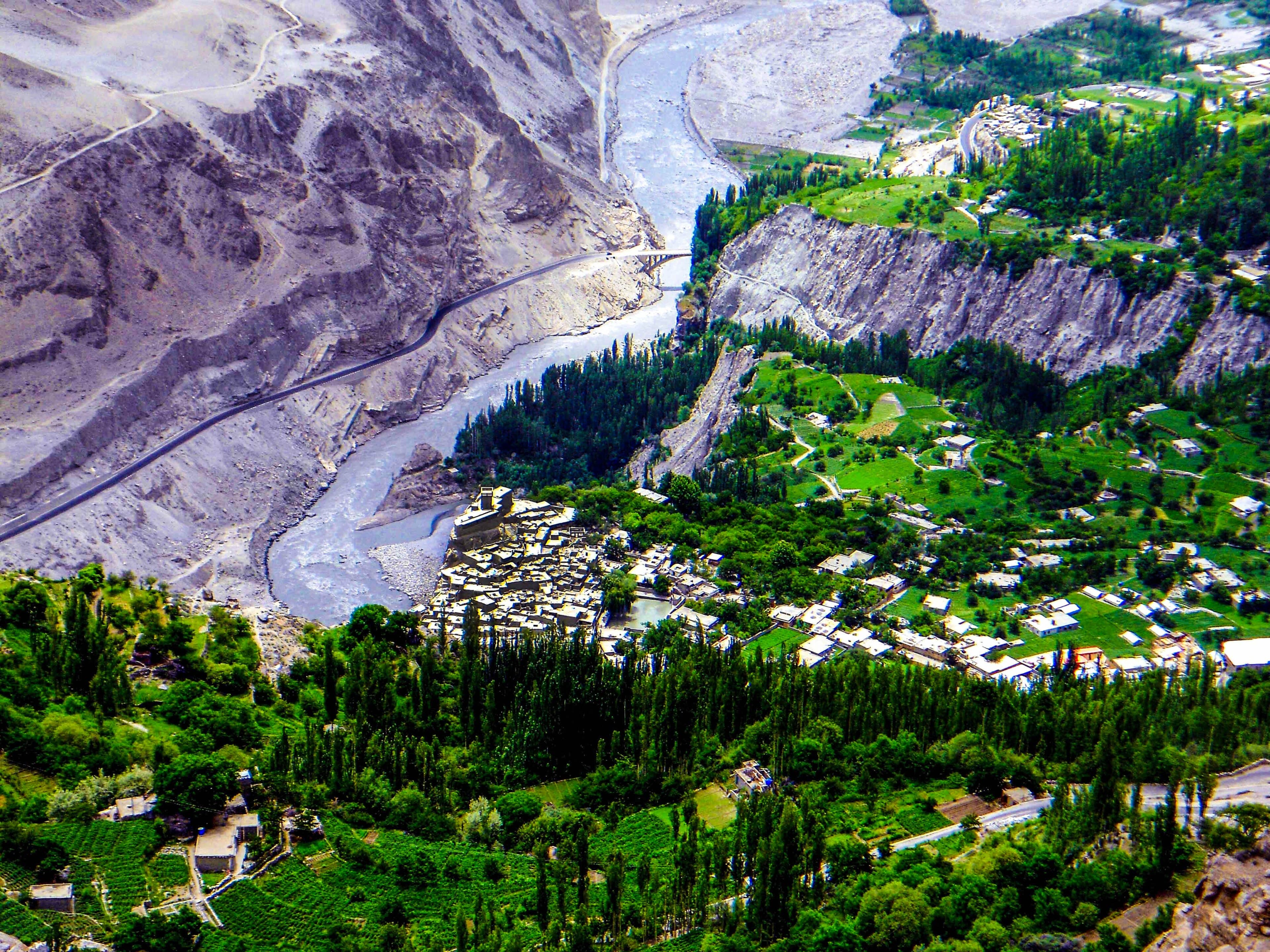
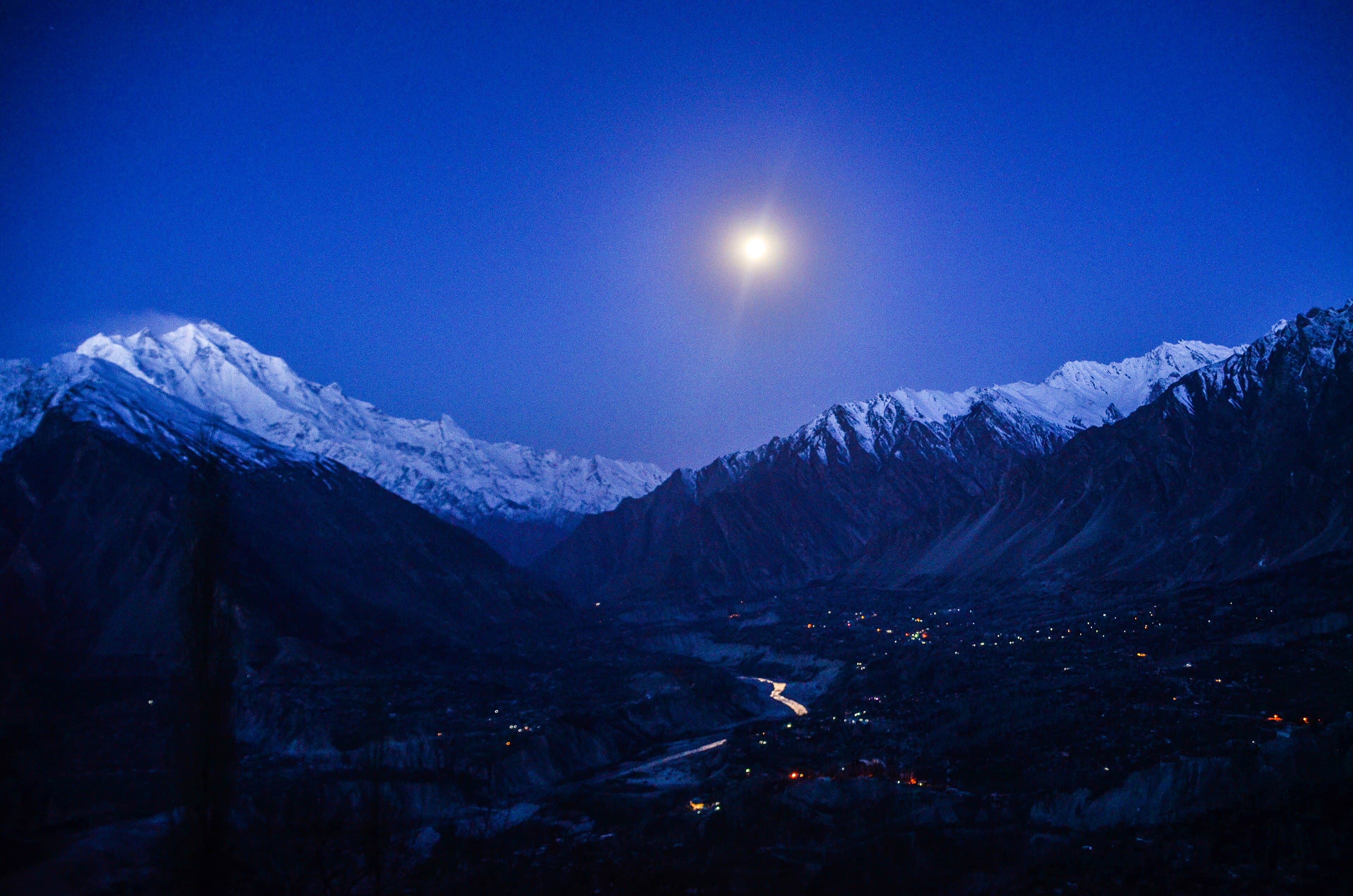
The best places to visit in Hunza Valley are Attabad Lake, the 700-year-old Baltit Fort in Karimabad, the Passu Cones, Khunjerab Pass on the China border, Eagle's Nest viewpoint at Duikar, the Hussaini Suspension Bridge, Altit Fort and Borith Lake. Most can be seen in three days; five days lets you add Rakaposhi Base Camp or Hopper Glacier.
Full answer →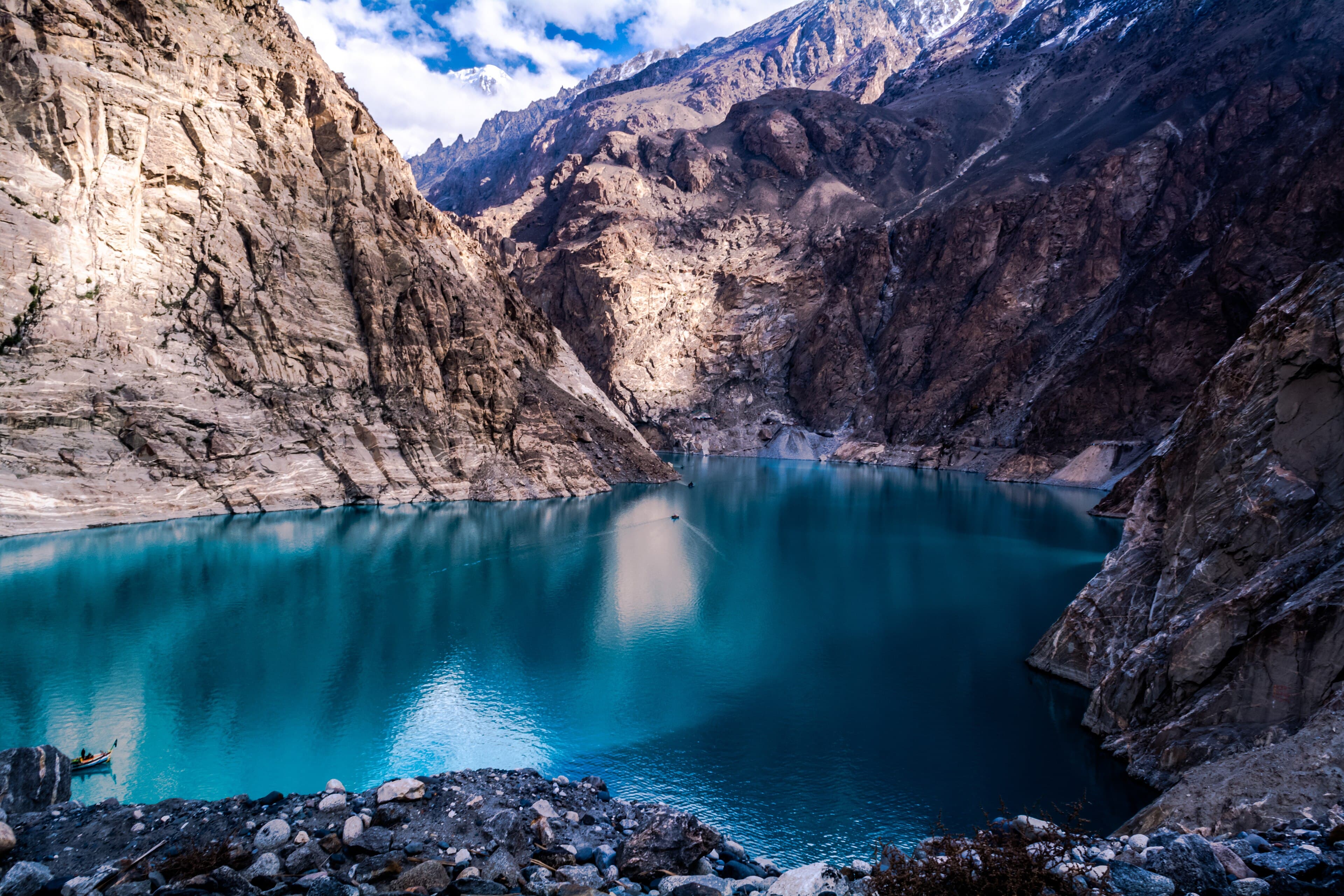
Lakes in Hunza: Attabad, Borith and Beyond
Hunza has three notable lakes: Attabad Lake, a 19-km turquoise lake formed by a 2010 landslide, famous for boating and lakeside resorts; Borith Lake, a quiet saline lake at 2,600 m near Passu, loved by birdwatchers; and Rush Lake at 4,694 m in neighbouring Nagar — one of the world's highest alpine lakes, reached by a multi-day trek.
Full answer →
Glaciers in Hunza You Can Actually Walk To
The most accessible glaciers in the Hunza region are Passu Glacier (visible from a short walk above Borith Lake), Batura Glacier (57 km — one of the longest outside the polar regions), Hopper Glacier in Nagar (a viewpoint you can drive to), and Ultar Glacier above Karimabad. Passu and Hopper suit day-trippers; Batura rewards multi-day trekkers.
Full answer →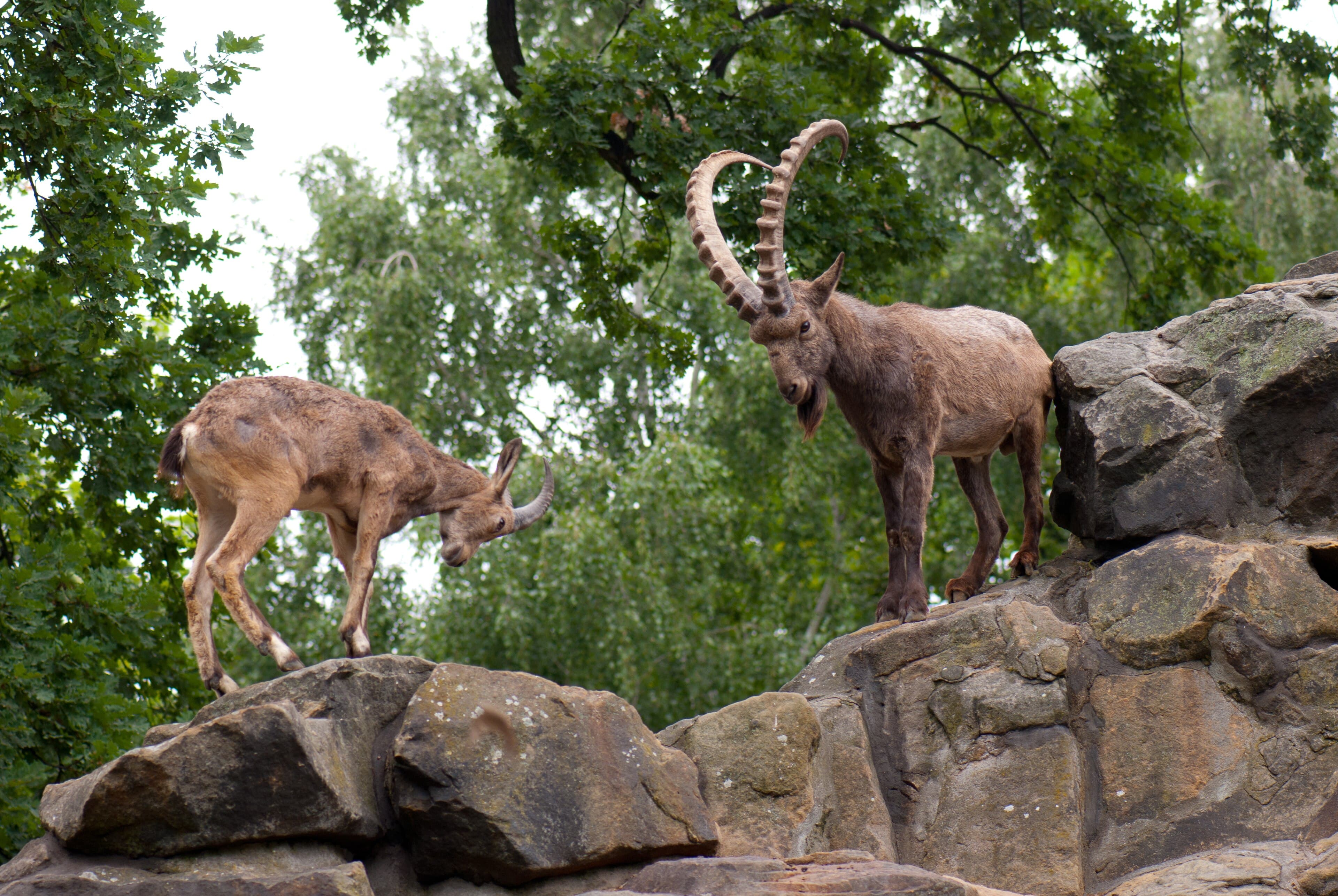
Markhor in Pakistan: Where to See the National Animal
The markhor — Pakistan's national animal, a wild goat with dramatic corkscrew horns — is best seen in Gilgit-Baltistan's community conservation areas, especially around Hunza-Nagar, the Khunjerab buffer zones and Astore, in winter (November–March) when herds descend to lower slopes. Once near-threatened, markhor numbers have recovered through a community trophy-hunting program in which roughly 80% of permit fees fund local conservation.
Full answer →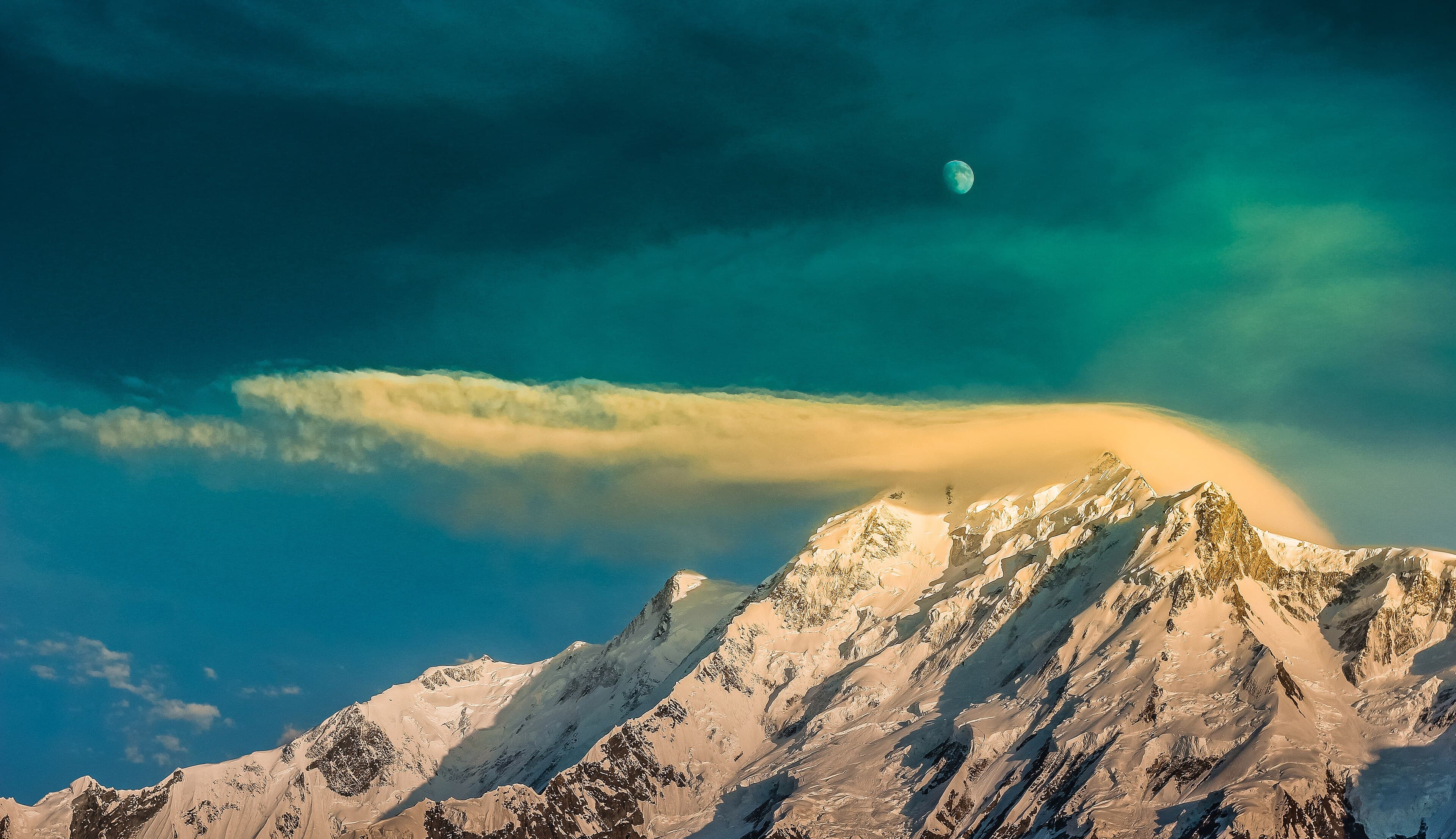
Snow Leopards in Pakistan: Where and How to See One
Pakistan's snow leopards are most reliably sought in Khunjerab National Park and the side valleys of upper Hunza (Gojal) in winter, November–March, when ibex herds — their prey — descend and the cats follow. Sightings are never guaranteed, but week-long expeditions with local spotters watching known ridgelines give a genuine chance, and fresh tracks, ibex herds and golden eagles are near-certain.
Full answer →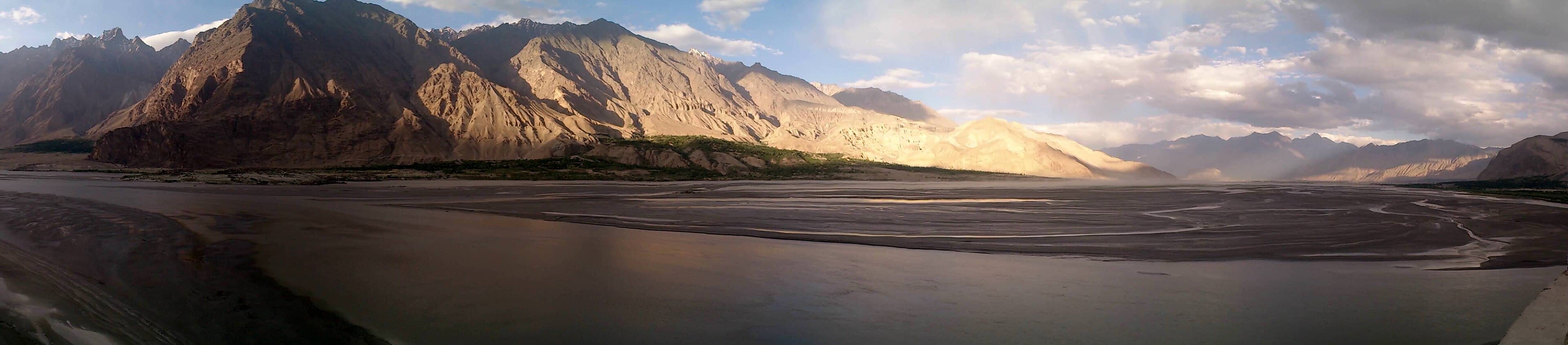
How to See K2 Without Climbing It
Non-climbers can see K2 by trekking to Concordia — a challenging but non-technical 10–14 day walk from Askole via the Baltoro Glacier, where K2, Broad Peak and the Gasherbrums surround you. Easier options: the PIA Islamabad–Skardu flight passes the Karakoram on clear days, and viewpoints like Marsur Rock near Hushe offer distant K2 views on short hikes.
Full answer →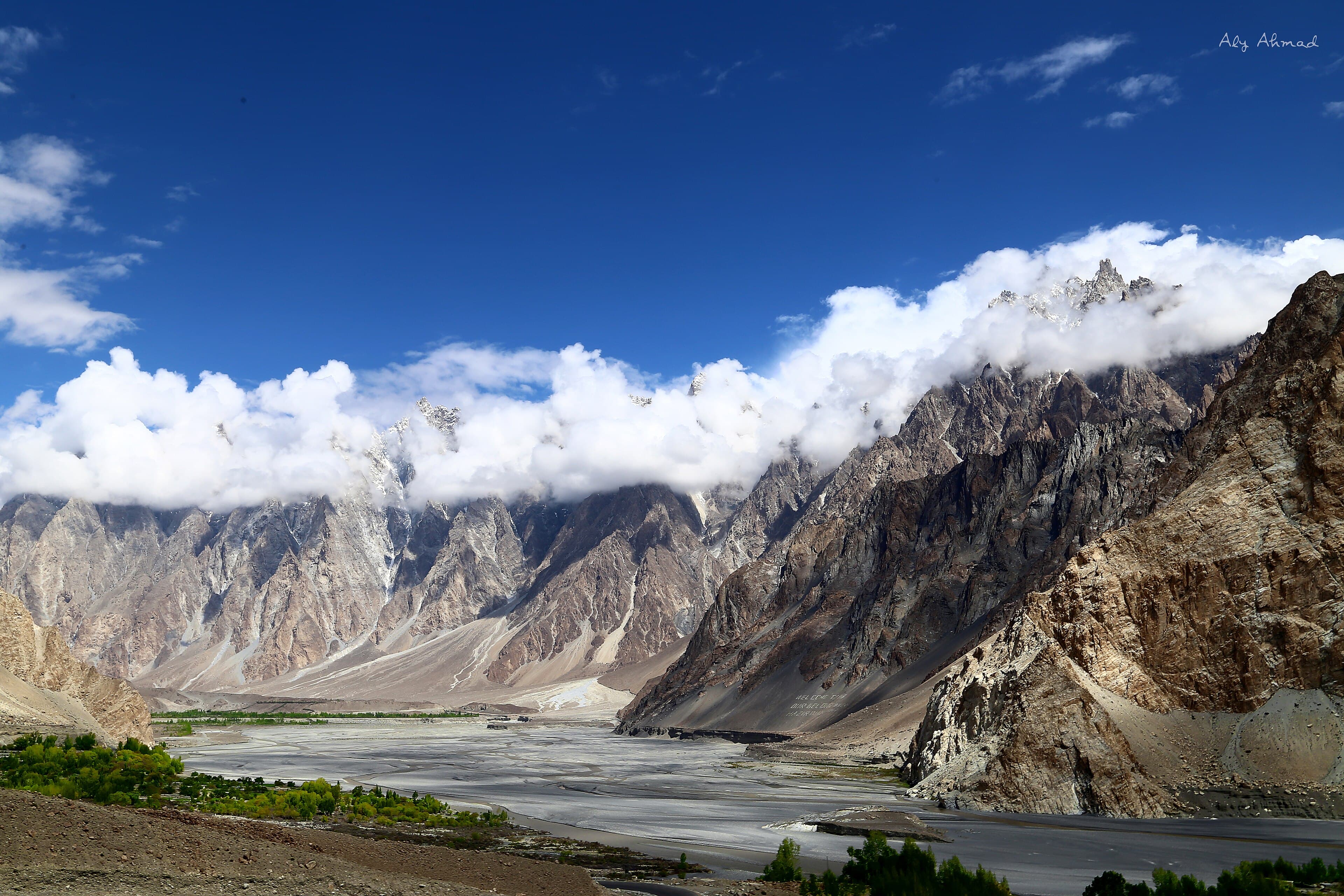
Passu Cones: Best Viewpoints and Photo Spots
The classic Passu Cones photo spots are the Karakoram Highway viewpoints 2–4 km south of Passu village (the head-on 'cathedral' shot), the Gulmit–Hussaini stretch with the Hunza River in frame, Borith Lake for reflections, and Passu village orchards for foreground. For the epic angle, the two-day hike to Patundas plateau puts the Cones, Passu Glacier and Batura wall in one frame. Light is best in late afternoon.
Full answer →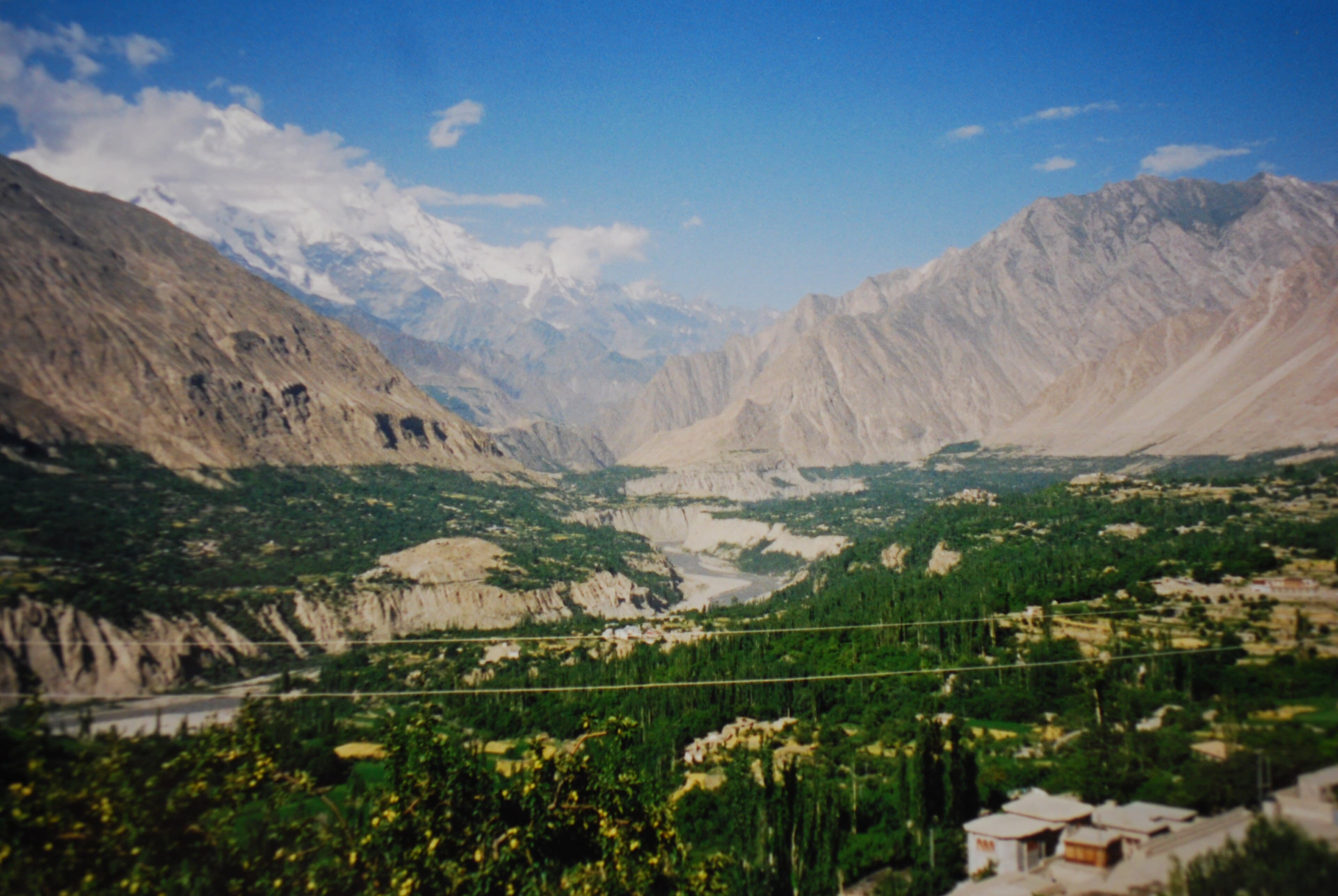
Is Hunza Safe for Women Travelers?
Yes — Hunza is widely considered one of the safest places in Pakistan for women travelers, including solo travelers. The valley's largely Ismaili community has near-universal education, women run shops, cafés and workshops, and street harassment is negligible. Dress modestly as you would anywhere in Pakistan, and remember that conditions in other districts differ from Hunza's — plan onward travel with that in mind.
Full answer →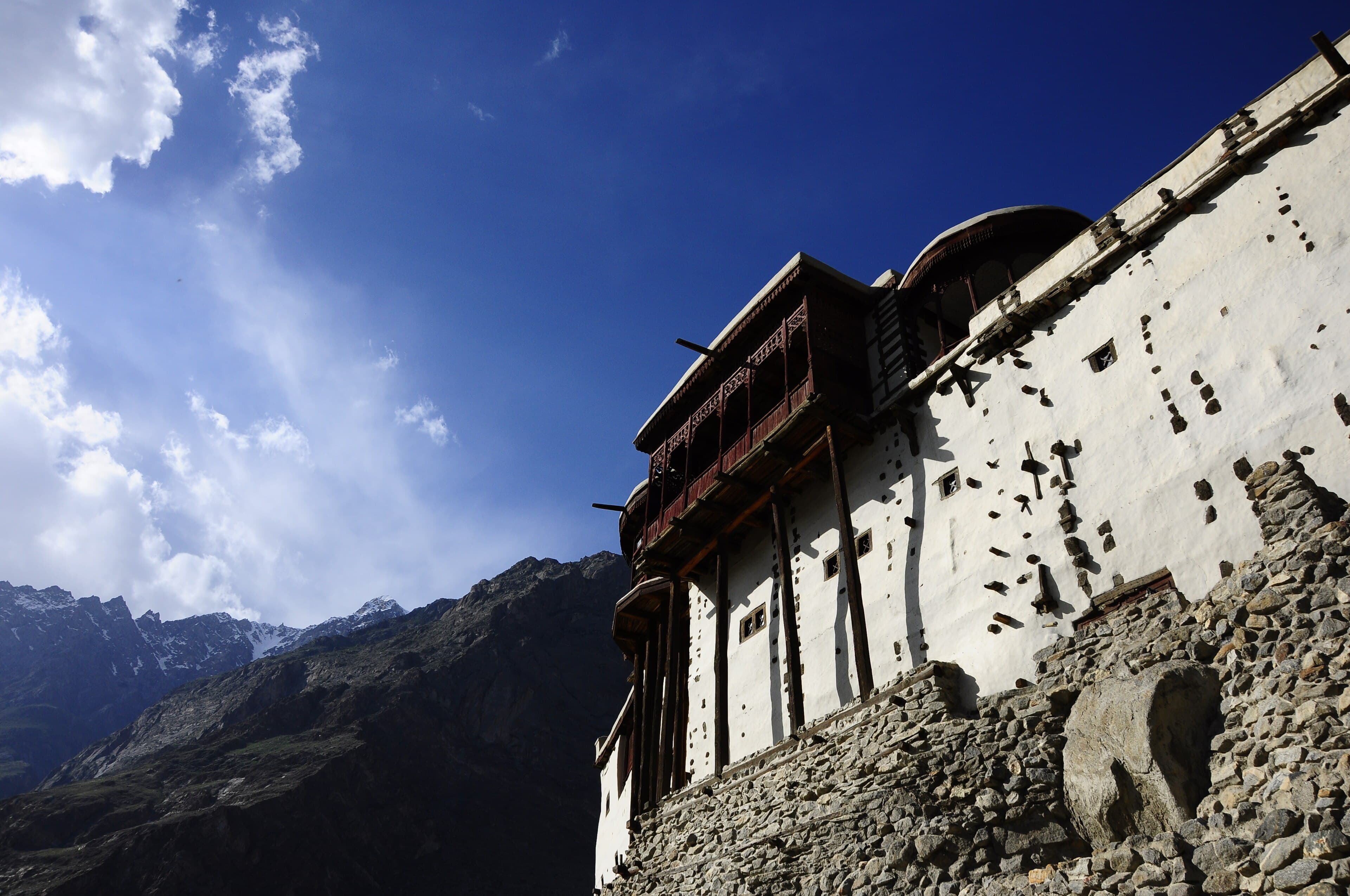
What Language Is Spoken in Hunza?
Central Hunza speaks Burushaski, a language isolate with no proven relationship to any other language on earth. Upper Hunza (Gojal) speaks Wakhi, an Eastern Iranian language shared with the Afghan Wakhan, while Shina dominates south of the valley around Gilgit. Urdu is the lingua franca everywhere, and thanks to near-universal education, English is widely spoken in Karimabad and the tourism trade.
Full answer →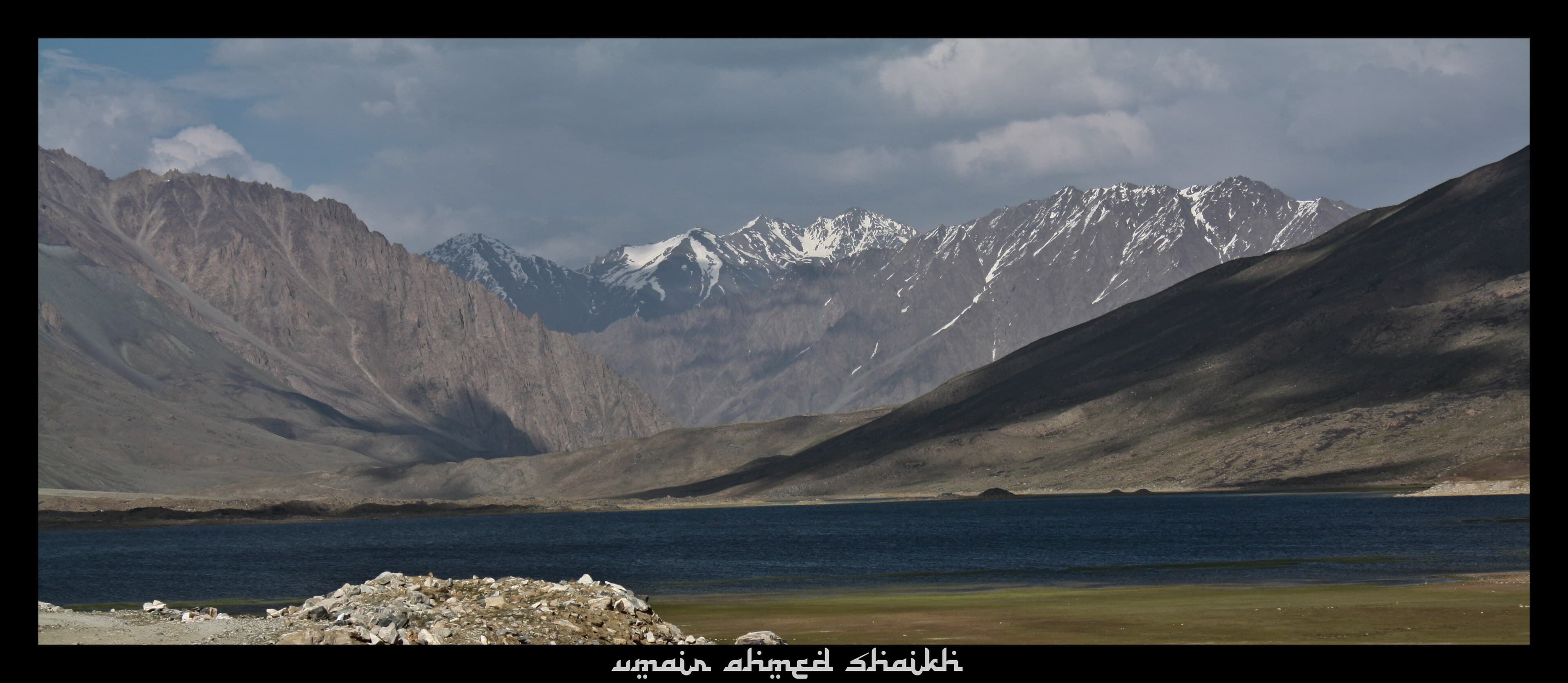
When Is the Shandur Polo Festival?
The Shandur Polo Festival is traditionally held in early-to-mid July each year on the Shandur Pass, at about 3,700 m, where teams from Gilgit and Chitral contest three days of freestyle polo on the world's highest polo ground. Exact dates are announced by the authorities each year and have occasionally shifted, so confirm the schedule before booking; most visitors camp at the pass.
Full answer →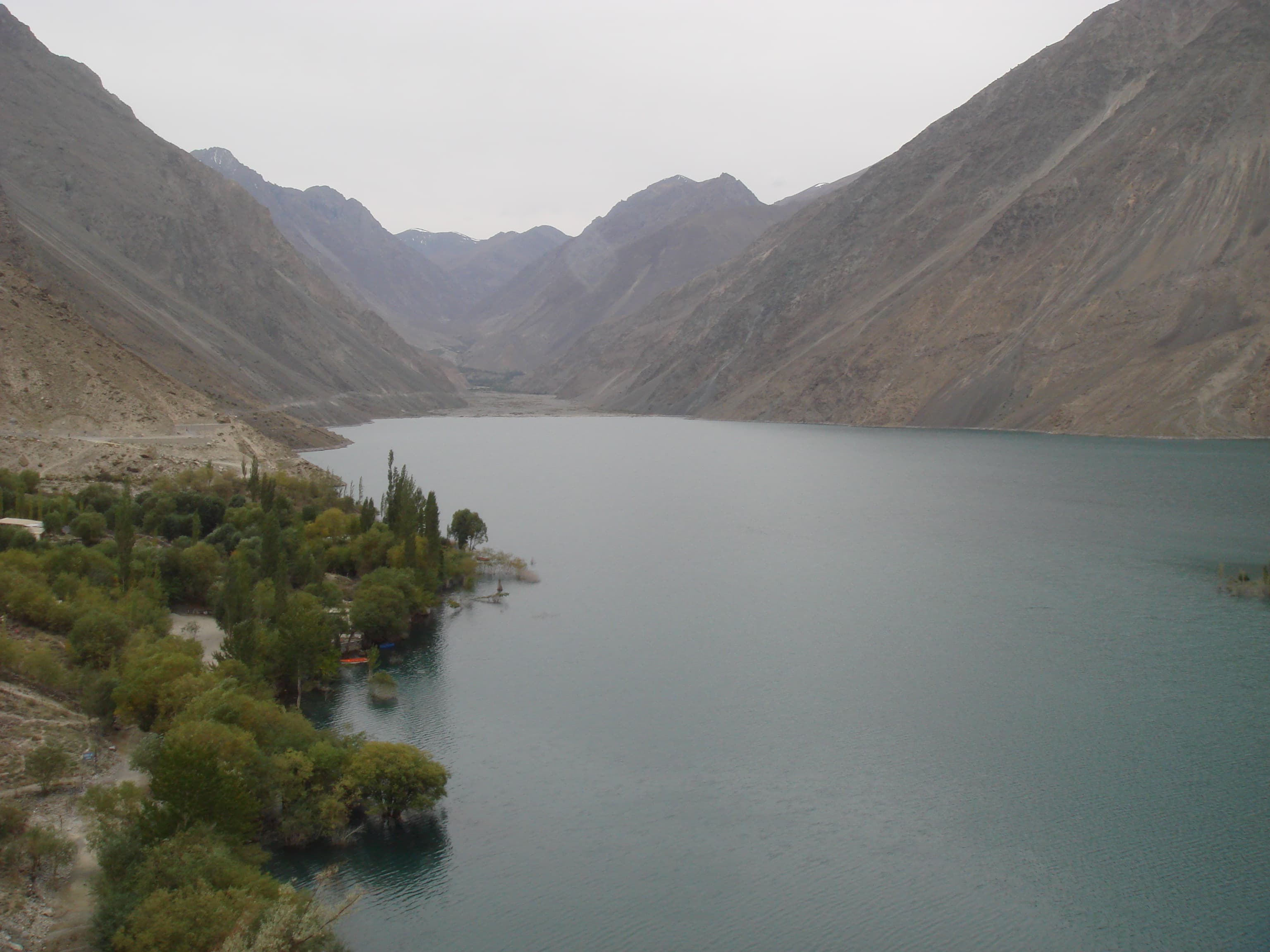
Who Was Ali Sadpara?
Muhammad Ali Sadpara (1976–2021) was Pakistan's most beloved mountaineer — a high-altitude porter from Sadpara village near Skardu who rose to climb eight of the world's 8,000-metre peaks. He made the first winter ascent of Nanga Parbat in February 2016, and died in February 2021 attempting a winter ascent of K2. His son Sajid Sadpara continues his legacy.
Full answer →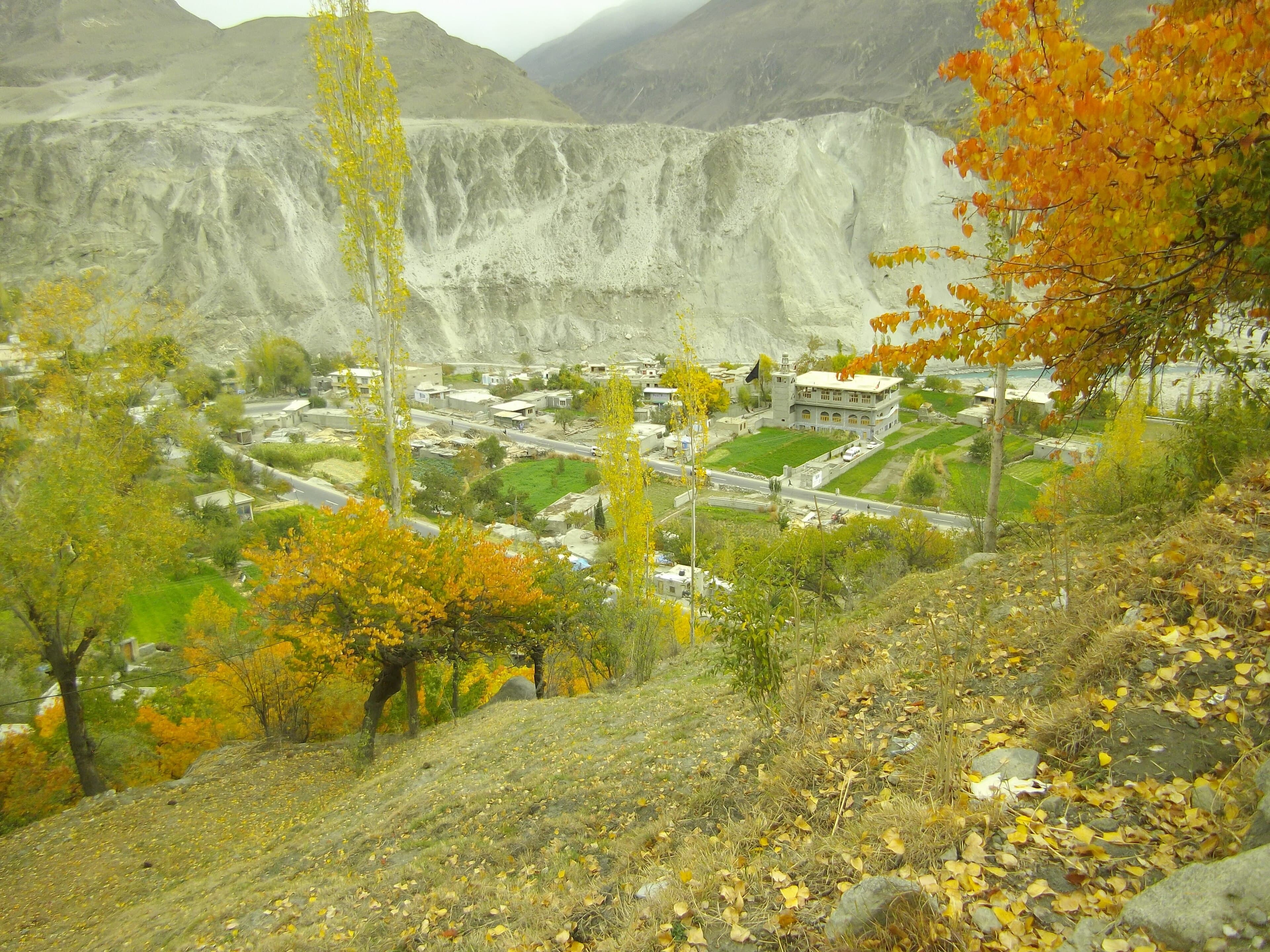
Best Villages to Visit in Hunza Valley
The best villages to visit in Hunza are Karimabad (the historic capital below Baltit Fort), Altit (the oldest settlement, with a 1,100-year fort), Ganish (a fortified Silk Road village), Duikar (the highest, home of the Eagle's Nest viewpoint), Gulmit (Gojal's Wakhi cultural heart), Passu (glacier country beneath the Cones), Shimshal (the remote village of mountaineers) and Chapursan (the last valley before the Wakhan).
Full answer →
Trophy Hunting in Pakistan: How the Permit System Works
Trophy hunting in Pakistan operates as a regulated, CITES-recognized community conservation program. Each year a small number of permits — for markhor, Himalayan ibex and blue sheep — are auctioned, with markhor permits regularly selling for well over $100,000. Roughly 80% of each fee goes to the village conservancy that protects the herds, populations have recovered strongly, and the season runs November to April.
Full answer →Start the conversation
Have a question these didn't cover?
Tell us your dates, interests and pace — we'll design a private itinerary with local guides, reliable 4x4s and hand-picked stays.