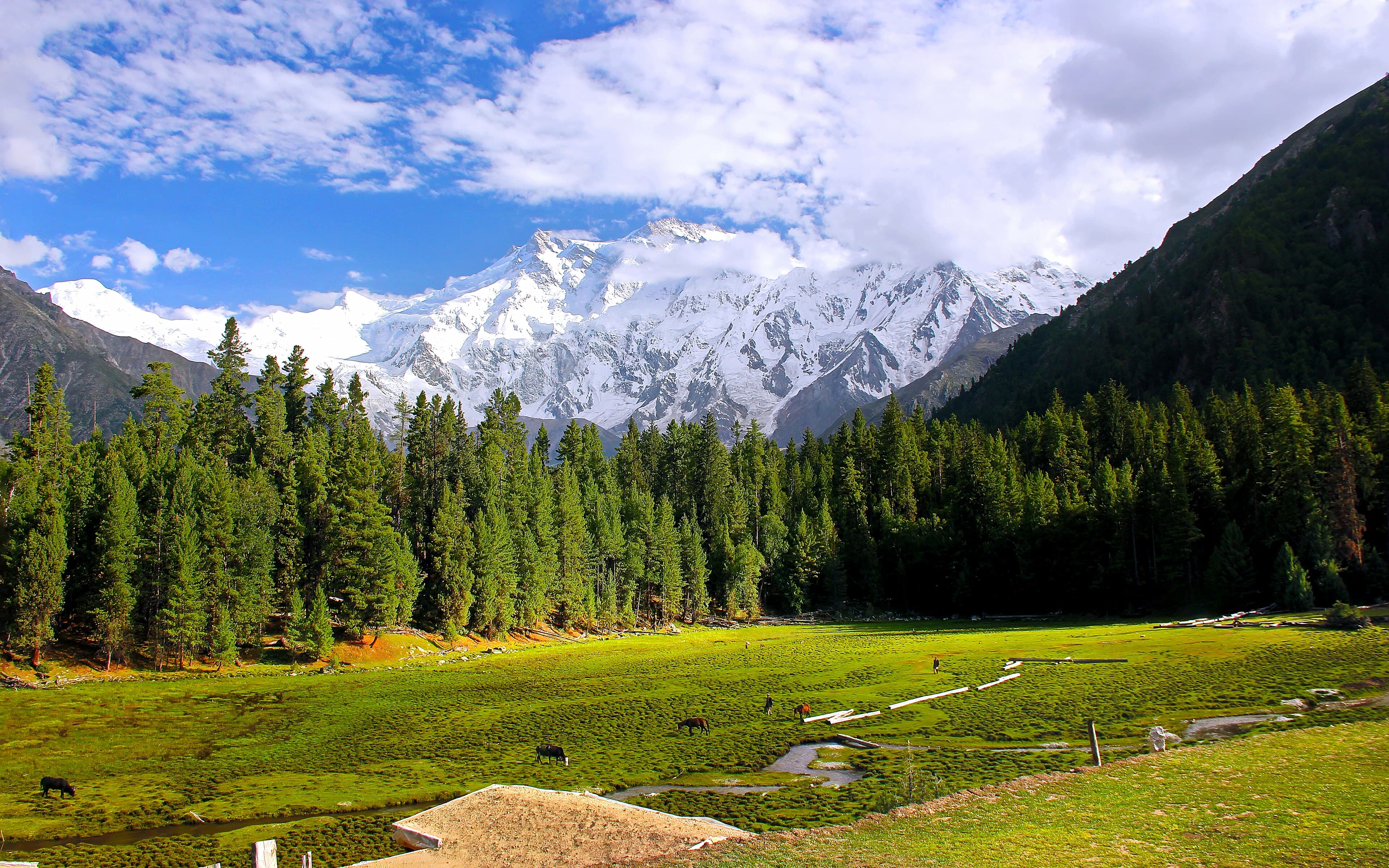
Log cabins on the green grassland of Fairy Meadows facing Nanga Parbat

Fairy Meadows & Diamer · 3,300 m · meadow

Fairy Meadows

The grassland the German climbers called Märchenwiese

Elevation
≈ 3,300 m
Facing
Raikot face of Nanga Parbat (8,126 m)
Named by
German climbers — 'Märchenwiese'
Final approach
Jeep to Tattu, then 5 km hike

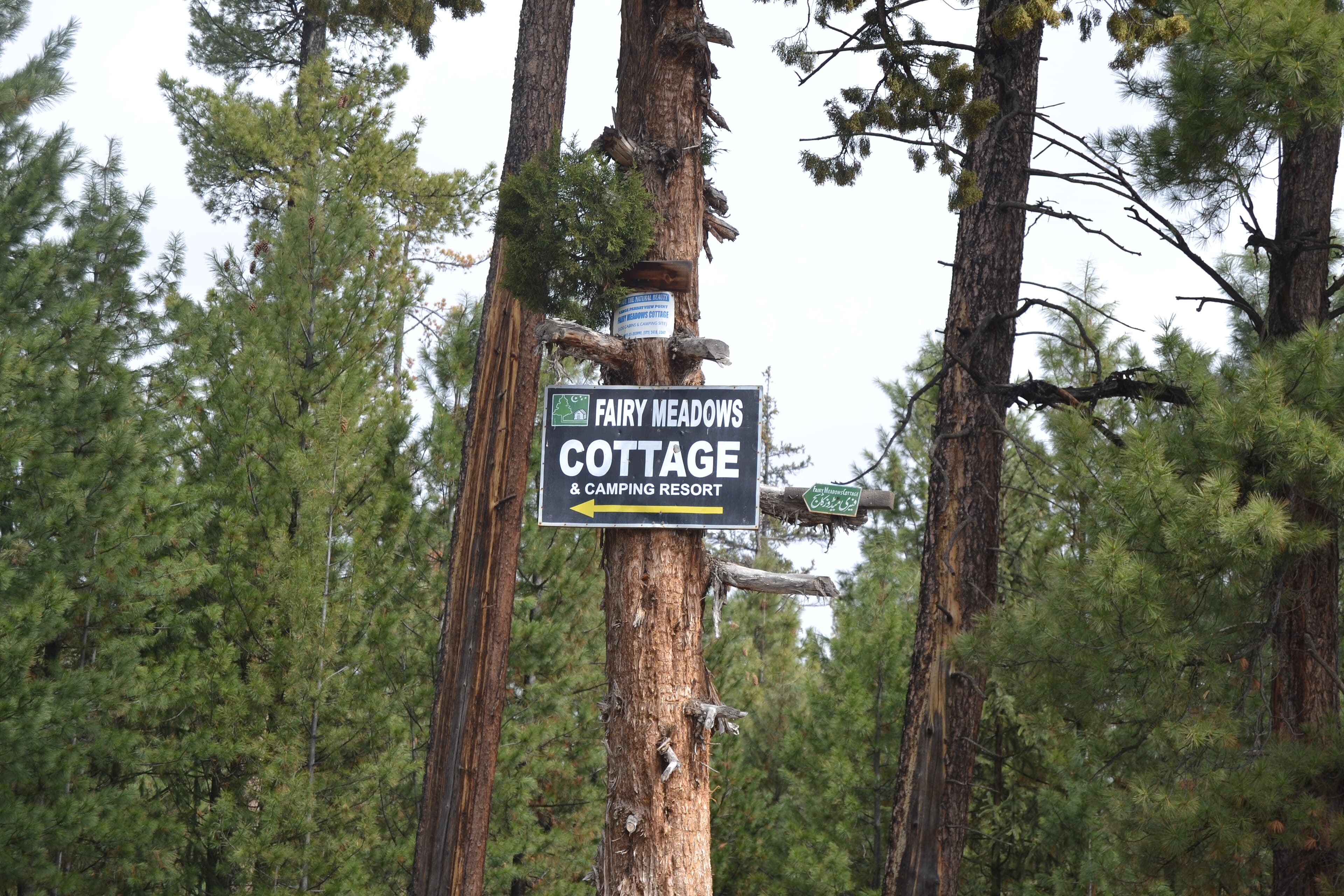
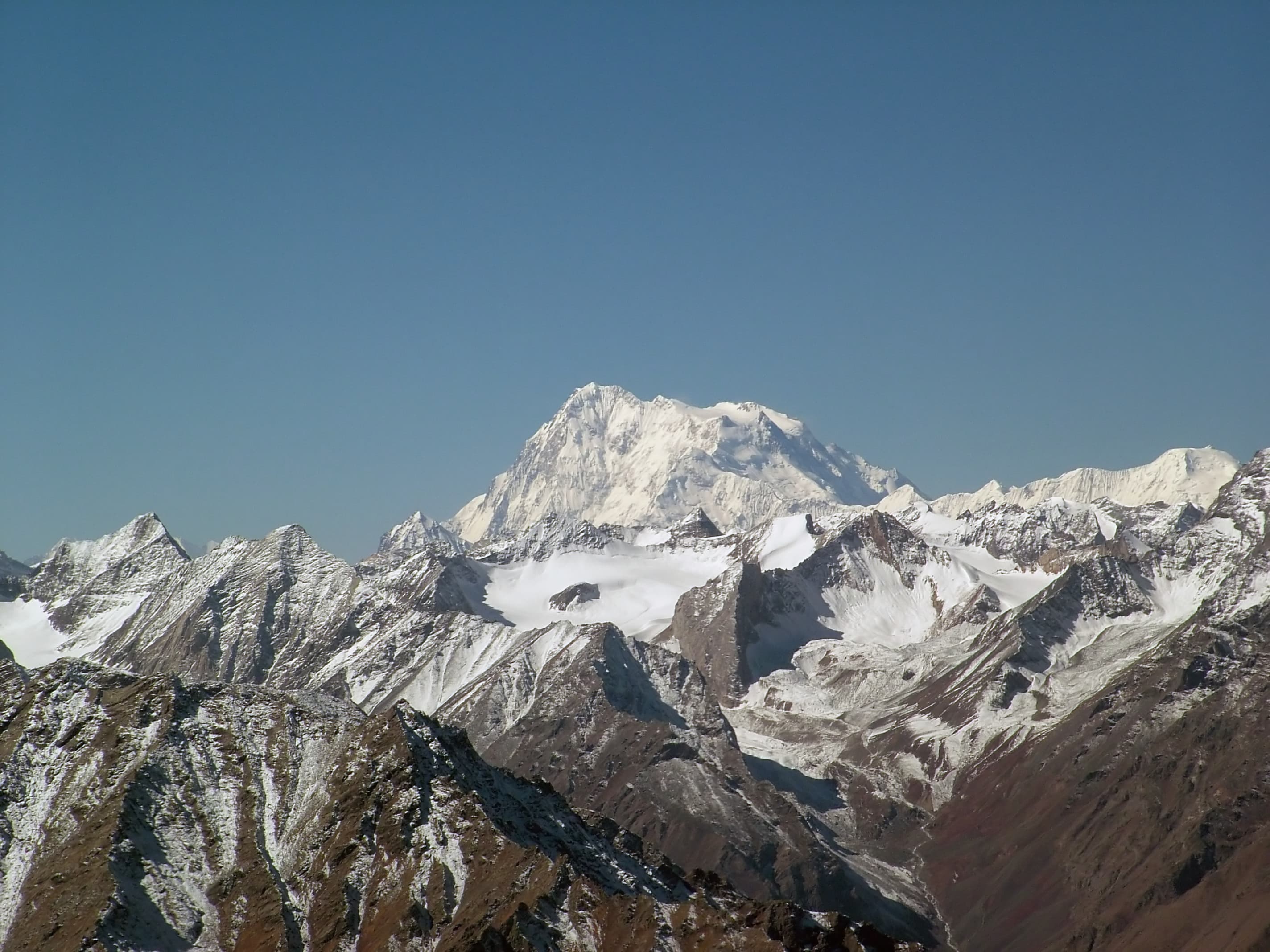
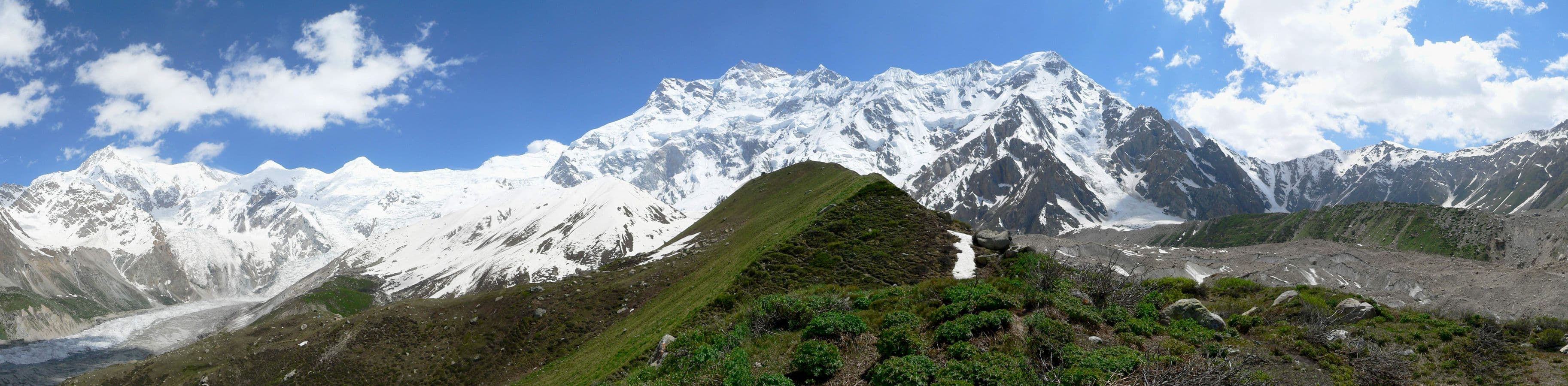
Fairy Meadows is the view that sells northern Pakistan: a rolling alpine grassland at about 3,300 m, fringed by pine forest and facing the Raikot face of Nanga Parbat (8,126 m) head-on. The ninth-highest mountain on earth rises three vertical kilometres straight from the meadow's horizon, close enough that you can watch avalanches peel off its séracs from a deckchair.

The name is a translation. German climbers approaching the mountain in the 1930s called the pasture 'Märchenwiese' — fairy-tale meadow — and the name stuck through Hermann Buhl's legendary 1953 first ascent and into the trekking era. Local Gujar and Diamer communities still graze the meadow in summer, and they run most of its cabins and campsites today.

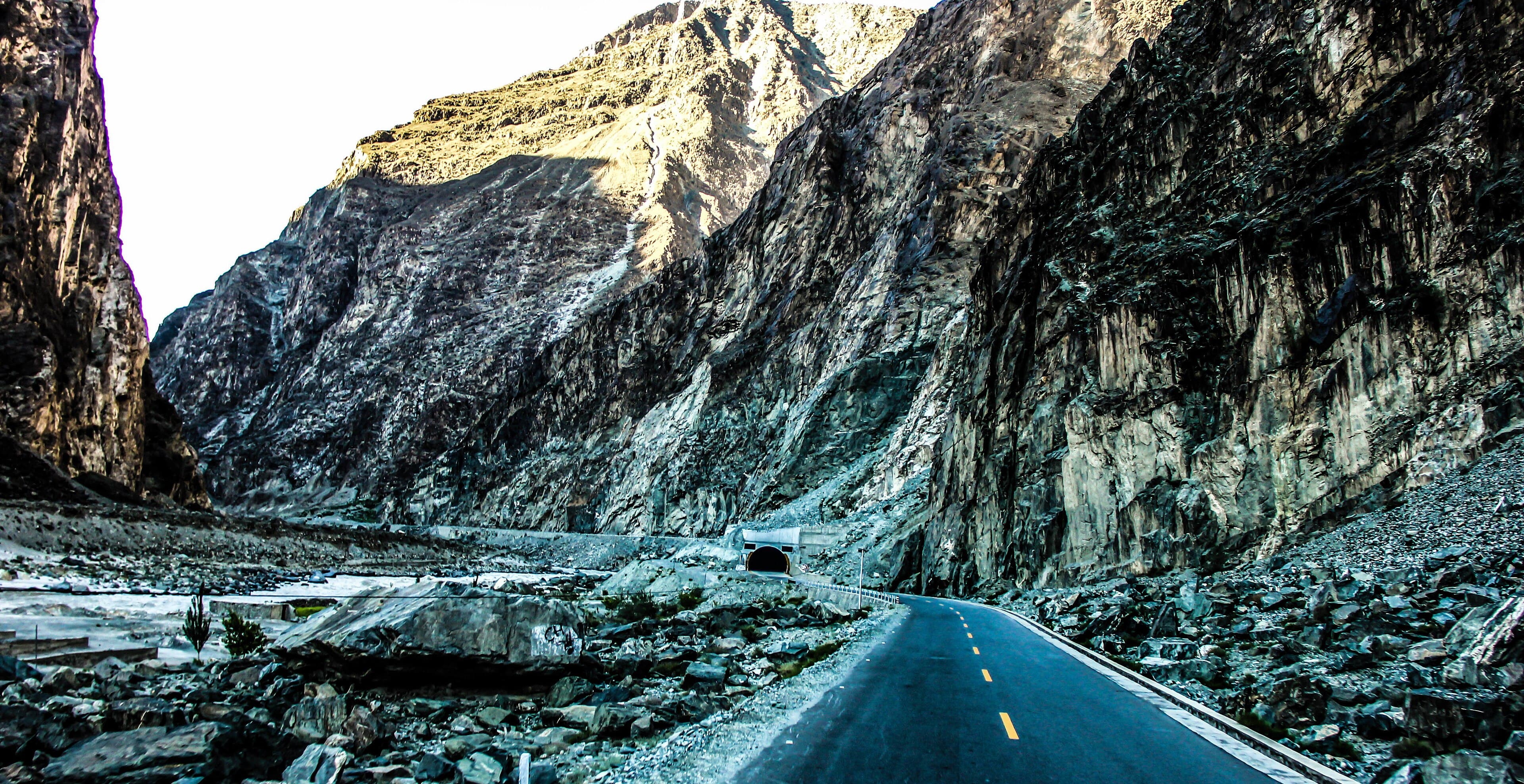
Getting there is an adventure in three acts: drive the Karakoram Highway to Raikot Bridge, transfer to a local 4x4 for the famous cliff-cut jeep track to Tattu village, then hike the final 5 km through forest to the meadows — about two to three hours at an easy pace, with ponies for hire. The track itself, covered under the Raikot Bridge jeep track page, is half the story people come home telling.

Once there, the rhythm is simple. Log cabins and seasonal glamping tents cluster at the forest edge; meals are hot, beds are warm, and power is generator or solar. Sunset turns the Raikot face copper, and after dark the Milky Way arcs over the summit ridge — Fairy Meadows is one of Pakistan's best easily-reached stargazing spots.

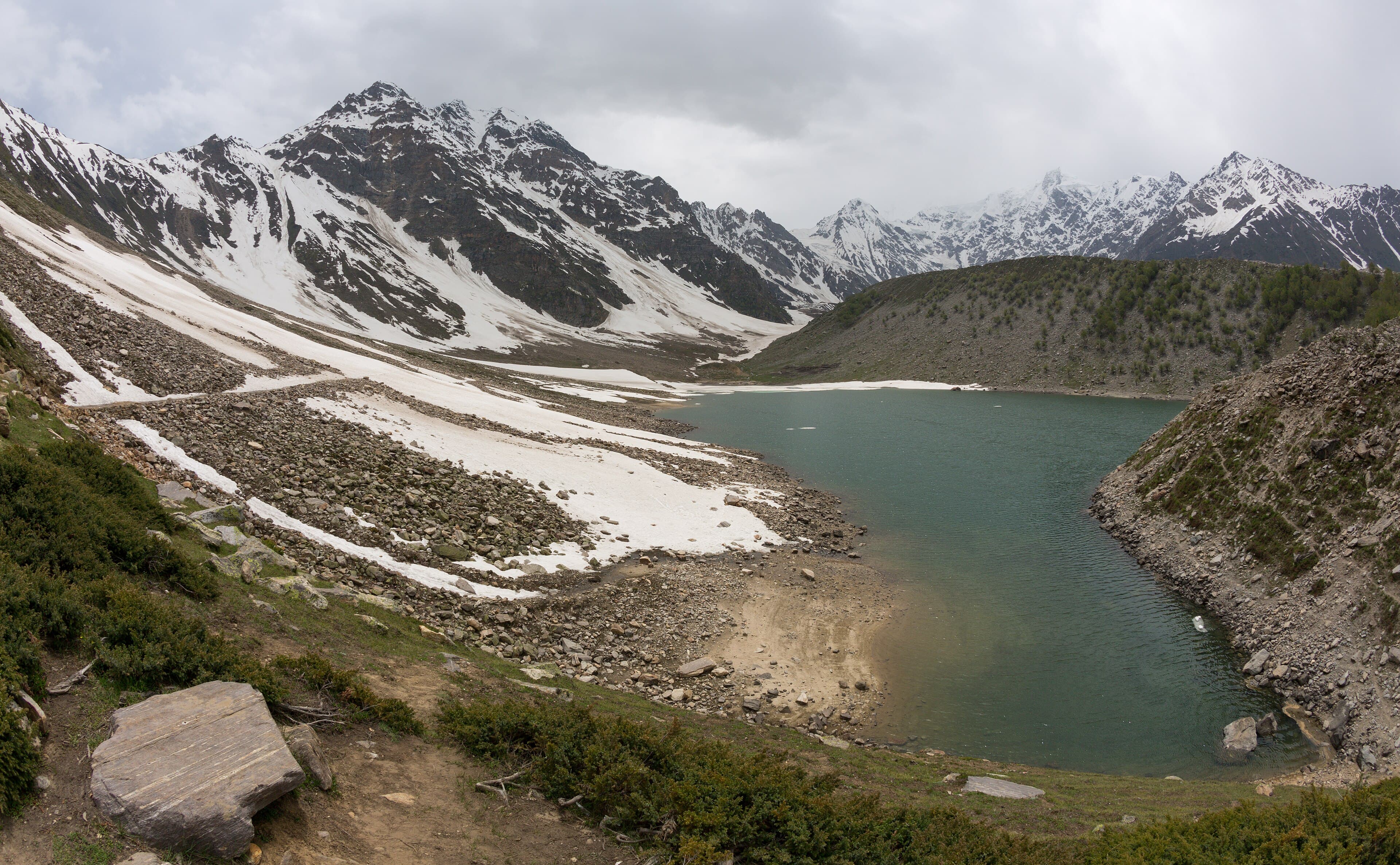
Stronger walkers shouldn't stop at the meadow: the trail continues through Beyal Camp to Nanga Parbat Base Camp, a rewarding full-day hike with climbers' memorials above the Raikot Glacier. Families and photographers, meanwhile, can happily fill two nights without walking further than the viewpoint knolls.
Tours featuring Fairy Meadows

Nearby & related places

Fairy Meadows — frequently asked questions

How difficult is the hike to Fairy Meadows?

The 5 km trail from Tattu village gains roughly 600 m and takes 2–3 hours at a relaxed pace. It's steady uphill but non-technical, and manageable for older children and anyone of reasonable fitness; ponies can carry those who prefer to ride.

Why is it called Fairy Meadows?

German climbers approaching Nanga Parbat in the 1930s named the pasture 'Märchenwiese' — fairy-tale meadow — for its storybook setting of grassland, pines and the giant Raikot face. The English translation became the standard name.

What accommodation is available at Fairy Meadows?

Wooden log cabins and huts run by local families, plus seasonal glamping tents and camping space. Rooms are simple — this is an off-grid alpine pasture — but warm bedding, hot food and generator or solar power are standard. Book ahead for June–September.

How many days do you need at Fairy Meadows?

Two nights is the sweet spot: arrive on day one, enjoy sunset and sunrise on the Raikot face, and use the full middle day either to relax or to hike toward Beyal Camp and Nanga Parbat Base Camp before descending on day three.

Is Fairy Meadows safe for tourists?

Yes — it is one of Pakistan's flagship tourist destinations, with a dedicated security check at Raikot Bridge and a steady flow of domestic and international visitors all season. The main practical cautions are the altitude and the cold at night, not security.

Start the conversation

Want Fairy Meadows on your itinerary?

Tell us your dates, interests and pace — we'll design a private itinerary with local guides, reliable 4x4s and hand-picked stays.