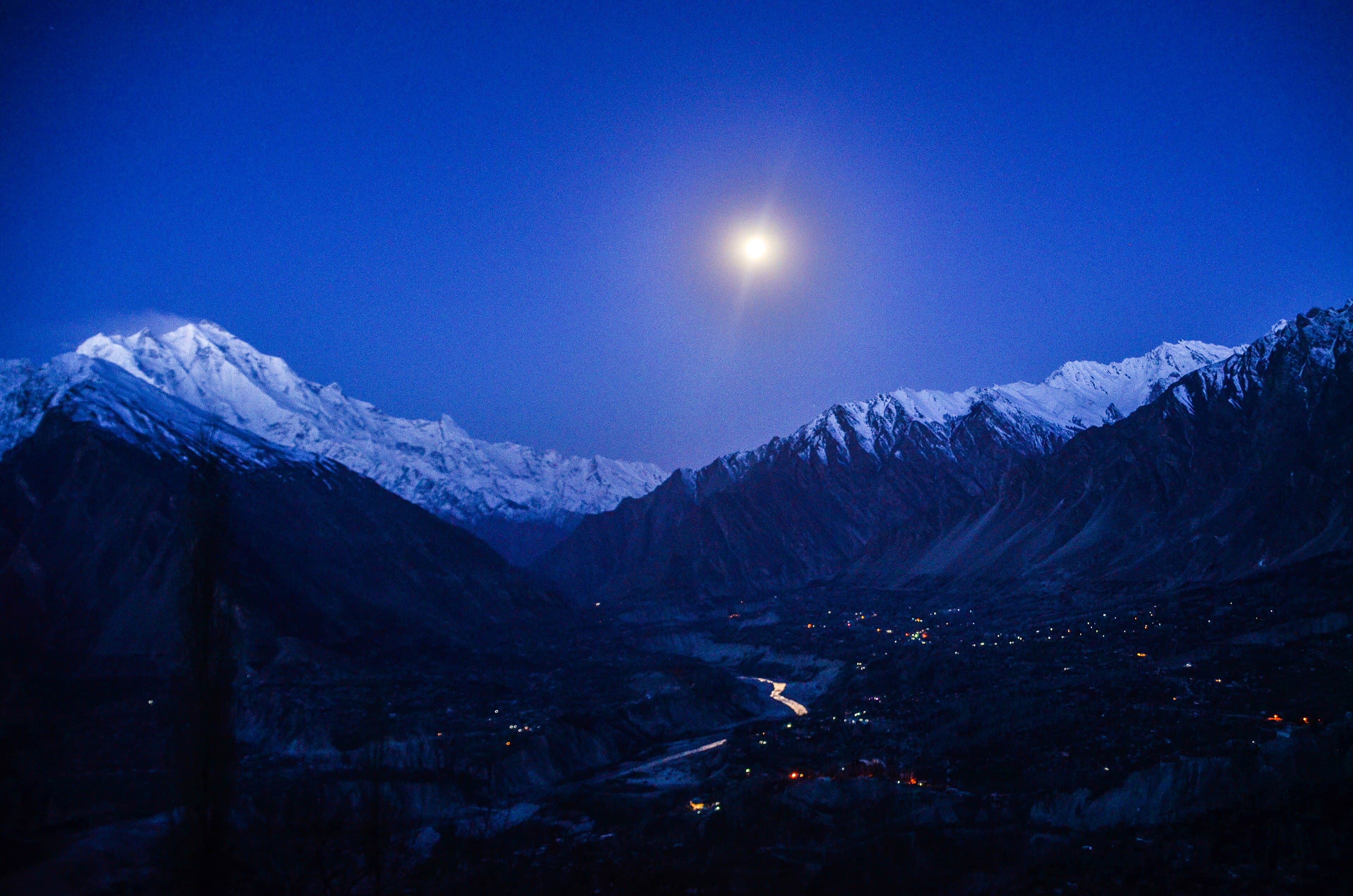
Hunza is the valley most travelers picture when they imagine northern Pakistan: terraced apricot orchards beneath 7,000-metre peaks, a thousand-year-old fort above a bazaar town, and a turquoise lake that swallowed a highway. It sits on the Karakoram Highway — often called the Eighth Wonder of the World — about 100 km north of Gilgit, and it has been welcoming Silk Road travelers for centuries.
The valley is famous for its hospitality and its longevity; the people of Hunza are among Pakistan's most educated communities, and English is widely spoken. For first-time visitors to Gilgit-Baltistan, Hunza is the easiest place to start: the roads are good, the hotels range from family guesthouses to boutique heritage stays, and every viewpoint seems to look at Rakaposhi, Ultar Sar or Ladyfinger Peak.
From the old kingdom capital at Karimabad you can day-trip to Attabad Lake, walk the Hussaini Suspension Bridge, watch the sunset from Eagle's Nest, and drive to the Khunjerab Pass — at 4,693 m the world's highest paved border crossing, where ibex and yaks graze beside the China border gate.
Places to visit in Hunza Valley
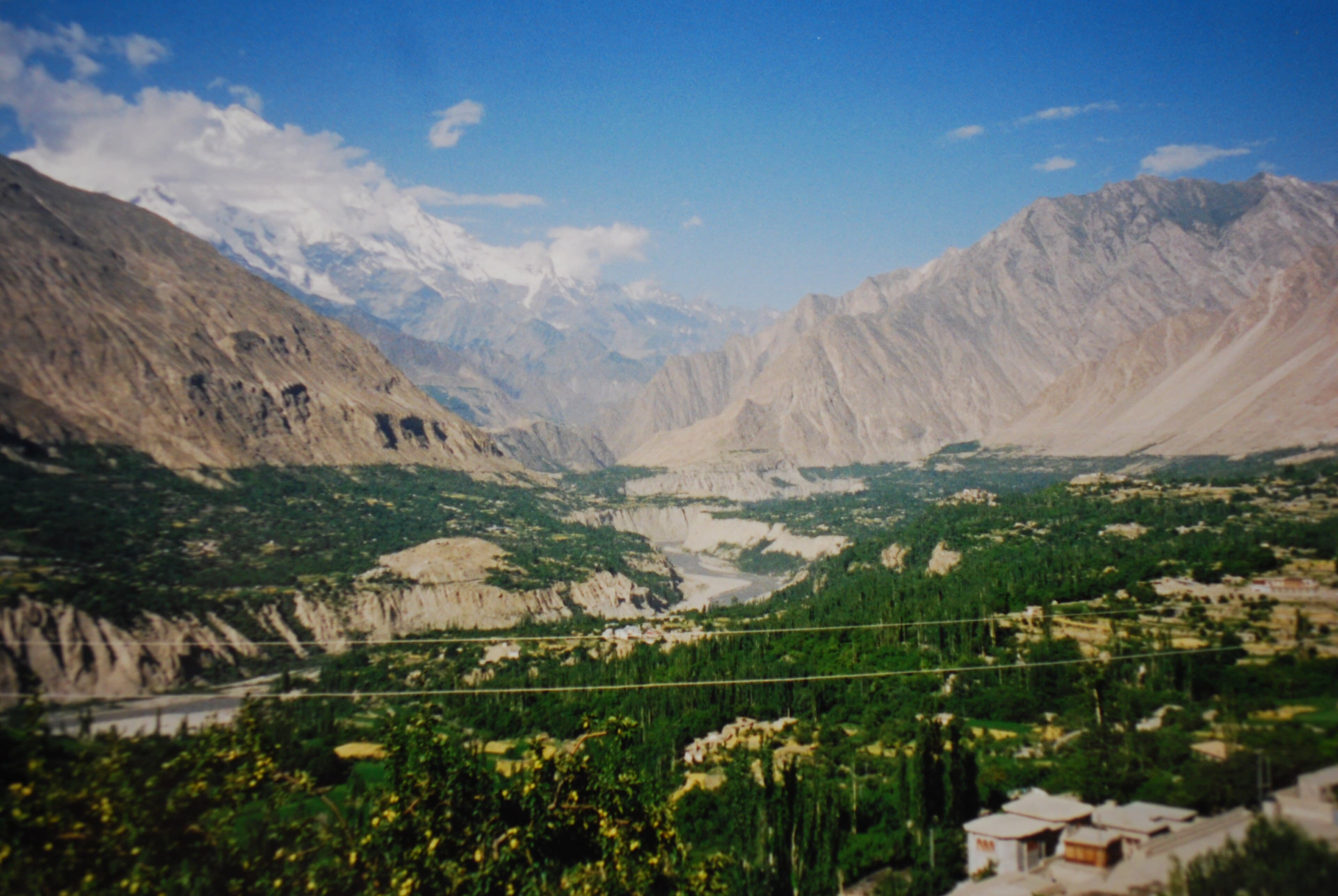
town · 2,450 m
Karimabad
The old royal capital and the heart of every Hunza itinerary
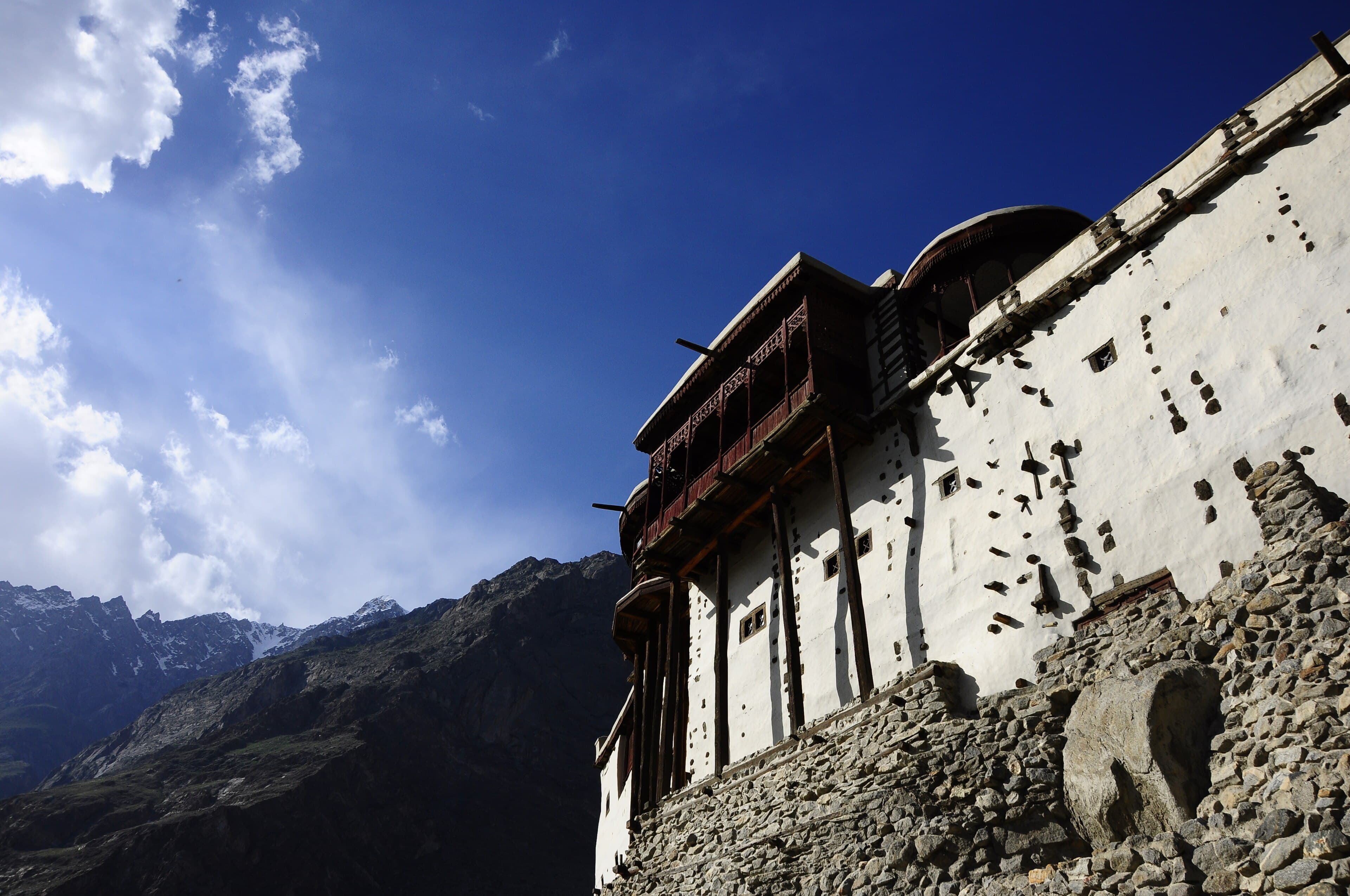
fort · 2,500 m
Baltit Fort
Seven hundred years of Hunza history above the Karimabad bazaar
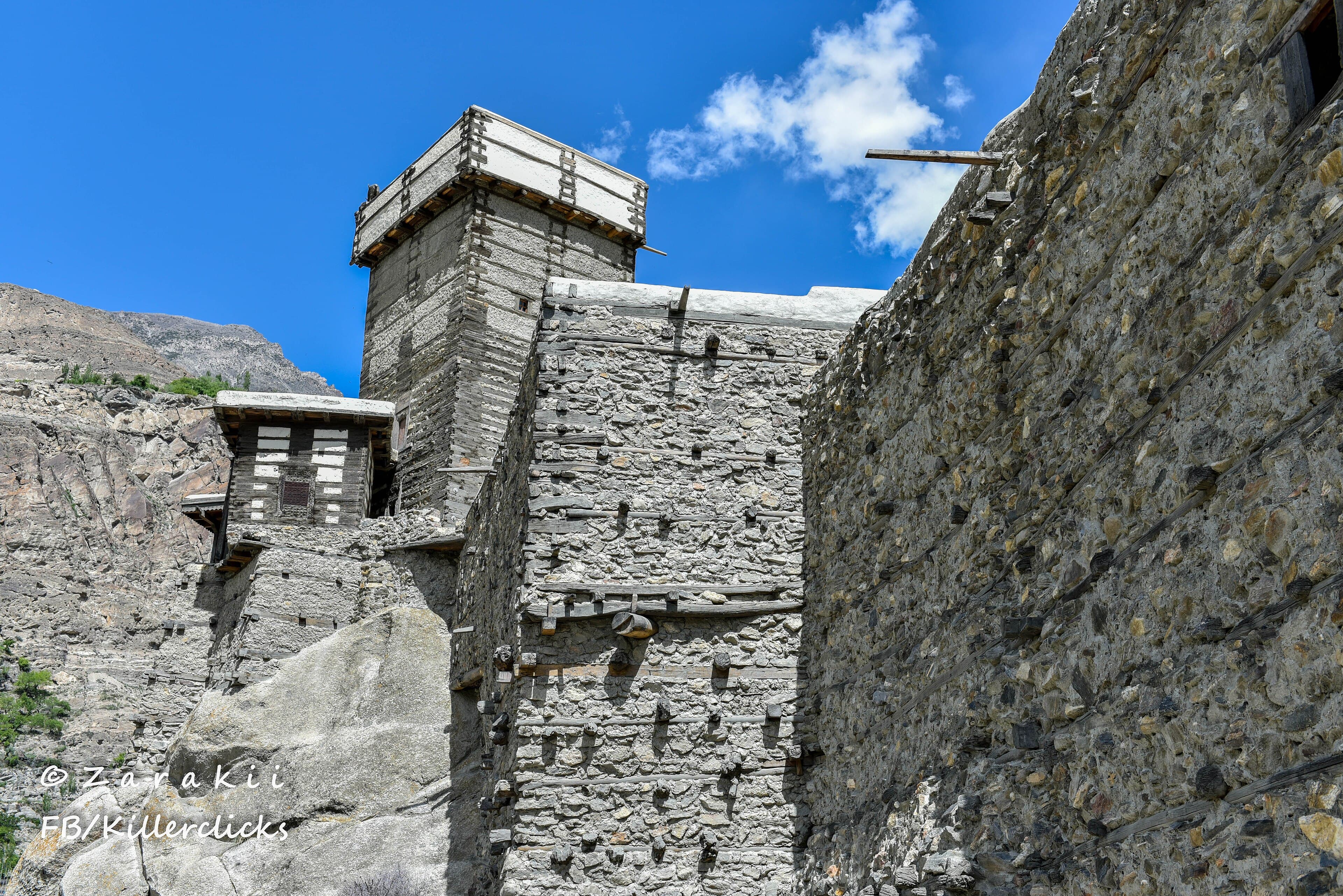
fort · 2,400 m
Altit Fort
The cradle of the Hunza kingdom, on a cliff above the river
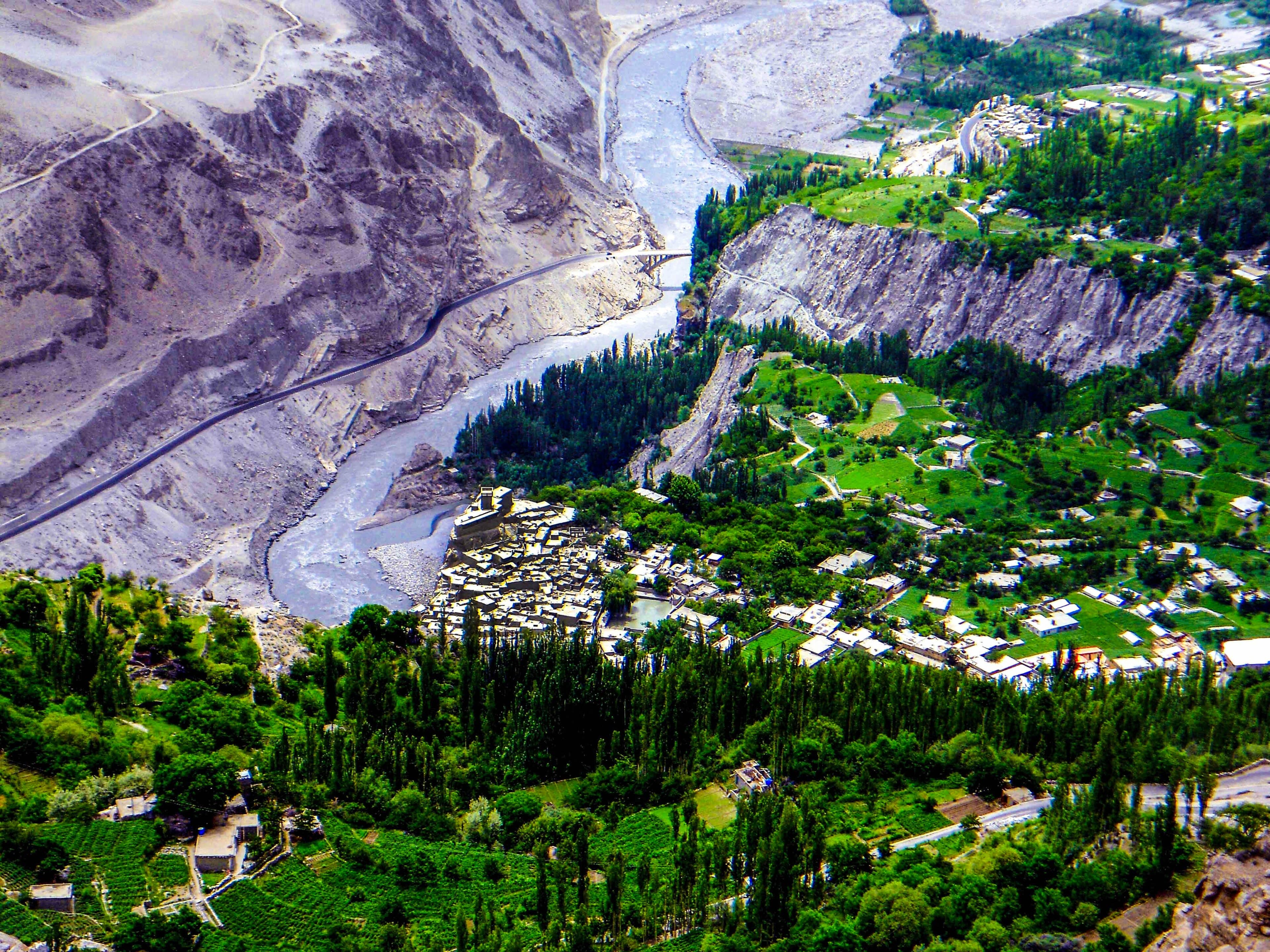
valley · 2,850 m
Eagle's Nest (Duikar)
The viewpoint where all of Hunza's giants line up at golden hour
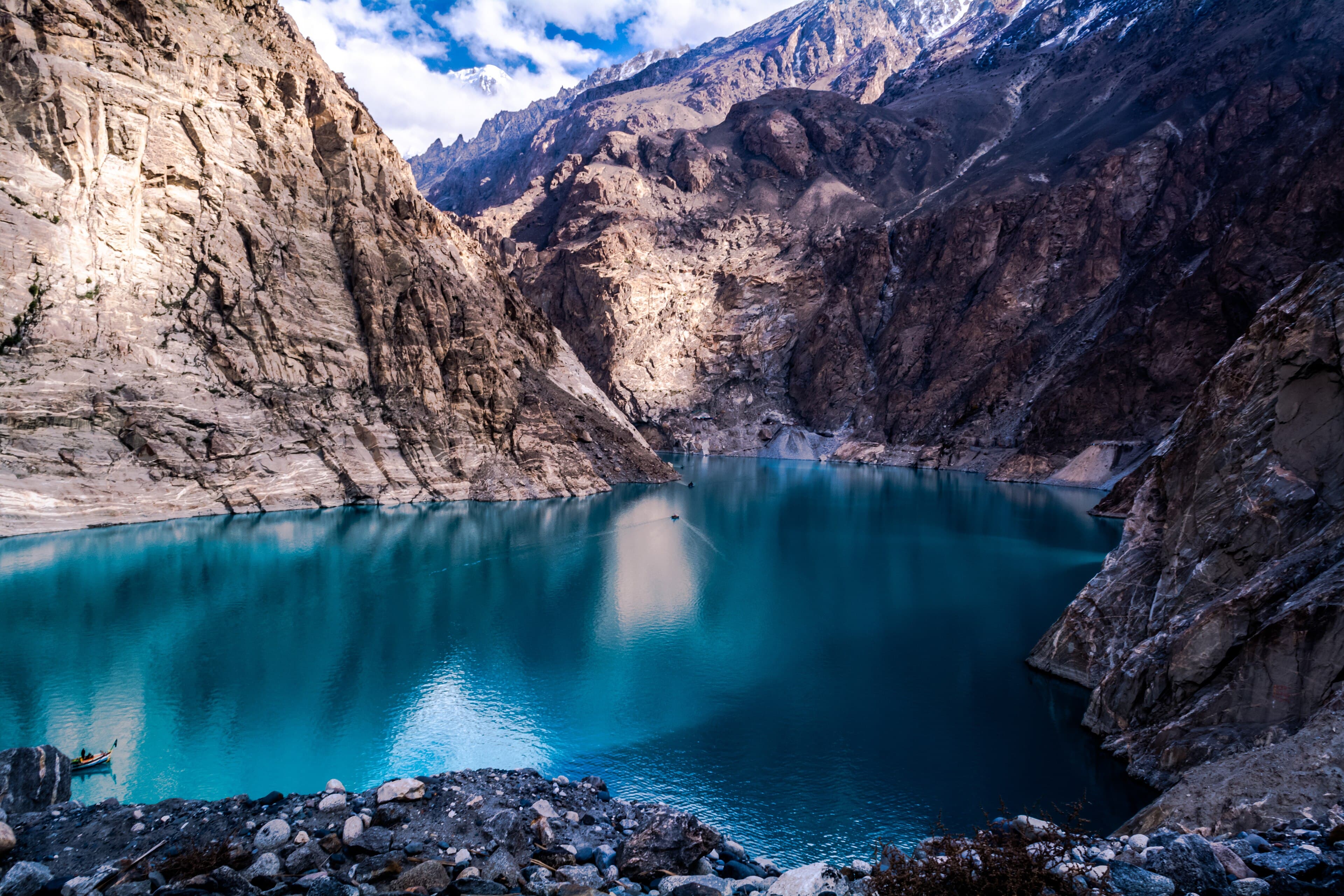
lake · 2,550 m
Attabad Lake
A disaster that became one of Pakistan's most beautiful places
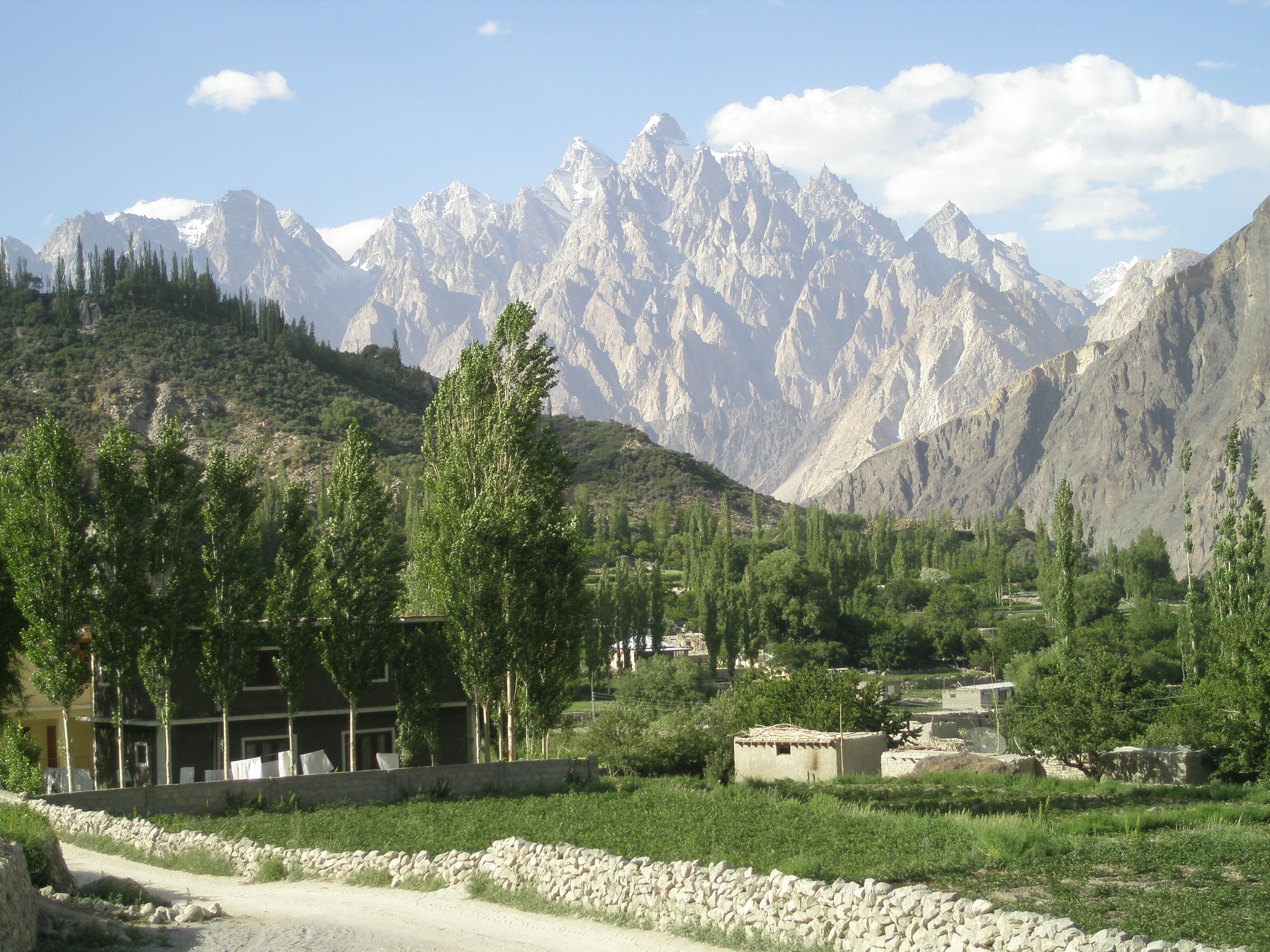
town · 2,500 m
Gulmit
Upper Hunza's old capital, where Wakhi culture meets the Cones
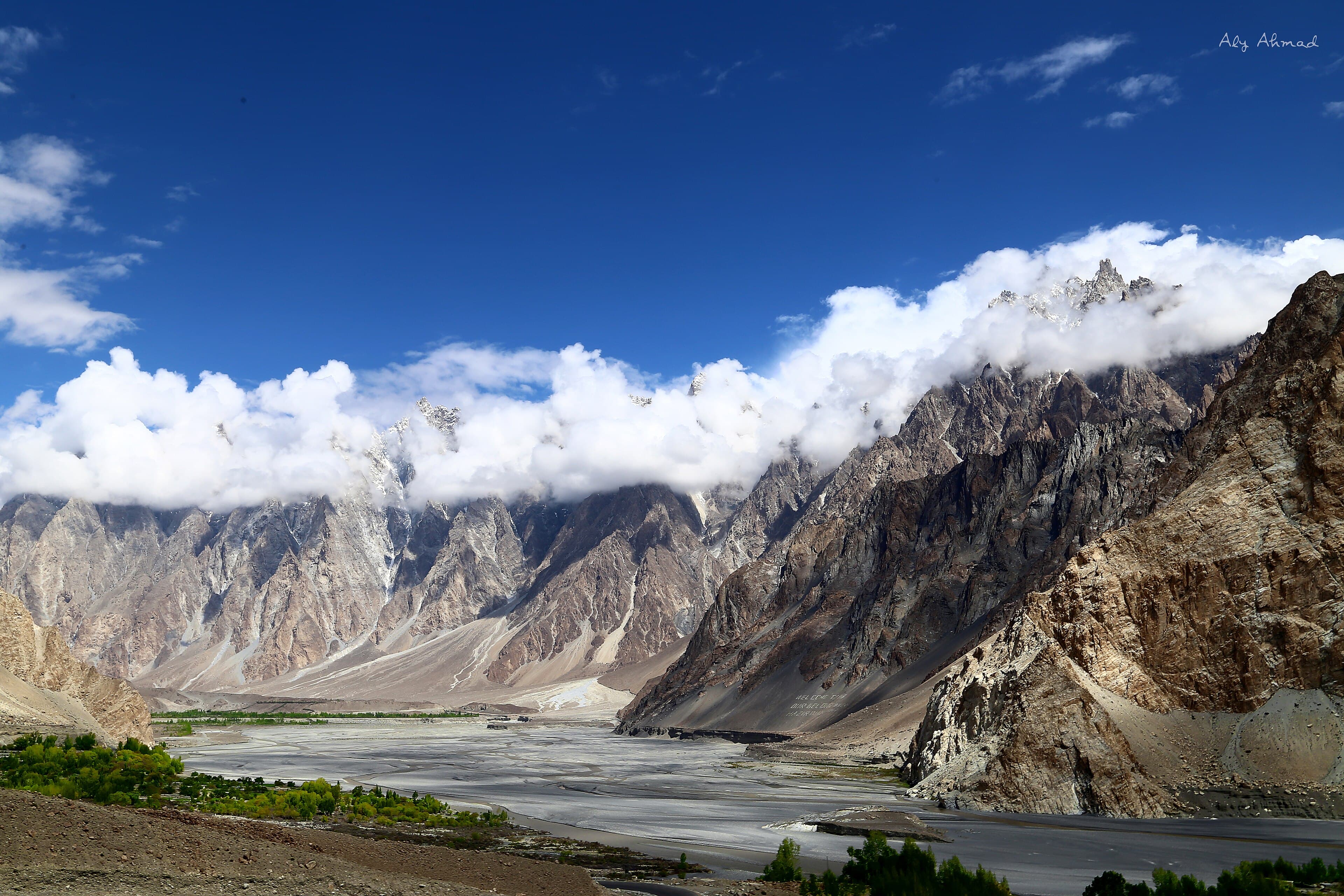
peak · 6,106 m
Passu Cones
The jagged cathedral skyline that defines the Karakoram Highway
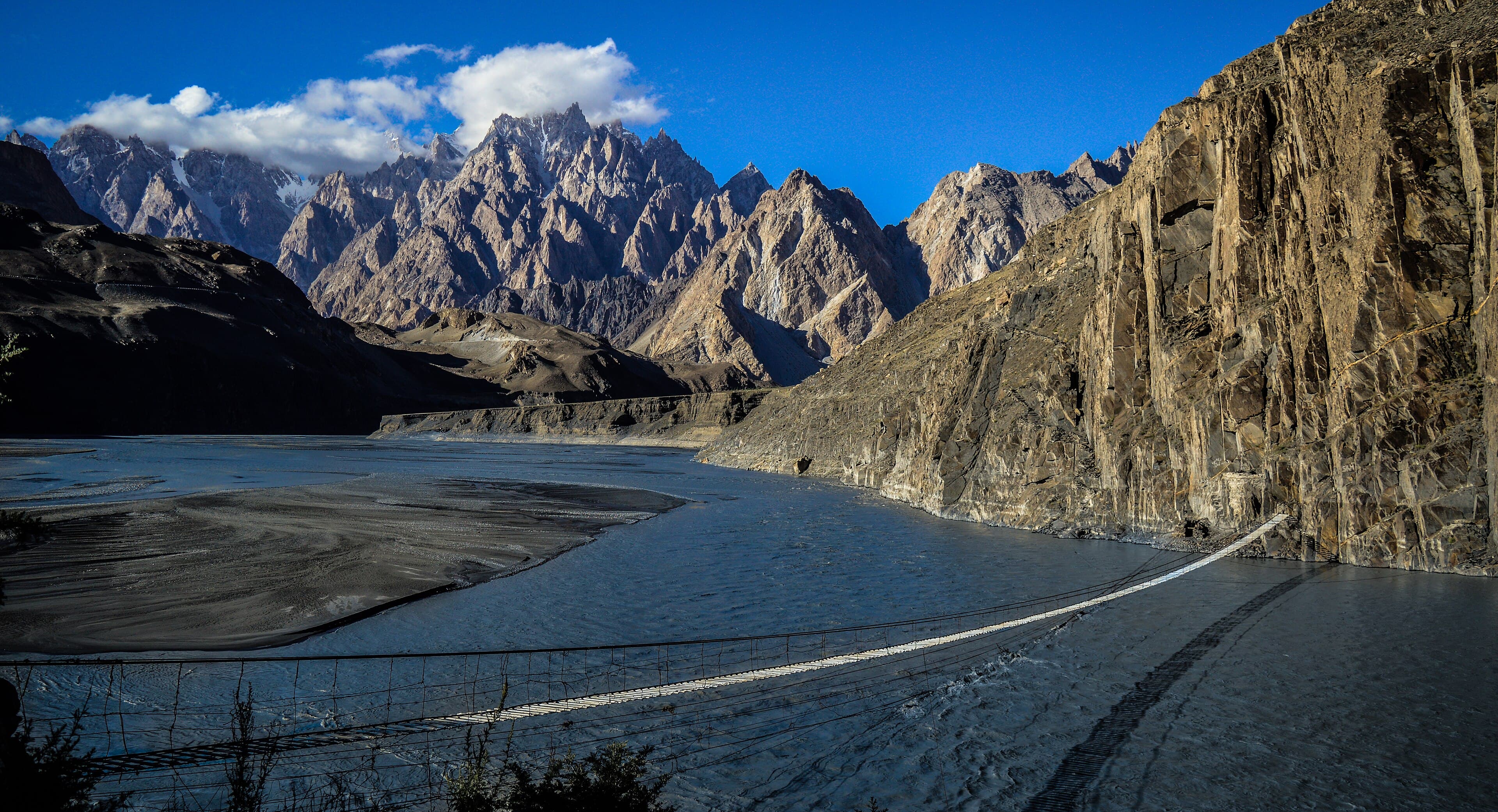
bridge · 2,550 m
Hussaini Suspension Bridge
The plank-and-cable crossing that made upper Hunza internet-famous
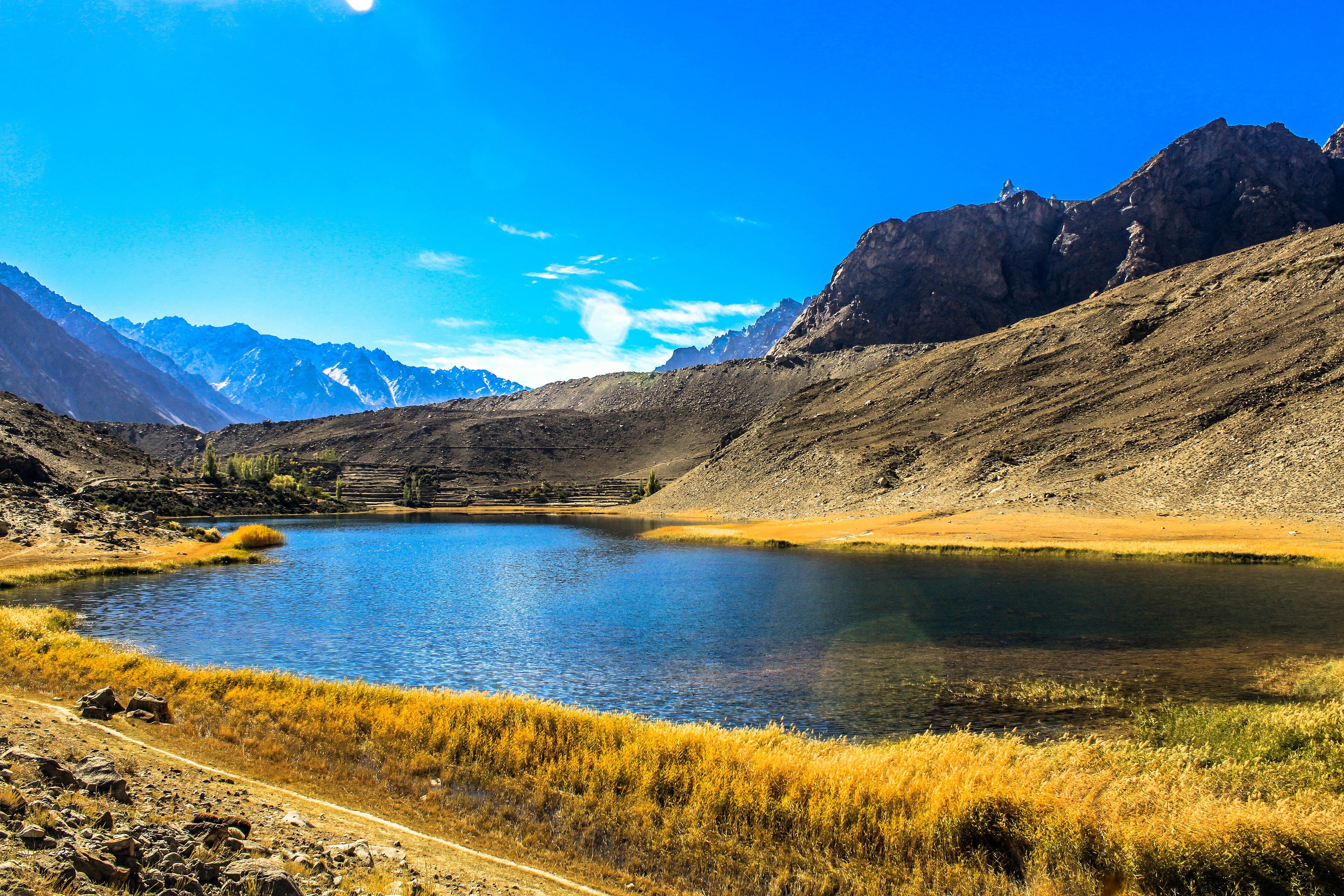
lake · 2,600 m
Borith Lake
A hushed bowl of water between two glaciers, loved by birds and hikers
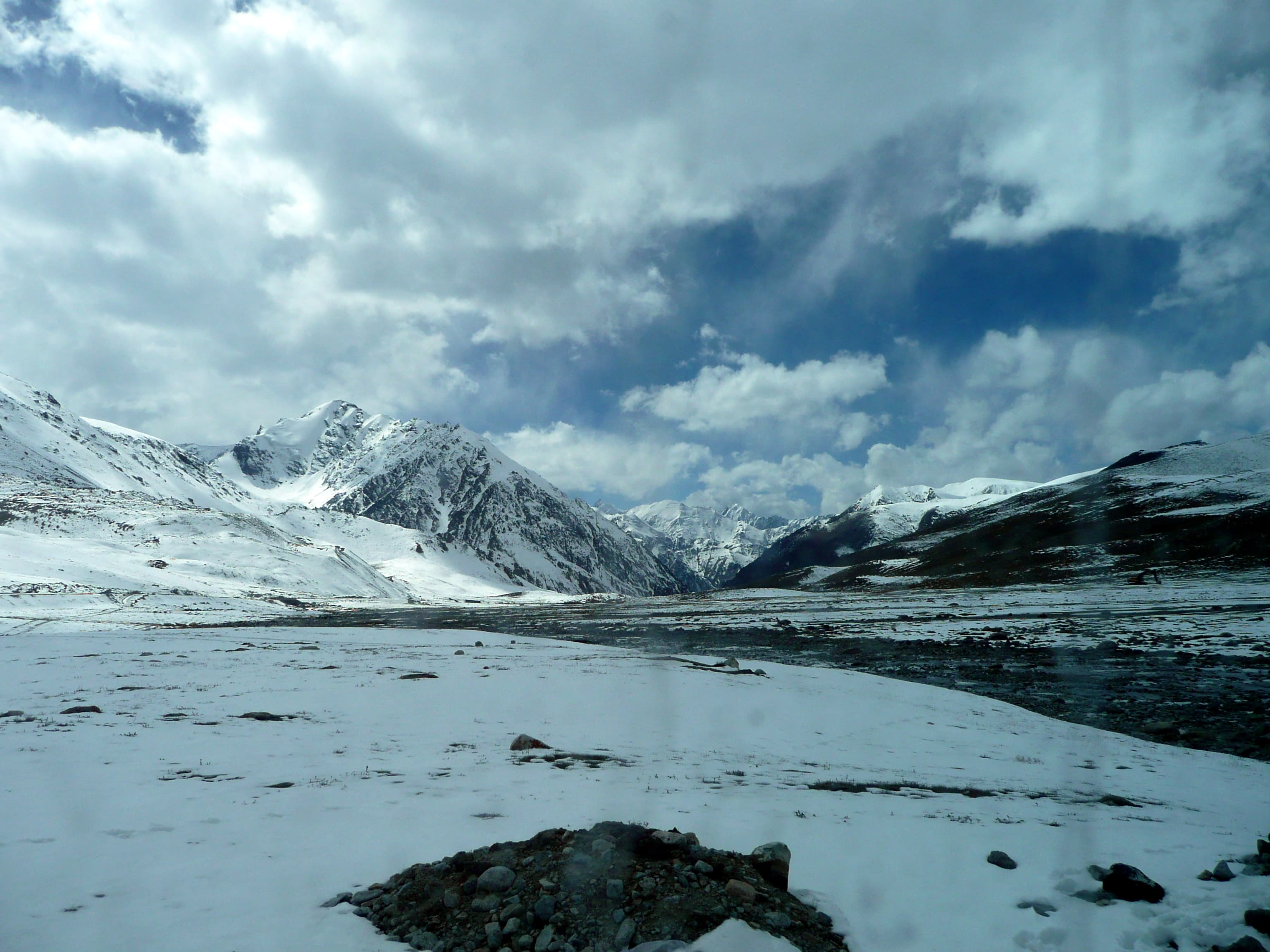
pass · 4,693 m
Khunjerab Pass
Drive to 4,693 m and stand at the China border gate
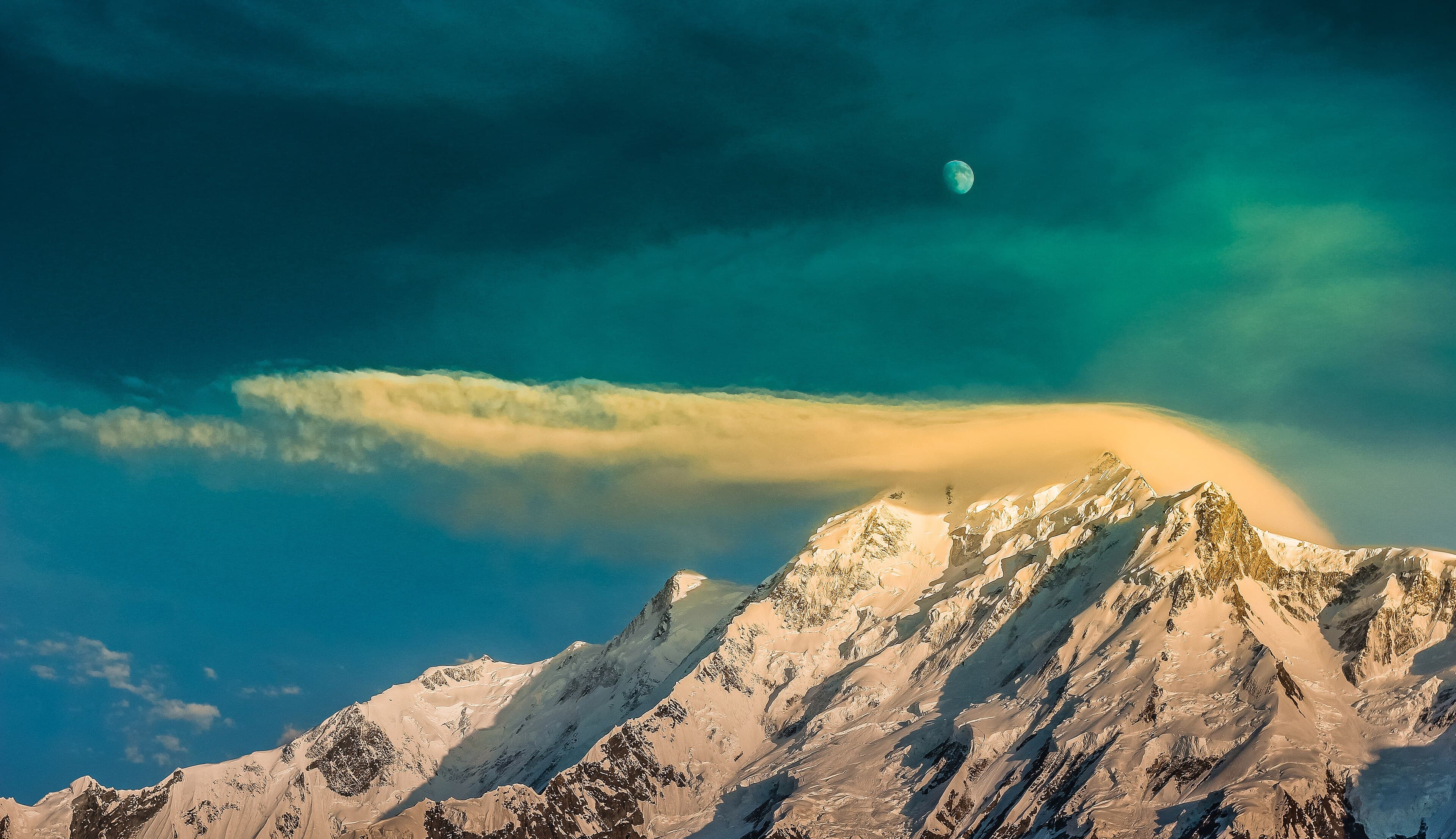
trek · 3,500 m
Rakaposhi Base Camp
Two days' walking to a meadow beneath a 7,788-metre wall of ice
glacier · 2,700 m
Hopper Glacier
A churning river of ice at the end of a half-day drive from Karimabad
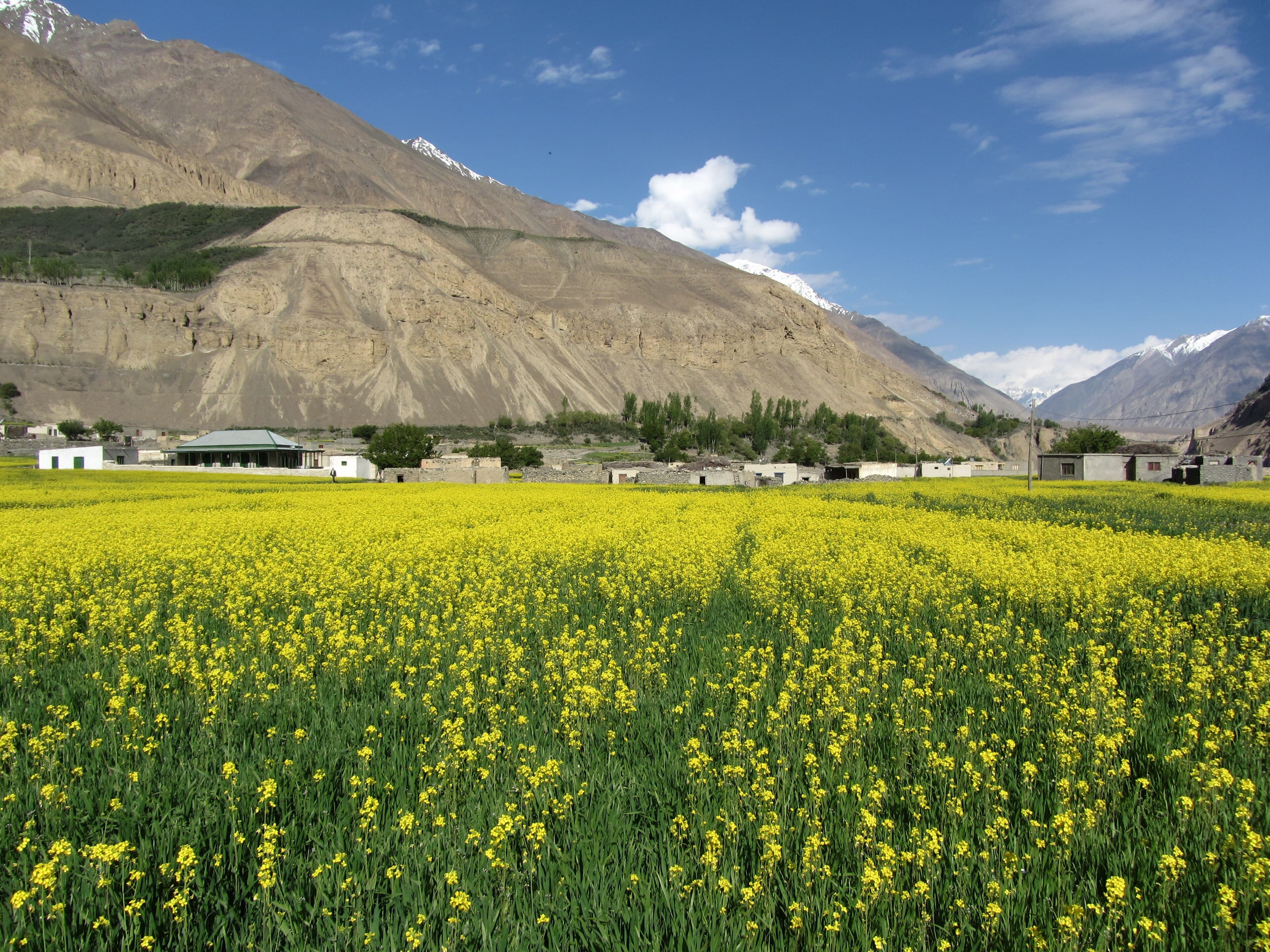
valley · 3,100 m
Shimshal Valley
The valley of mountaineers at the end of Pakistan's wildest road
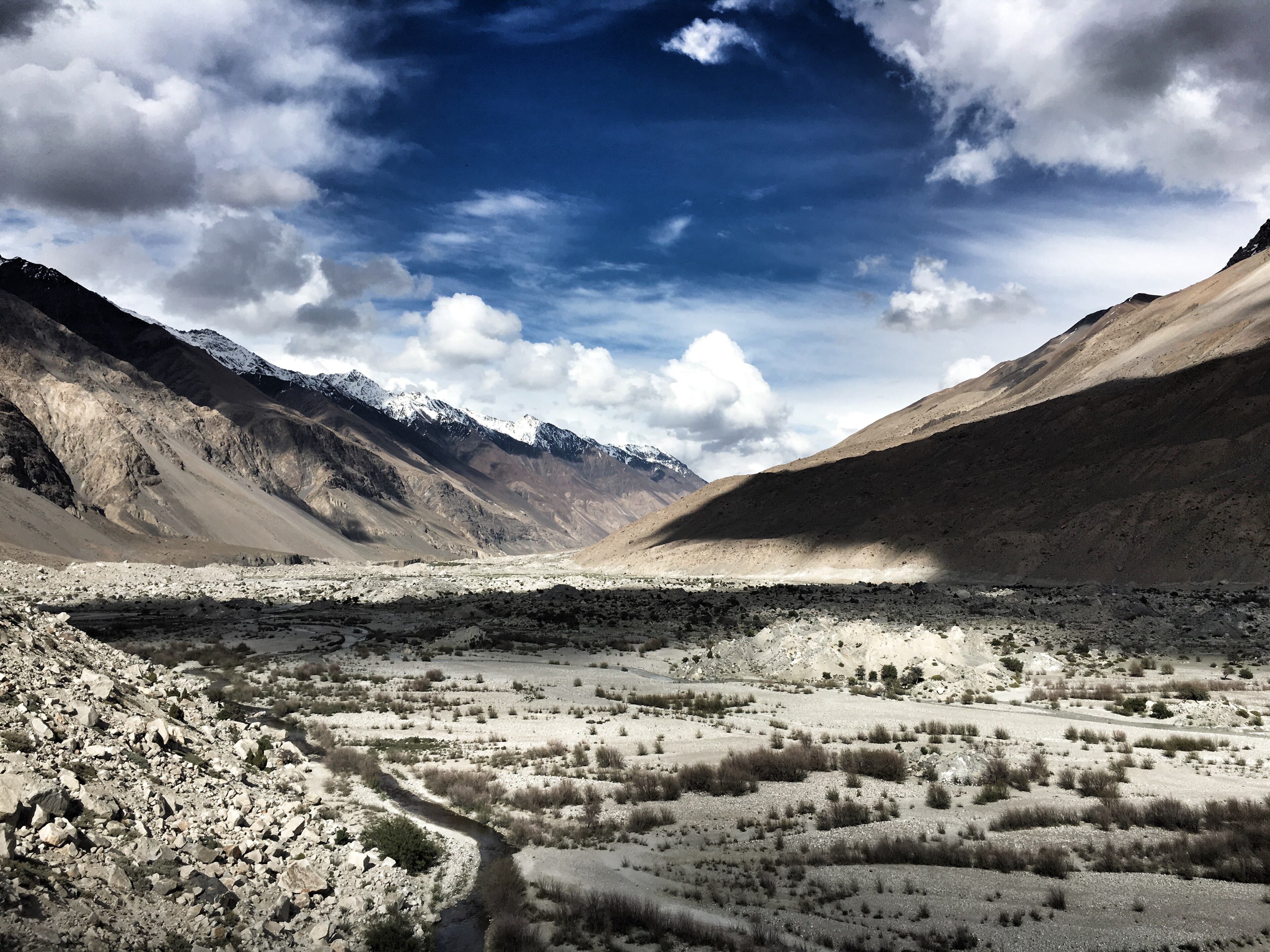
valley · 3,300 m
Chapursan Valley
The last valley of Pakistan, where the road runs toward the Wakhan
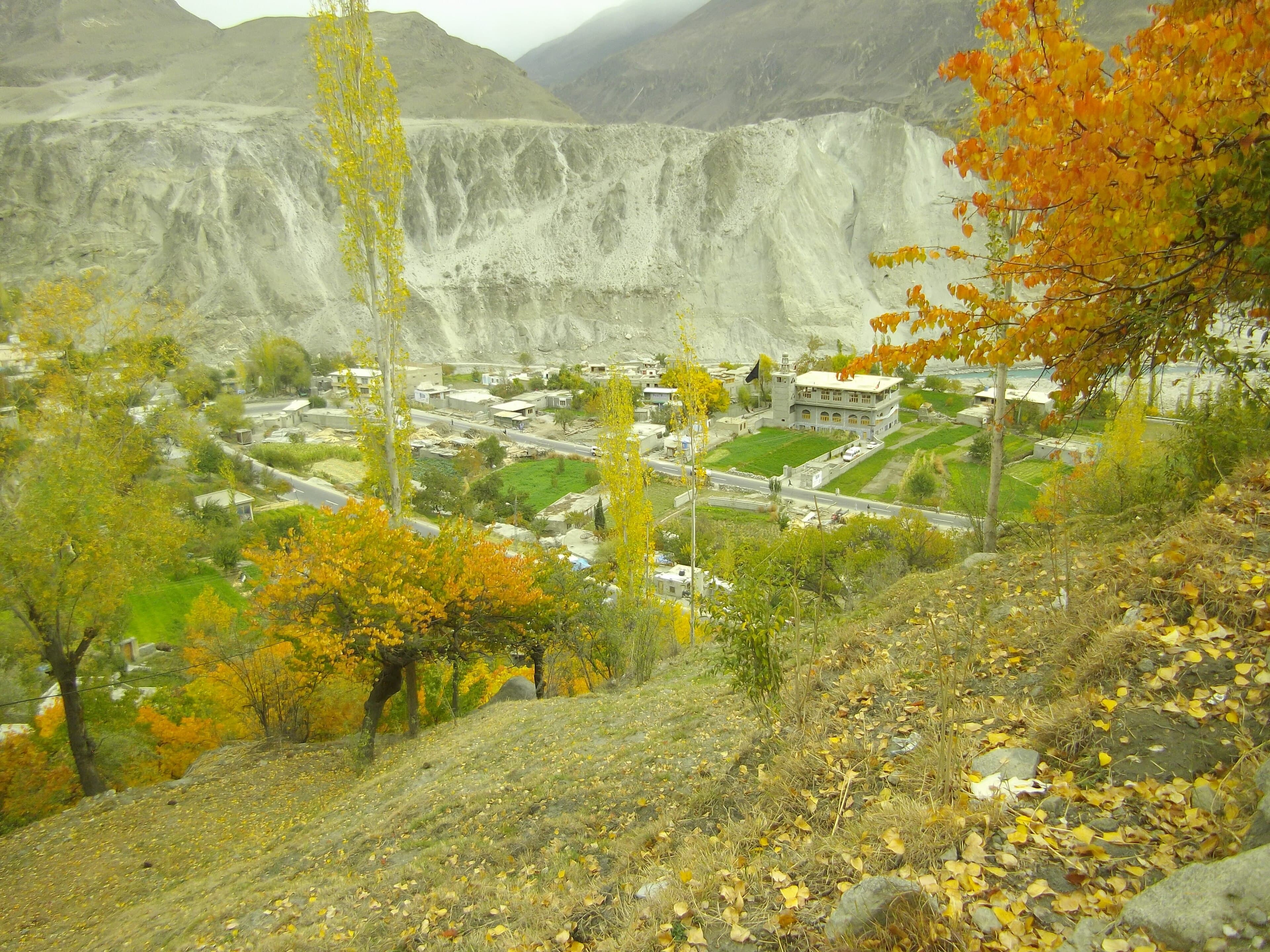
town
Ganish Village
A thousand years of Silk Road history around a quiet village pond
Tours that visit Hunza Valley
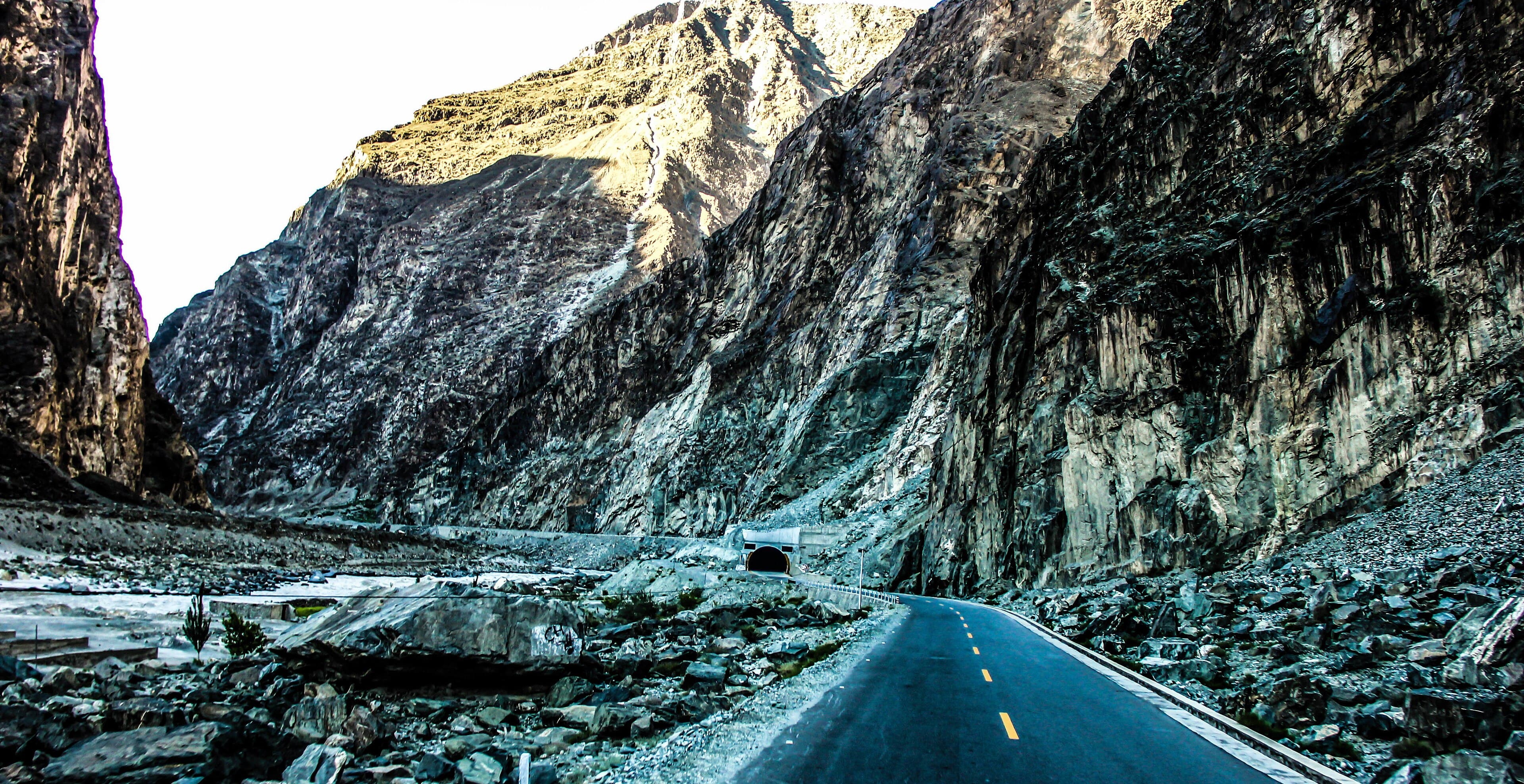
Hunza Explorer
from $950The classic first taste of the Karakoram, done properly
Grand Gilgit-Baltistan Circuit
from $2,200One road trip, every face of the Karakoram and Himalaya
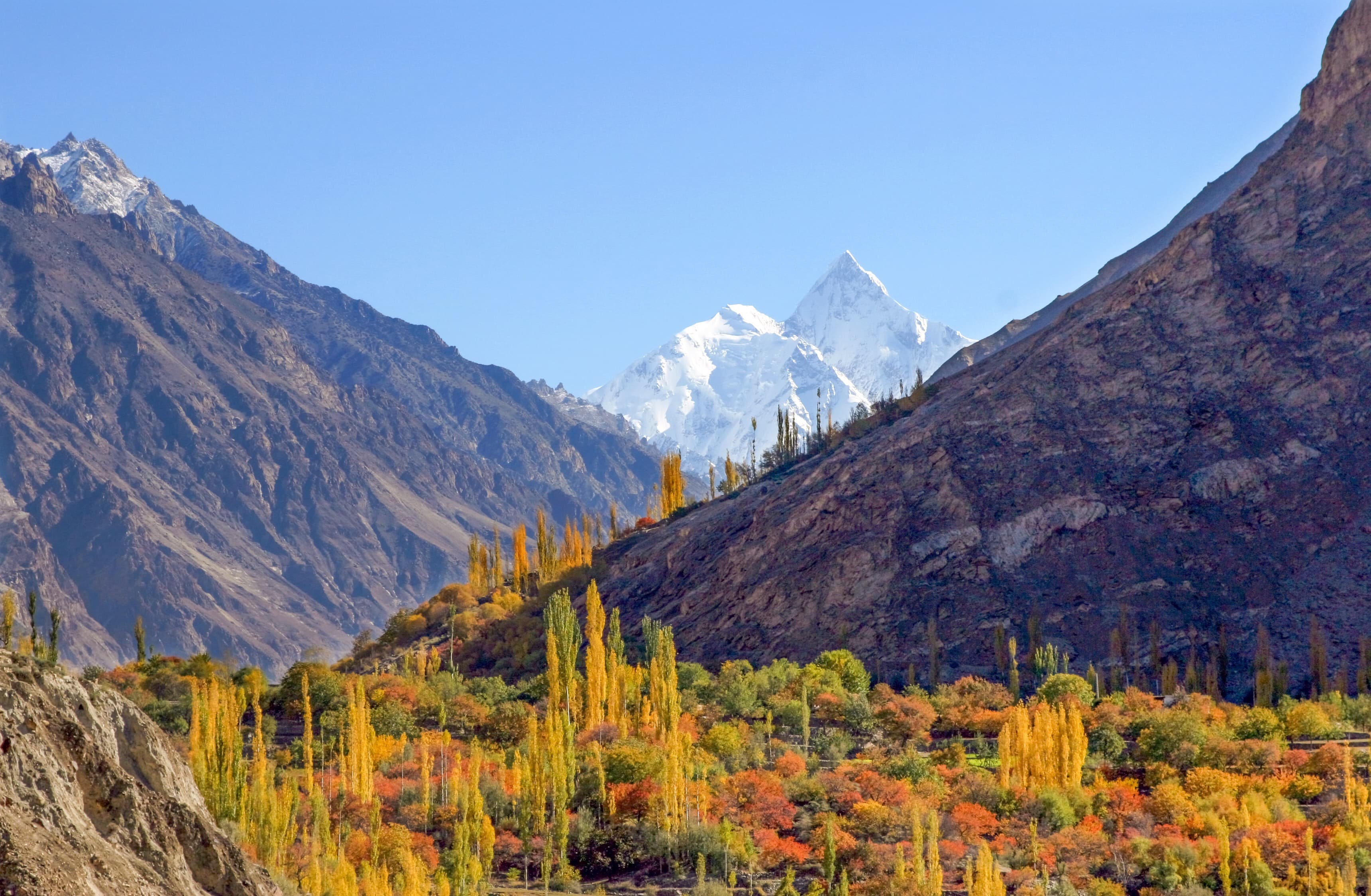
Autumn Colours Photography Tour
from $1,650Late October, when the Karakoram turns to gold
Hunza Valley — frequently asked questions
Is Hunza Valley safe for foreign tourists?
Yes. Hunza is one of the safest regions in Pakistan, with very low crime and a long tradition of hosting international travelers. Solo female travelers regularly report feeling safer in Hunza than in many European cities. Standard travel precautions apply, and our guides accompany you throughout.
How many days do I need in Hunza?
A comfortable minimum is 3 full days: one for Karimabad, Baltit and Altit Forts, one for Attabad Lake, Gulmit, Hussaini Bridge and Passu, and one for the Khunjerab Pass day trip. Add days for hikes such as Rakaposhi Base Camp or Patundas.
Do I need a permit to visit Hunza or the Khunjerab Pass?
No special permit is required for Hunza or Khunjerab Pass for foreign tourists — just your passport and Pakistani visa. Your passport is checked at routine checkpoints along the Karakoram Highway; we handle the formalities on tour.
Start the conversation
Ready to see Hunza Valley for yourself?
Tell us your dates, interests and pace — we'll design a private itinerary with local guides, reliable 4x4s and hand-picked stays.