Culture and history lovers
Culture & History
A thousand years of Silk Road memory, still inhabited
Long before the Karakoram Highway, these valleys were threaded by Silk Road branches carrying traders, pilgrims and ideas between Central Asia, China and the subcontinent. The evidence is everywhere: Buddhist rock carvings near Gilgit and Skardu, Tibetan-rooted Balti spoken in Khaplu's lanes, and fortress architecture that blends Kashmiri, Tibetan and Central Asian styles in ways found nowhere else on earth.
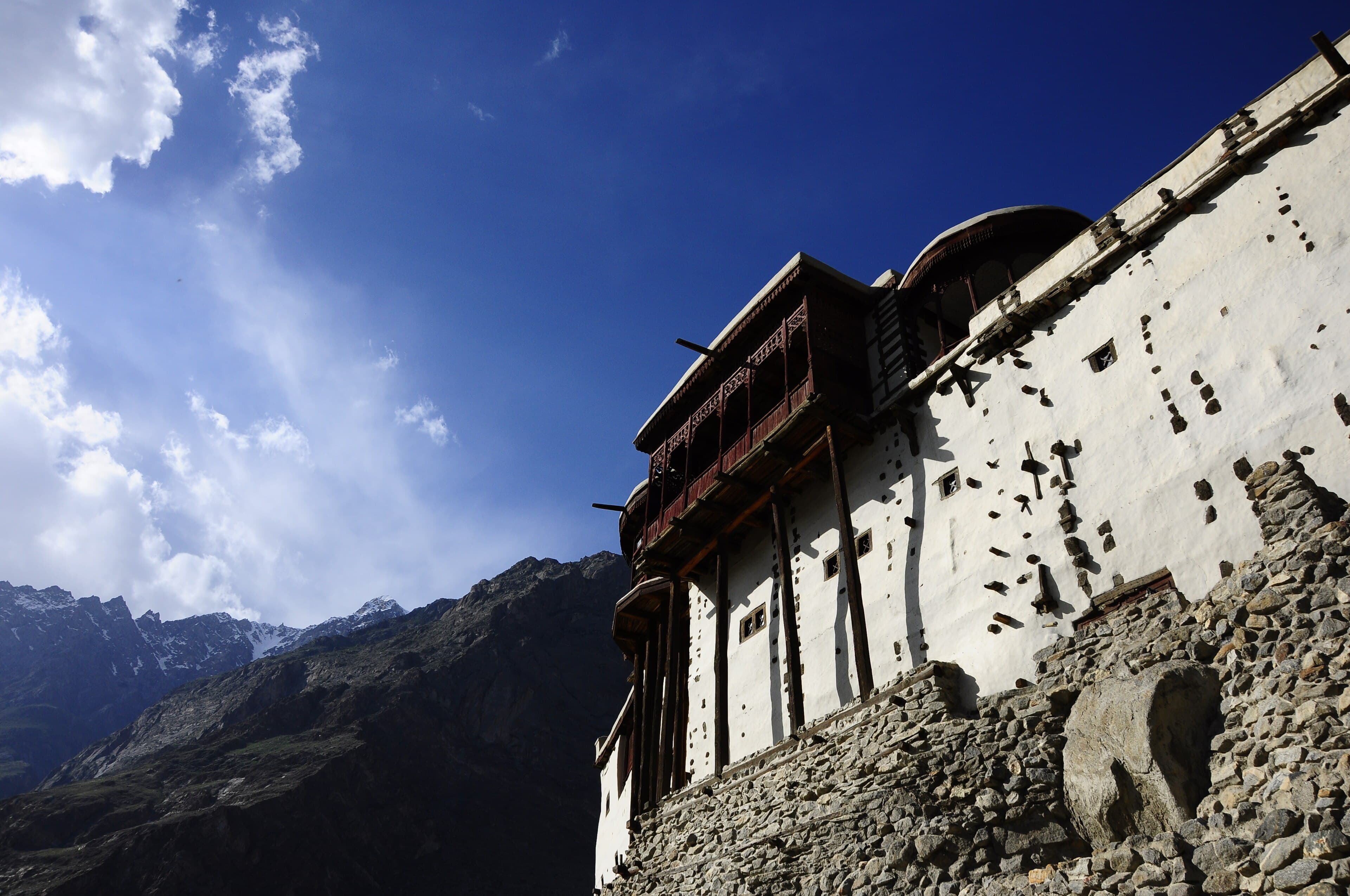
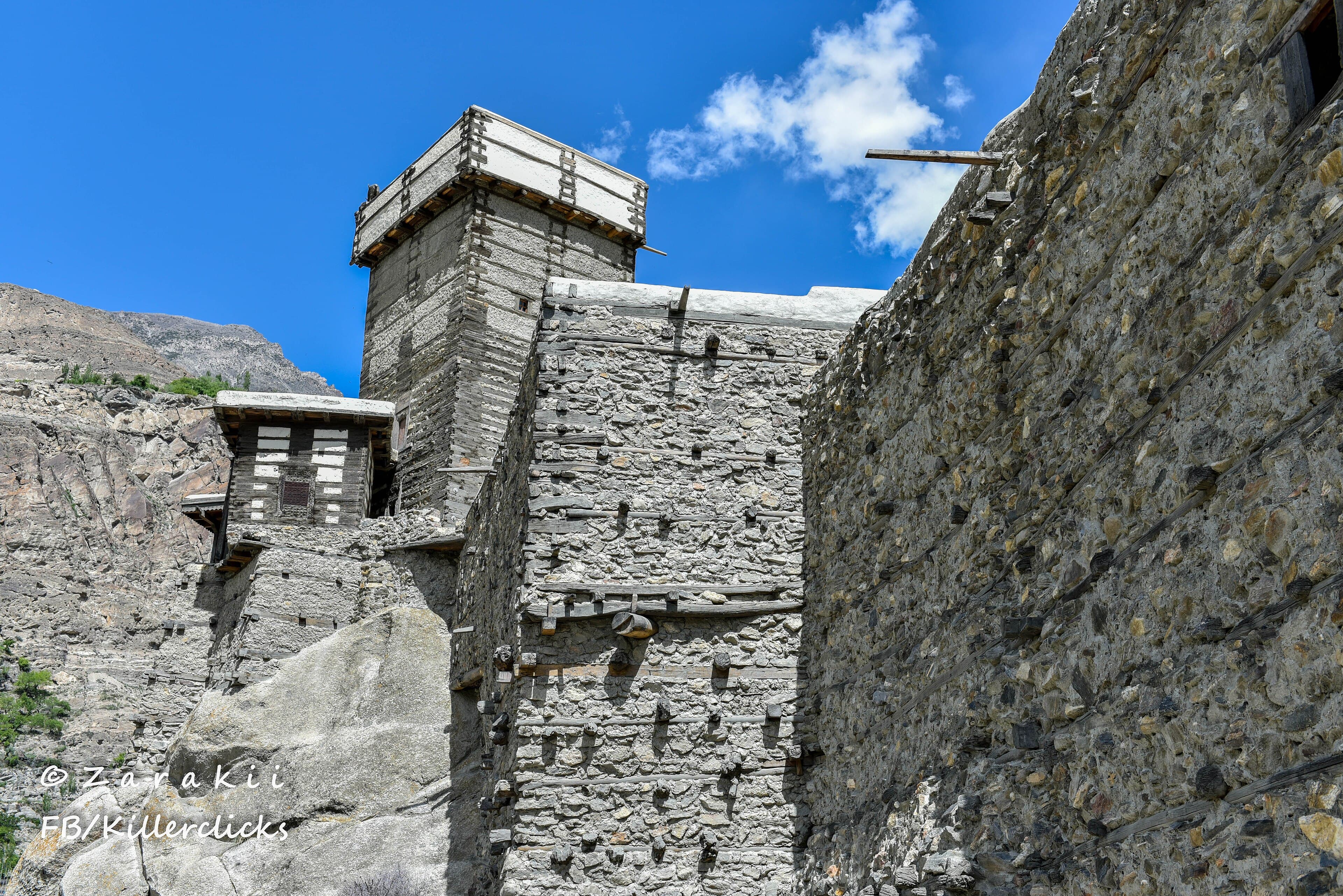
Hunza's twin forts tell the story best. Baltit Fort, around 700 years old, rises above Karimabad on stone foundations its builders are said to have modelled after Lhasa traditions brought by a Balti princess's craftsmen; Altit Fort, older still at over 900 years, guards a sheer cliff above the Hunza River with the kingdom's original watchtower. Both have been meticulously restored by the Aga Khan Trust for Culture and now house museums, while the old villages at their feet remain fully lived-in.
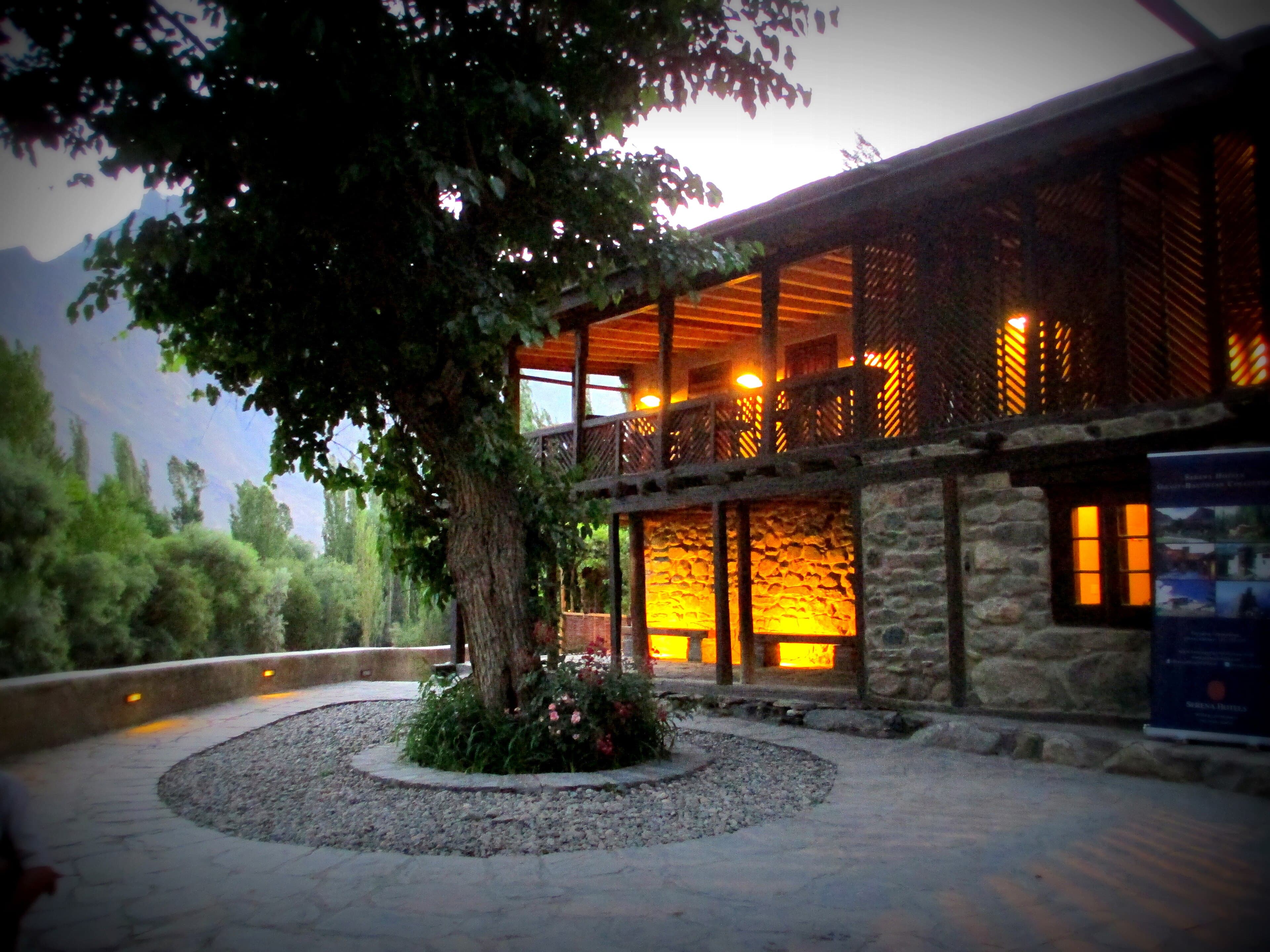
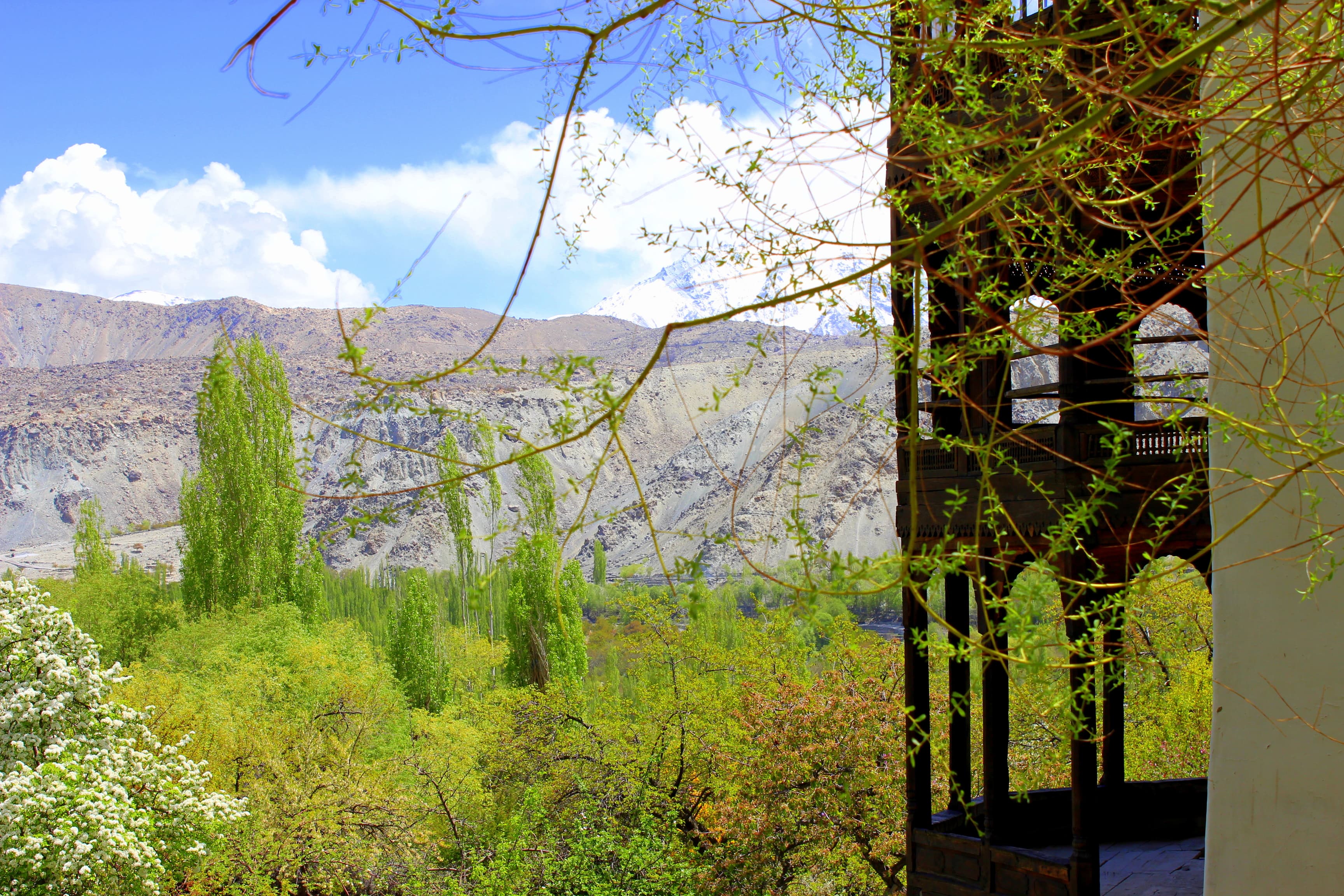
Baltistan answers with royal architecture of its own: the 17th-century Shigar Fort, rebuilt as a heritage hotel and museum around a 400-year-old raja's residence, and Khaplu Palace, the finest surviving example of a Balti royal house, alongside centuries-old carved wooden mosques and khanqahs. Between the monuments runs the living culture — Wakhi songs in upper Hunza, Balti polo and folk dance, and orchards whose apricot harvest in July and August still sets the rhythm of village life.
Time a visit to a festival and the valleys come alive: the Shandur Polo Festival each July, when Gilgit and Chitral teams clash on the world's highest polo ground at 3,700 m, or Hunza's Ginani harvest celebration in June, when the first wheat is cut with music, communal feasting and blessings led by village elders. These aren't performances staged for visitors — you are simply welcomed into them.
What this experience includes
Baltit and Altit forts with the old villages
Guided visits through Hunza's 700- and 900-year-old forts and the lanes beneath them, including Altit's Royal Garden — restoration projects that won UNESCO Asia-Pacific heritage awards and revived local crafts.
Balti royal heritage at Shigar and Khaplu
Tour — or sleep inside — Shigar Fort and Khaplu Palace, then seek out the carved wooden mosques and khanqahs of the surrounding villages, some among the oldest Islamic buildings in the region.
Silk Road and rock-art trails
Trace the old trade arteries along the Hunza and Indus rivers, where Buddhist-era carvings and inscriptions left by travelers mark the routes that linked Kashgar to Kashmir for a millennium.
Wakhi and Balti music evenings
Sit in on traditional music sessions — Wakhi songs with rubab and flute in Gulmit, Balti folk performance in Khaplu — arranged with village musicians rather than staged hotel shows.
Apricot harvest immersion
In July and August, join families drying apricots on rooftops and pressing kernel oil — Hunza's signature crop and the heart of its food culture, with tastings from orchard to kitchen.
Festival departures: Shandur polo and Ginani
Timed itineraries for the Shandur Polo Festival on the world's highest polo ground each July, or Hunza's Ginani wheat-harvest festival in June — music, sport and ritual at their authentic source.
Where we take you
fort · 2,500 m
Baltit Fort
Seven hundred years of Hunza history above the Karimabad bazaar
fort · 2,400 m
Altit Fort
The cradle of the Hunza kingdom, on a cliff above the river
valley · 2,300 m
Shigar Valley
Sleep in a raja's fort on the road to K2
valley · 2,600 m
Khaplu Valley
A royal palace and a 700-year-old mosque at the end of the road east
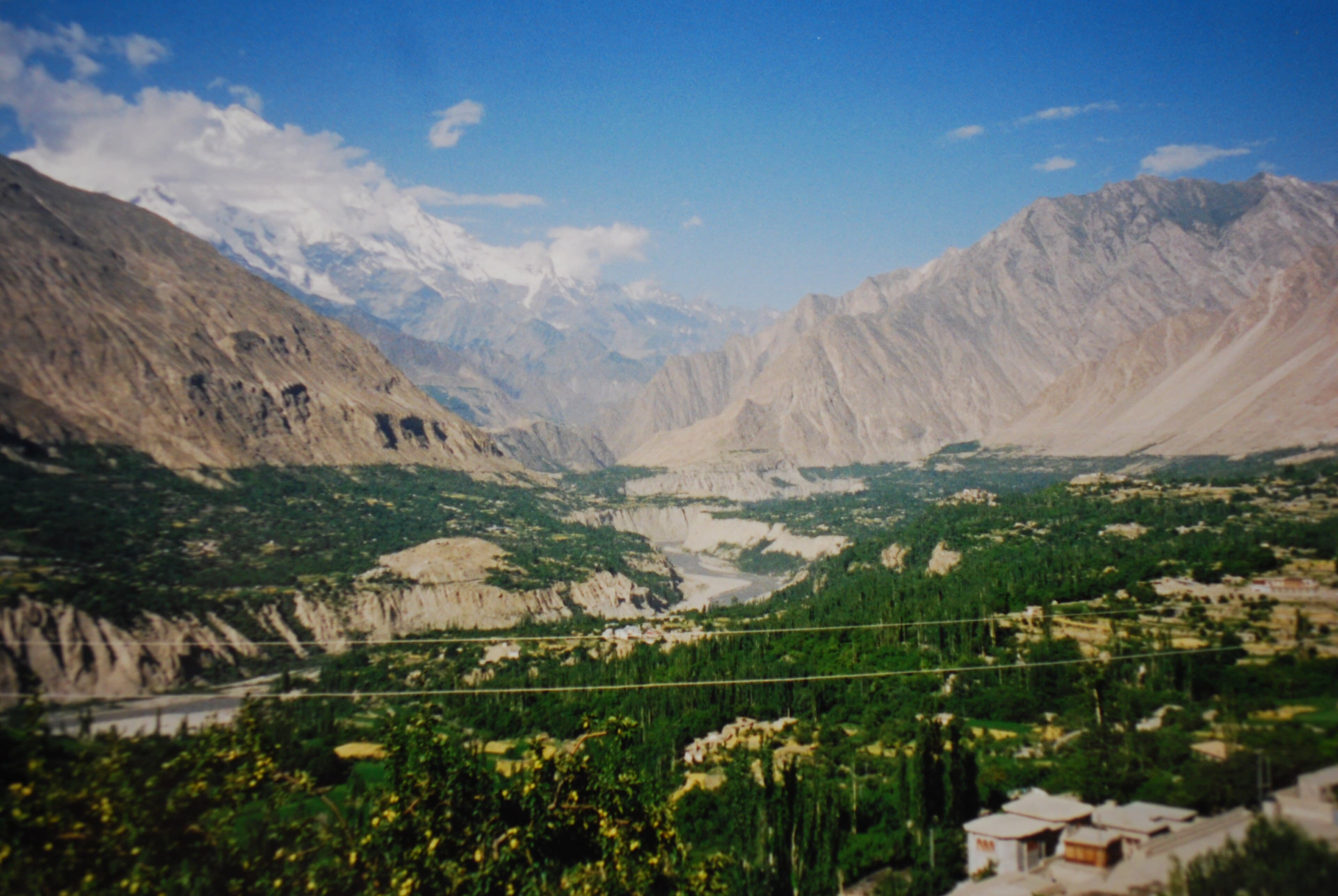
town · 2,450 m
Karimabad
The old royal capital and the heart of every Hunza itinerary
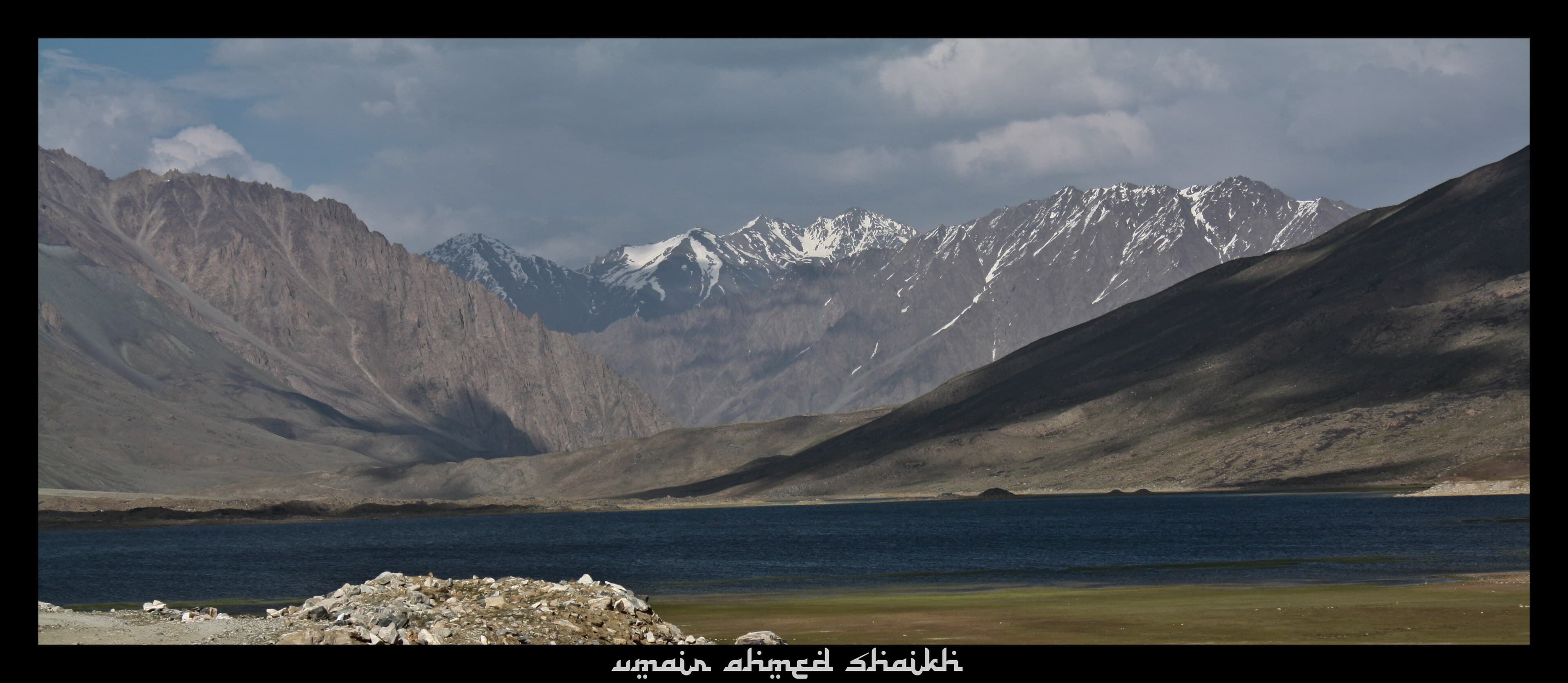
pass · 3,700 m
Shandur Pass
Where the roof of the world hosts a polo match
Culture & History — frequently asked questions
What is the difference between Baltit Fort and Altit Fort?
Altit is the older of the two — over 900 years — and was the original seat of Hunza's rulers, perched on a cliff above the river with the kingdom's first watchtower. Baltit, around 700 years old, became the later royal residence above Karimabad. Both are restored, museum-quality, and easily visited in one day.
When is the Shandur Polo Festival?
Usually in early July, over several days at the 3,700 m Shandur Pass between Gilgit-Baltistan and Chitral. Teams play freestyle mountain polo on the world's highest polo ground, with a tent village, music and thousands of spectators. Book transport and camping months ahead.
What languages and cultures will I encounter in Gilgit-Baltistan?
A remarkable mosaic: Burushaski and Wakhi in Hunza, Shina around Gilgit and Astore, and Balti — an archaic Tibetan language — in Skardu and Khaplu. English is widely spoken in tourist hubs, and communities are notably welcoming to respectful visitors of all backgrounds.
When is the apricot harvest in Hunza?
Roughly July through August, depending on village altitude. Rooftops across the valley turn orange with drying fruit, and visitors are often invited to join the picking and tasting. Blossom season — the photographic counterpart — comes earlier, in April.
Start the conversation
Let's design your culture & history itinerary
Tell us your dates, interests and pace — we'll design a private itinerary with local guides, reliable 4x4s and hand-picked stays.