Wildlife watchers and photographers
Wildlife & Photography
Where the snow leopard still writes its tracks
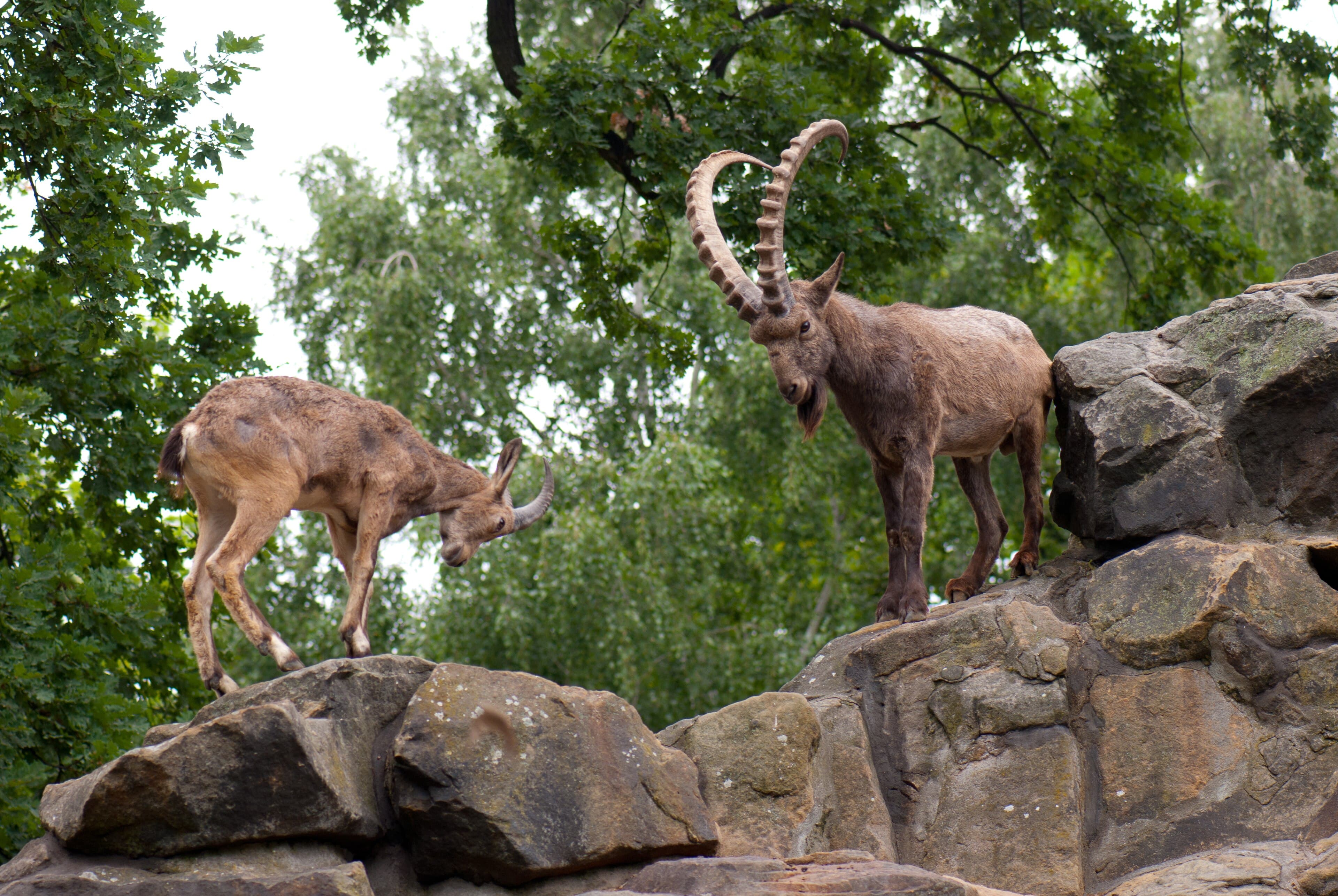
Gilgit-Baltistan is high-altitude wilderness on a continental scale, and its wildlife reflects it. Drive toward the Khunjerab Pass in the early morning and Himalayan ibex graze beside the road; the slopes of Khunjerab National Park also hold Marco Polo sheep — the world's largest wild sheep, with horns sweeping over a metre — along the Chinese frontier. Golden marmots whistle from the verges, and yaks drift across the high pastures like shadows.
The grail is the snow leopard. The Hunza valleys and Khunjerab National Park support one of the cat's healthiest populations, and dedicated winter expeditions — tracking with local spotters between roughly December and March, when the cats follow ibex to lower slopes — give patient photographers a genuine chance of a sighting. Even without the cat, winter Hunza delivers frozen lakes, smoking chimneys and light that summer visitors never see.
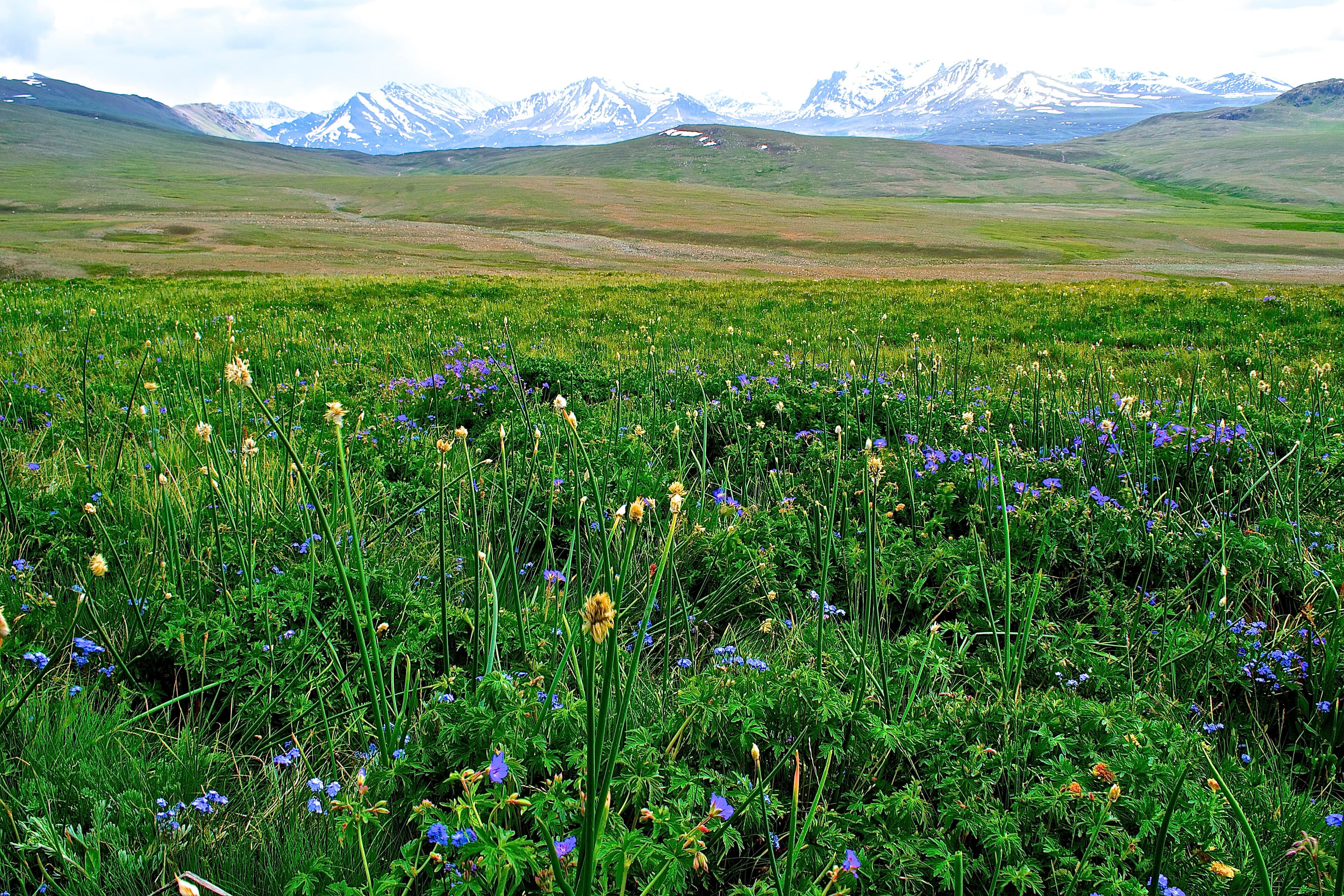
Summer belongs to Deosai. The world's second-highest plateau blooms into a 4,000-metre wildflower grassland in July and August, and it is the stronghold of the Himalayan brown bear — best scanned at dawn near Bara Pani with binoculars and a long lens. Golden marmots pose at burrow entrances across the plateau, while wetlands and lakes such as Sheosar draw waterfowl and raptors; Borith Lake in upper Hunza is a noted stopover for migratory ducks in spring and autumn.
Photographers should plan around two more calendars: blossom season in April, when Hunza's orchards froth pink and white beneath snow-plastered peaks, and late October, when poplar and apricot trees turn the valleys molten gold. Few places on earth pair charismatic wildlife with landscapes this photogenic — and crowds this thin.
What this experience includes
Ibex and Marco Polo sheep at Khunjerab
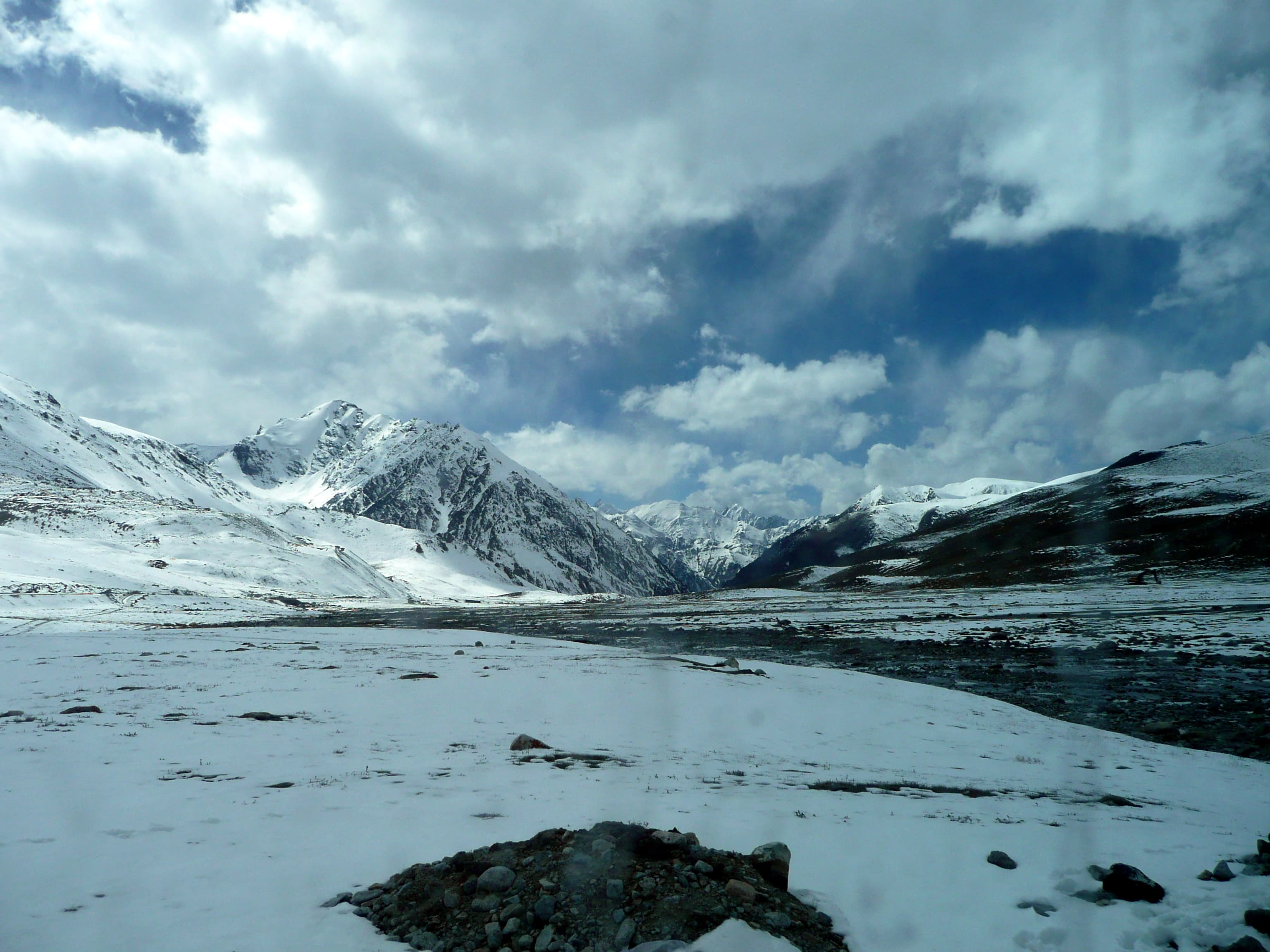
Dawn drives through Khunjerab National Park regularly find Himalayan ibex near the road, with Marco Polo sheep possible on the high frontier slopes. The pass itself, at 4,693 m, is the highest paved border crossing on earth.
Snow leopard winter expedition
Multi-day winter tracking in the Hunza valleys and Khunjerab NP with experienced local spotters, scanning ridgelines for the world's most elusive big cat when snow pushes ibex — and their predator — downslope.
Brown bear watching in Deosai
Summer safaris across the Deosai plateau focus on dawn and dusk scans for Himalayan brown bears near streams and wetlands, with golden marmots, foxes and birds of prey as constant supporting cast.
Birding at Borith Lake and the wetlands
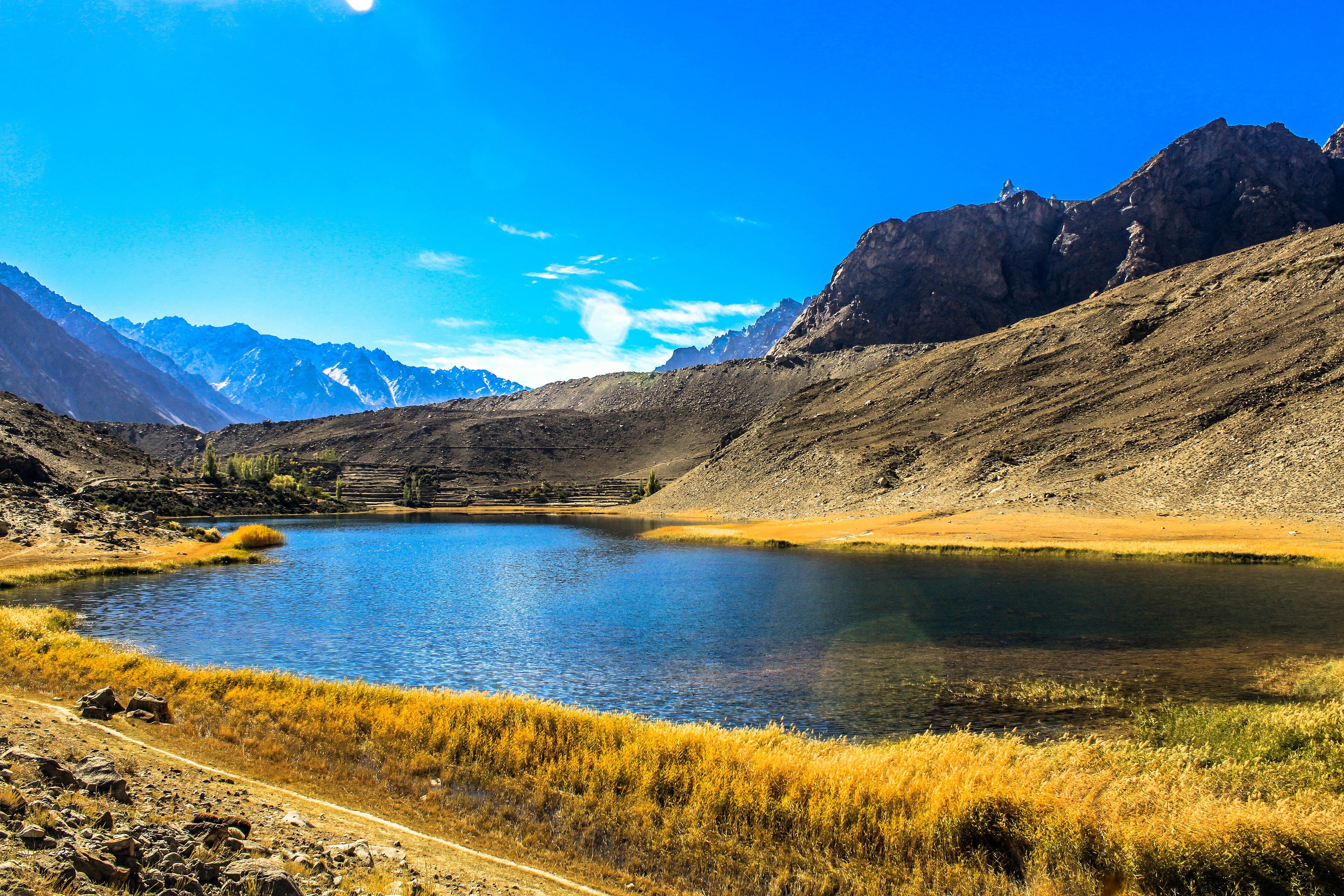
Borith's saline lake above Gulmit attracts migratory waterfowl in spring and autumn, while Deosai's lakes and streams hold breeding and passage species across the brief alpine summer.
Blossom photography in April
Apricot, cherry and almond blossom sweeps up the Hunza Valley in early-to-mid April — shoot pink orchards under Rakaposhi from Karimabad's terraces and the villages around Altit and Gulmit.
Autumn gold in late October
The poplars and orchards of Hunza, Skardu and Khaplu turn amber and crimson against fresh snow — the year's most painterly light, with clear, stable weather for landscape work.
Where we take you
pass · 4,693 m
Khunjerab Pass
Drive to 4,693 m and stand at the China border gate
wildlife · 4,114 m
Deosai National Park
The Land of Giants: a rolling world above 4,000 metres
lake · 2,600 m
Borith Lake
A hushed bowl of water between two glaciers, loved by birds and hikers
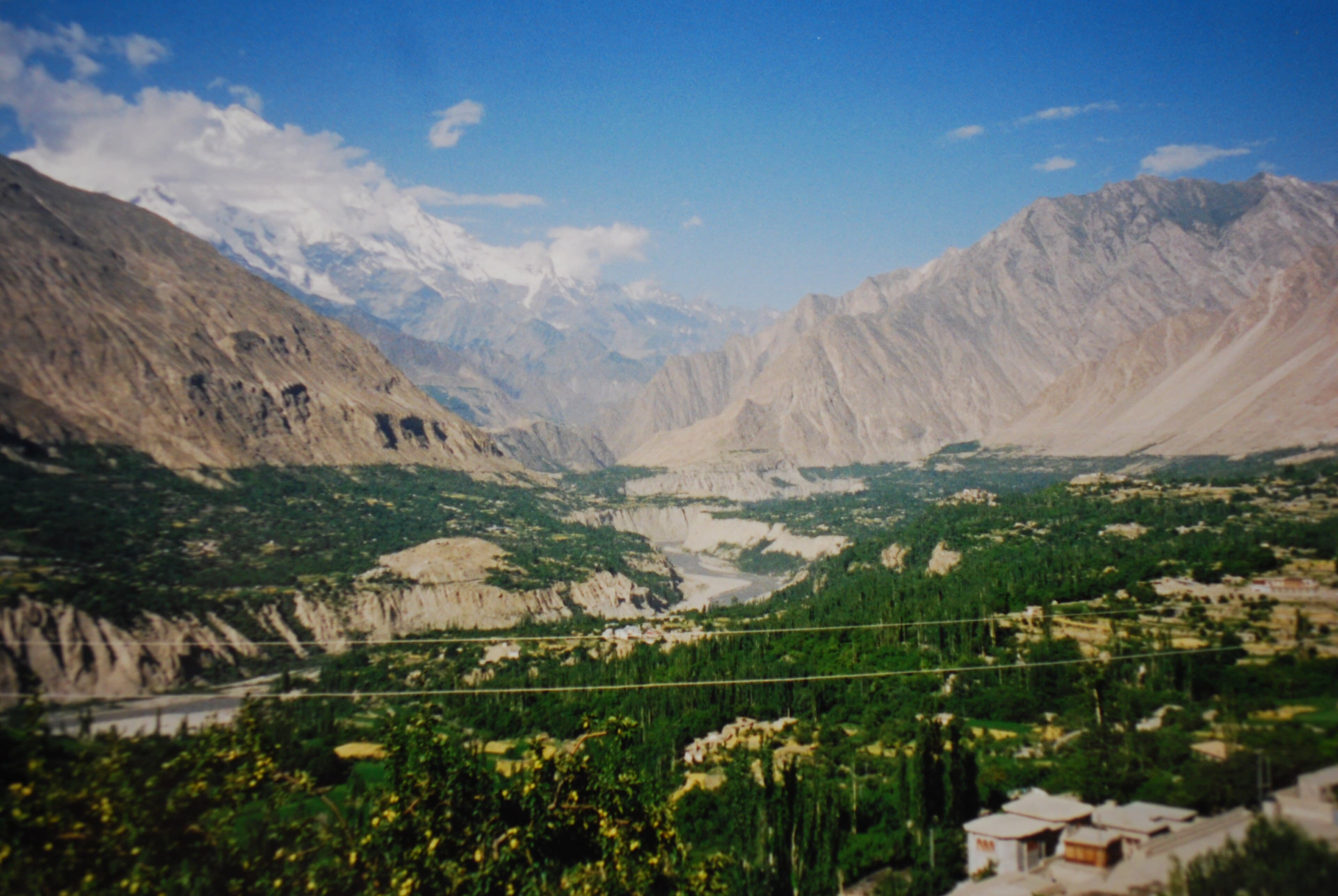
town · 2,450 m
Karimabad
The old royal capital and the heart of every Hunza itinerary
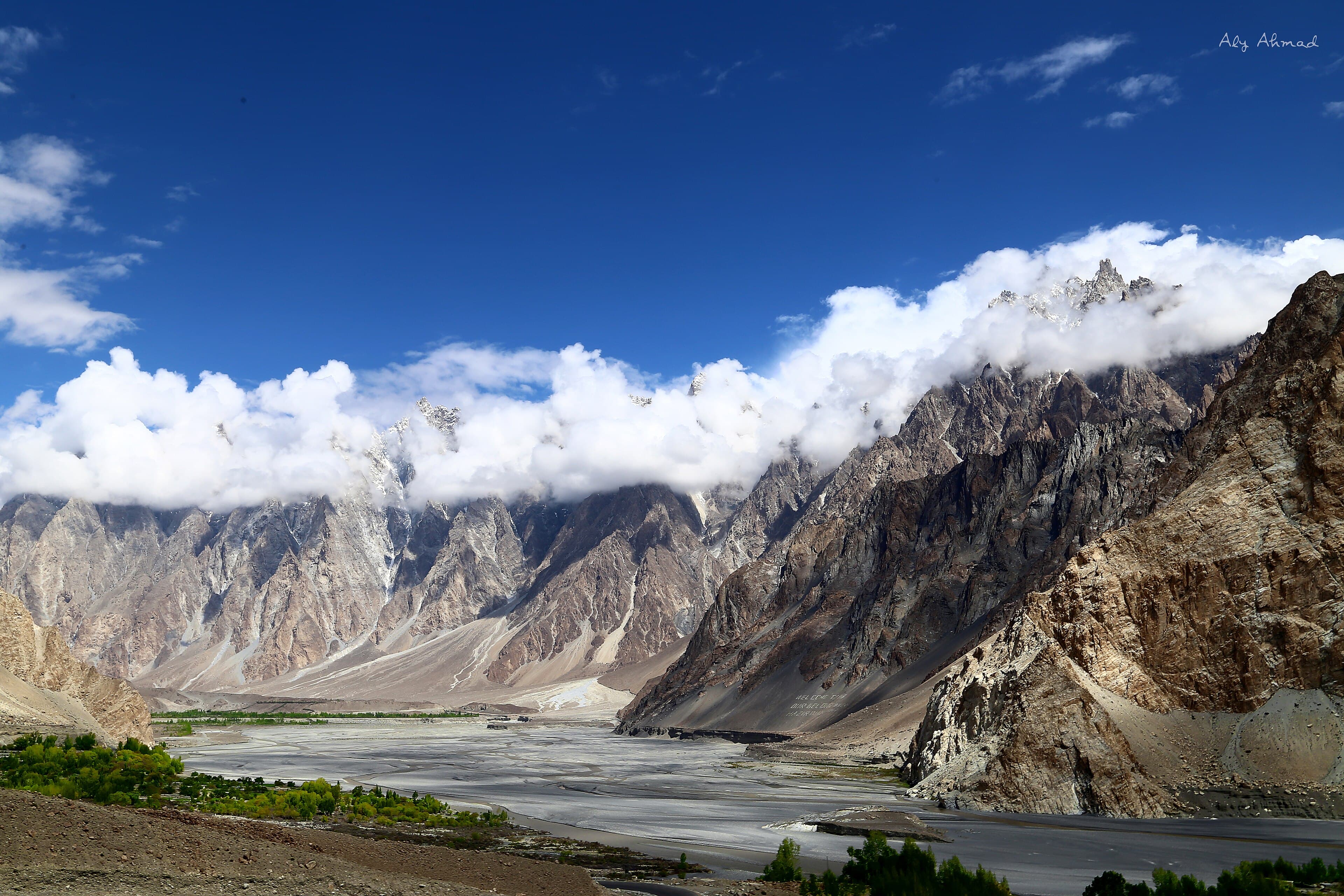
peak · 6,106 m
Passu Cones
The jagged cathedral skyline that defines the Karakoram Highway
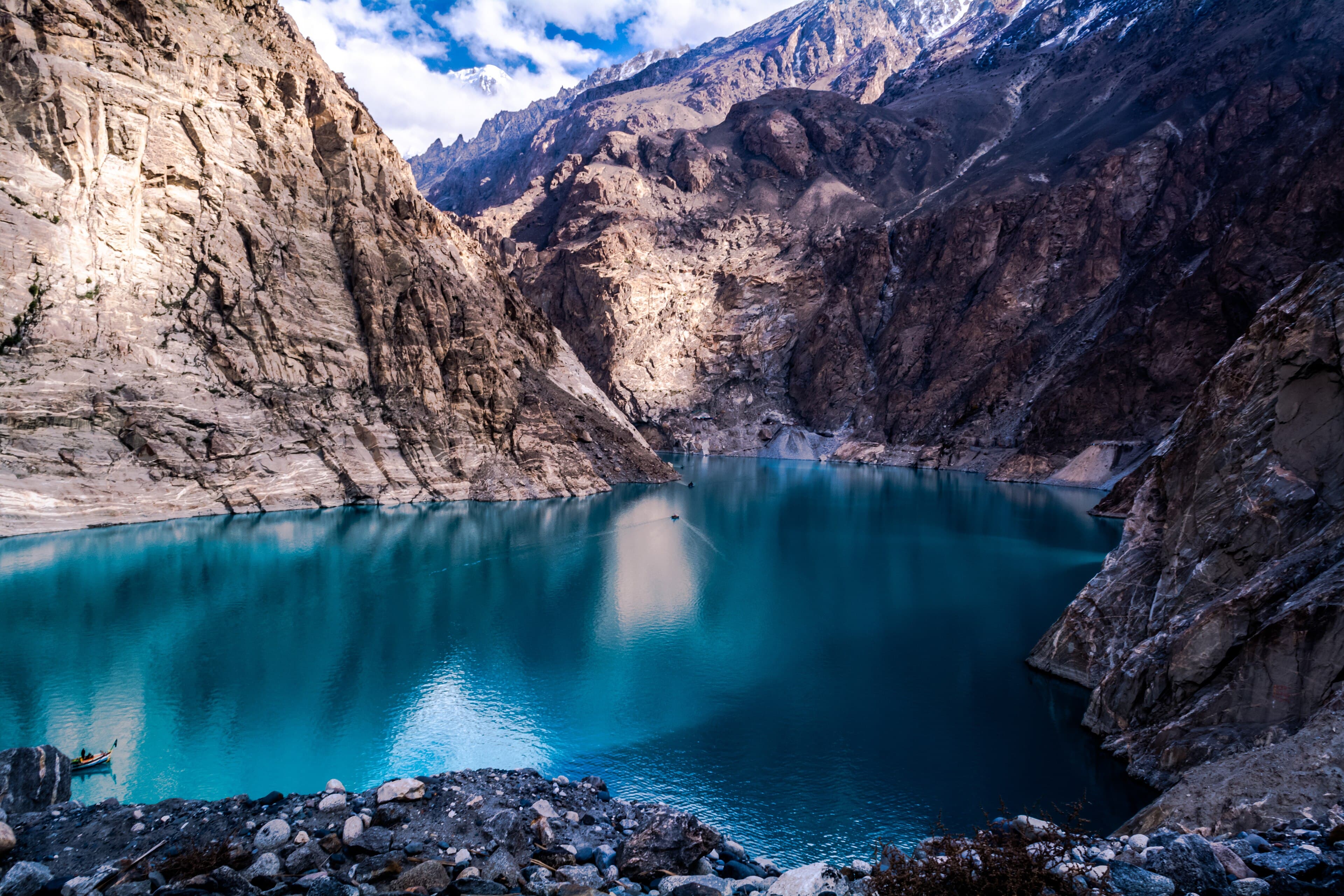
lake · 2,550 m
Attabad Lake
A disaster that became one of Pakistan's most beautiful places
Wildlife & Photography — frequently asked questions
Can you really see snow leopards in Pakistan?
Yes, though never guaranteed — Khunjerab National Park and the Hunza valleys hold a healthy population, and dedicated winter expeditions with local spotters achieve sightings with patience and luck. Even camera-trap and track evidence days are remarkable; treat a direct sighting as the bonus it is anywhere in the world.
When is the best time to see Himalayan brown bears in Deosai?
July and August, when the plateau is snow-free, the wildflowers are out and bears feed actively near streams and wet meadows. Scan at dawn and dusk with binoculars from the tracks — approaching bears on foot is neither safe nor permitted.
What camera gear should I bring to Gilgit-Baltistan?
A 400 mm-plus telephoto for wildlife, a wide-angle for the landscapes, spare batteries (cold drains them fast at altitude) and a sturdy tripod for night skies. Power cuts happen, so bring extra storage and a power bank; drones require prior permission and are restricted near borders.
When is blossom season in Hunza?
Roughly late March to mid-April, moving up the valley with altitude — lower villages bloom first, Gulmit and upper Hunza last. It's brief and weather-dependent, so allow a flexible window of a week to catch the peak.
Start the conversation
Let's design your wildlife & photography itinerary
Tell us your dates, interests and pace — we'll design a private itinerary with local guides, reliable 4x4s and hand-picked stays.