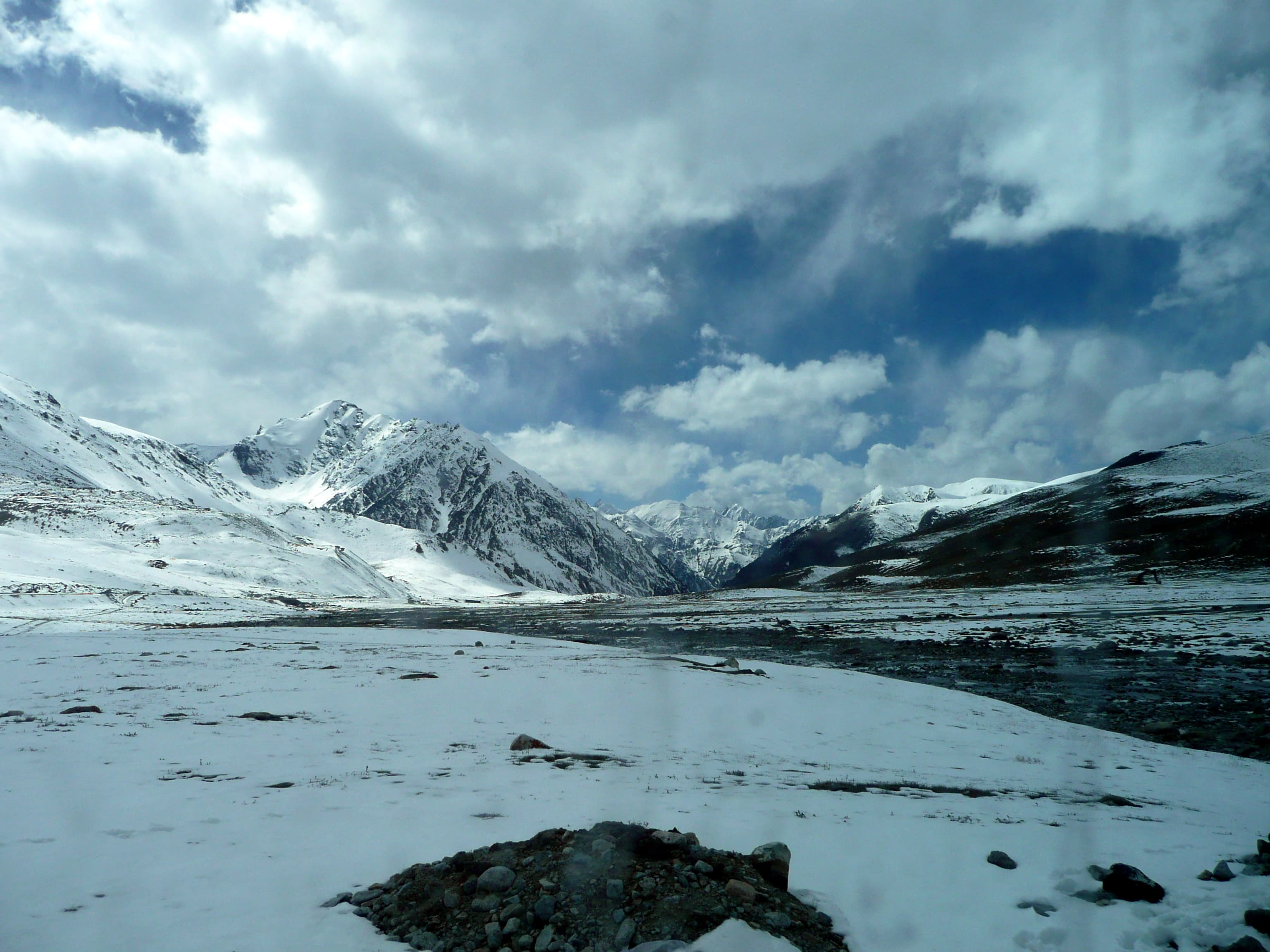
Khunjerab Pass border gate between Pakistan and China at 4,693 metres

Hunza Valley · 4,693 m · pass

Khunjerab Pass

Drive to 4,693 m and stand at the China border gate

Elevation
4,693 m
Claim
World's highest paved border crossing
Park
Khunjerab National Park (est. 1975)
Wildlife
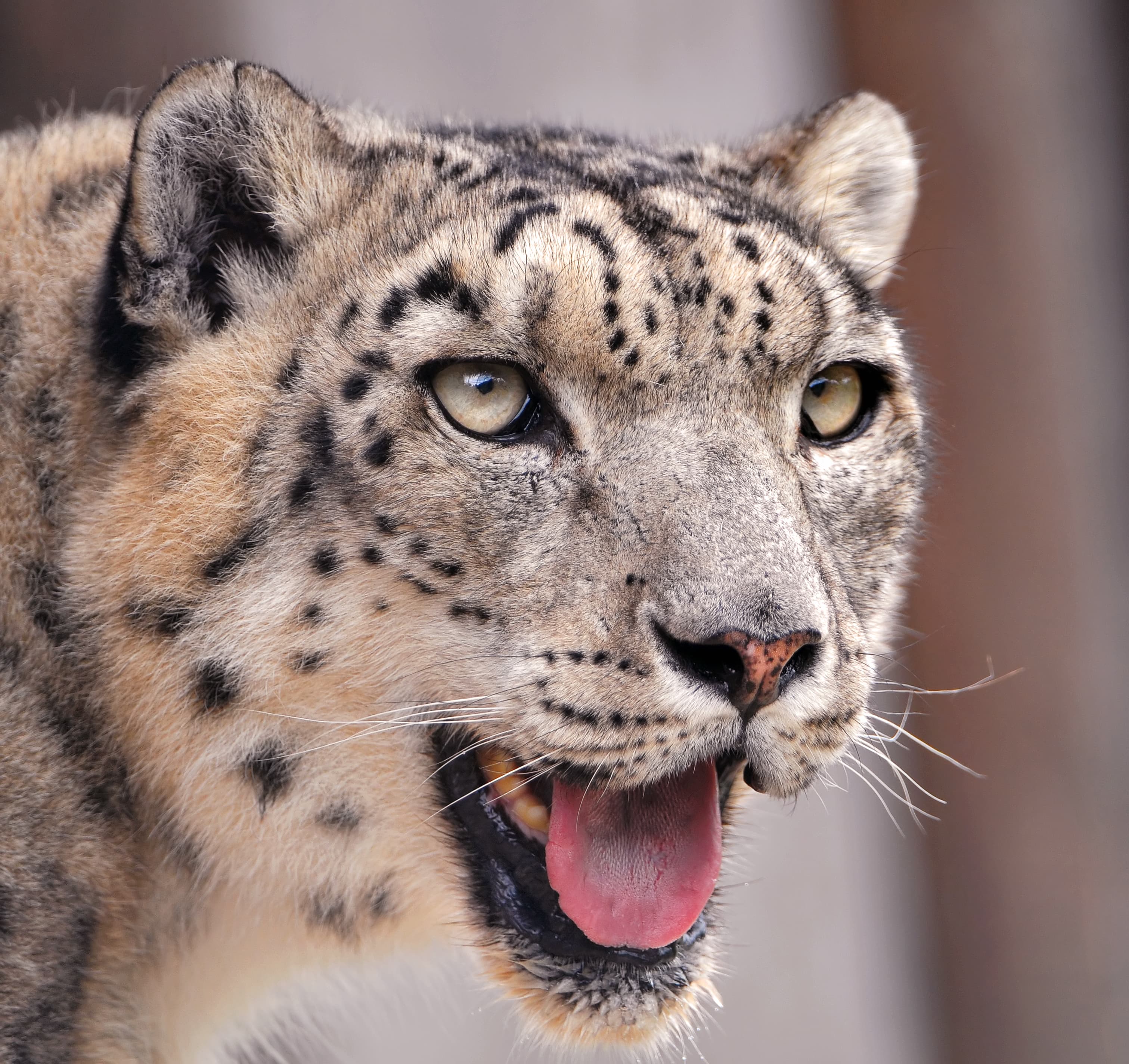
Ibex, blue sheep, marmots, yaks, snow leopard
Season
Open ≈ April–November

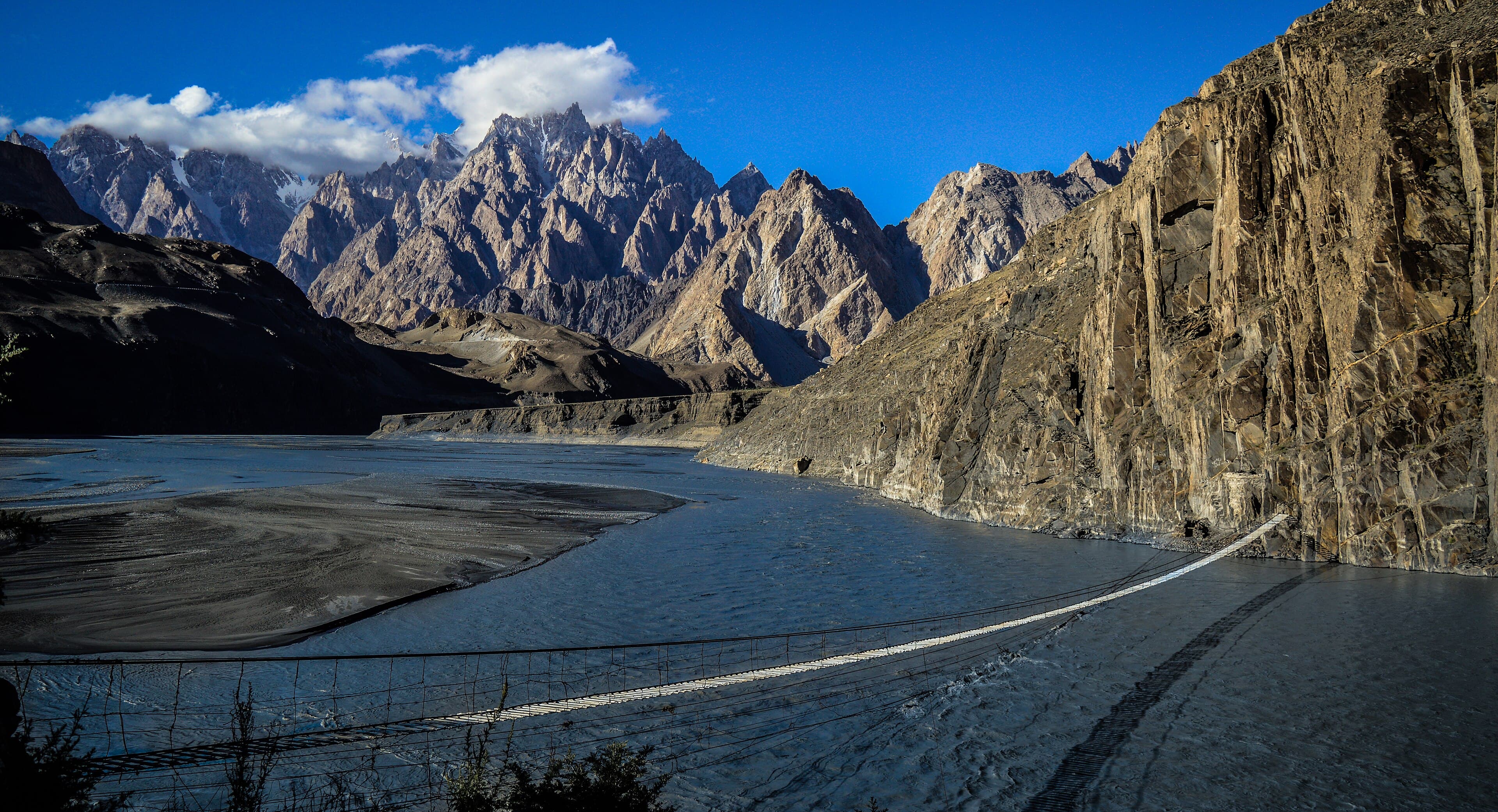
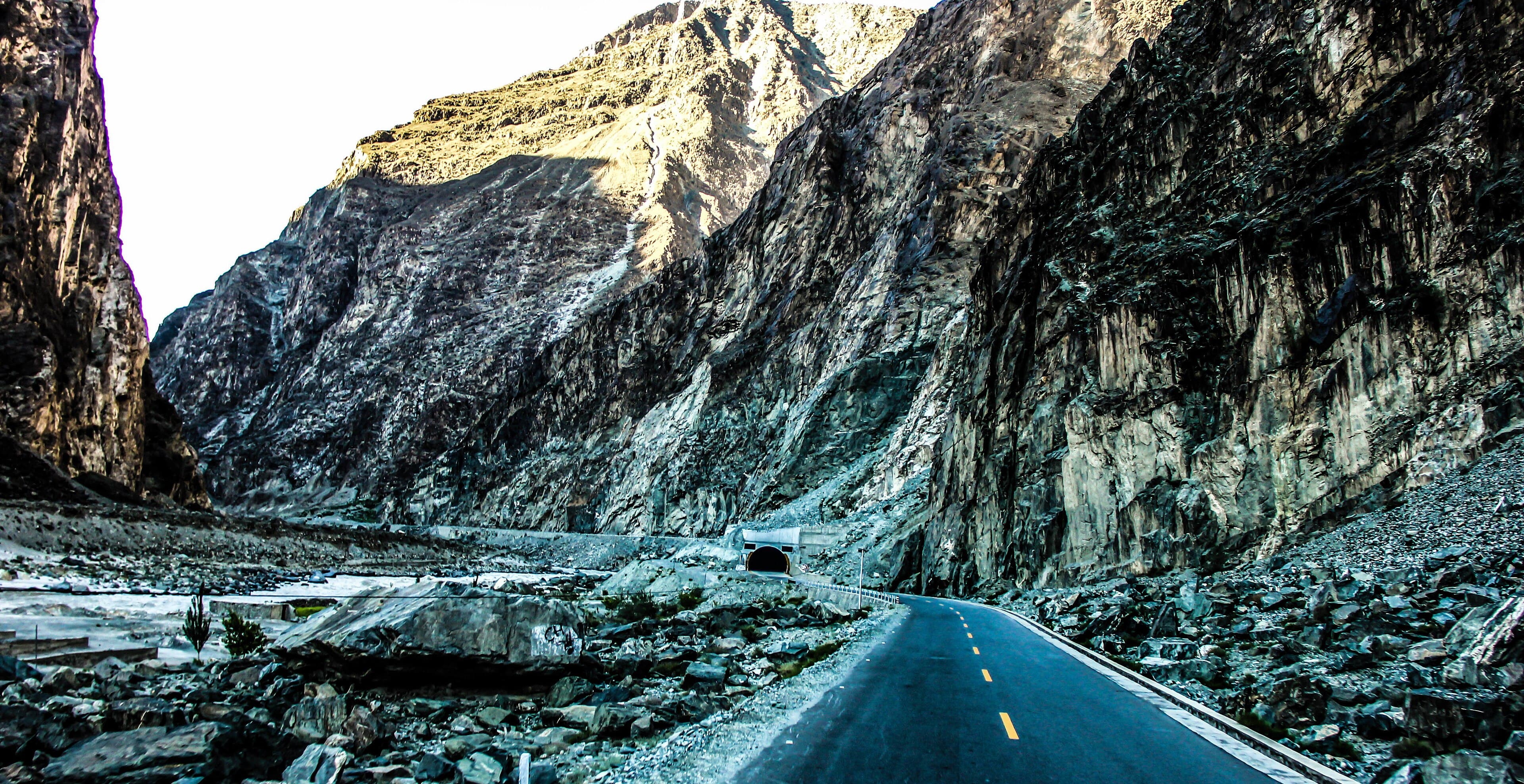
The Karakoram Highway saves its biggest flourish for the end. From Sost, the last Pakistani town, the road climbs nearly 1,900 vertical metres through a sequence of widening valleys to the Khunjerab Pass — at 4,693 m the highest paved international border crossing in the world, where a monumental gate marks the line between Pakistan and China. Snow peaks rim a broad grassy saddle, prayer-flag-bright tourist buses idle in the thin air, and you can walk up and touch the border itself.

The drive is a safari in its own right. The pass sits inside Khunjerab National Park, established in 1975, and wildlife sightings are routine: ibex posing on roadside crags, herds of blue sheep (bharal) on the slopes, golden marmots whistling from the turf, and shaggy yaks grazing the high pastures. The park is also core habitat for the snow leopard — rarely seen, but genuinely here, which gives the empty upper valleys an electric quality.

At the top, novelty stacks on novelty: the world's highest ATM (a working National Bank of Pakistan machine), the border gate photo, Chinese watchtowers across the line, and the simple thrill of standing at almost 4,700 m having driven the whole way on smooth tarmac. It is properly high — walk slowly, drink water, and expect a pounding heart on the gate steps.

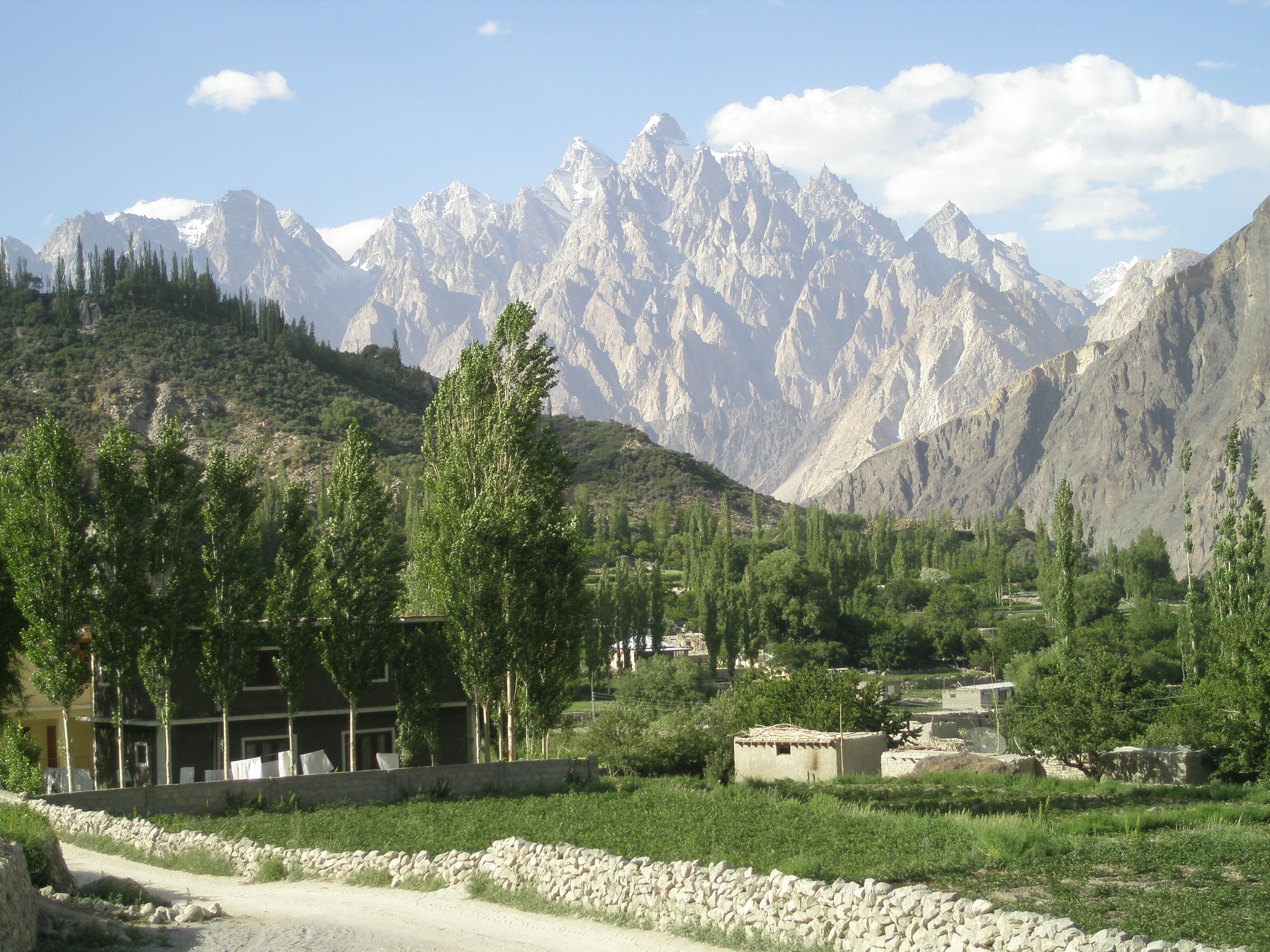
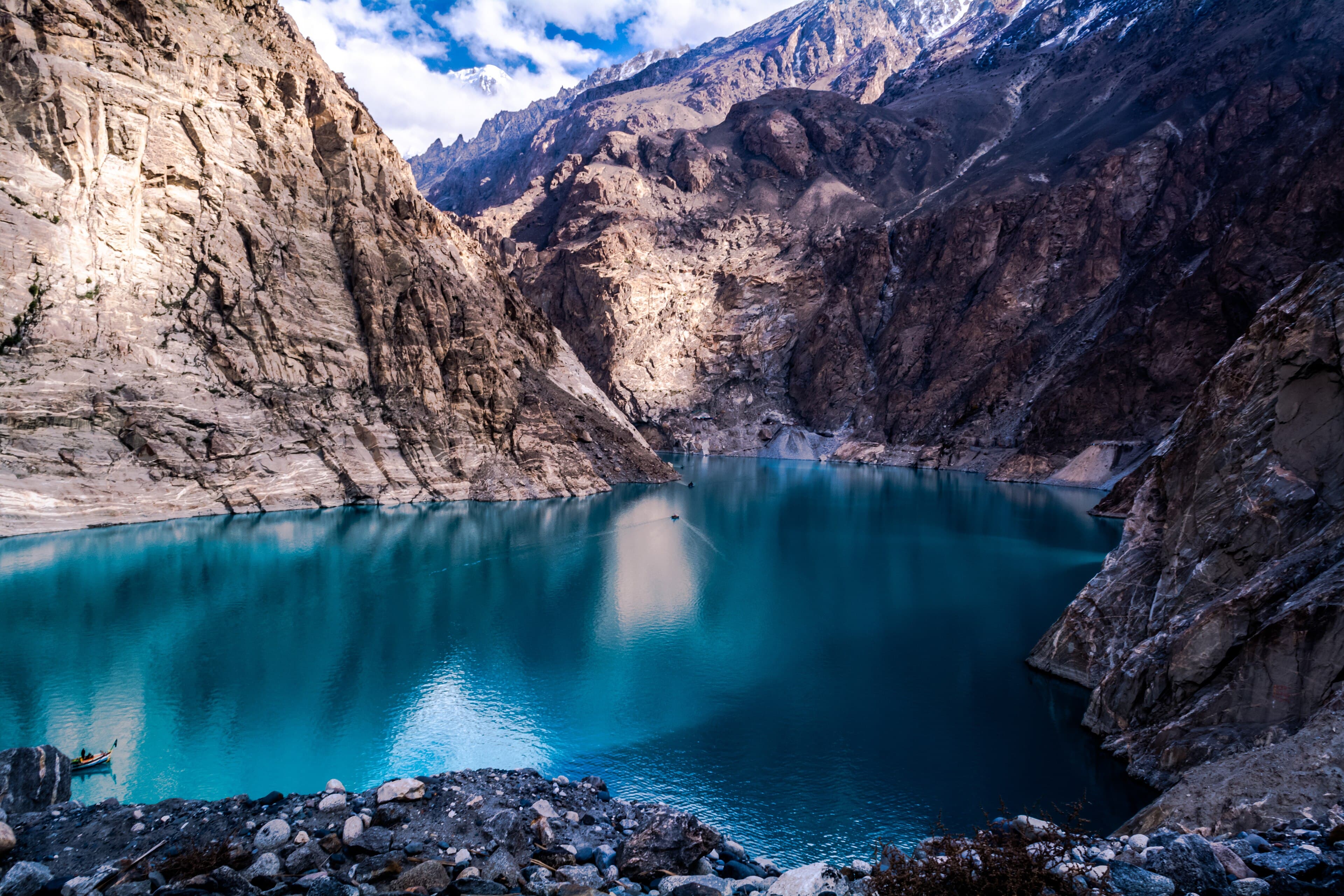
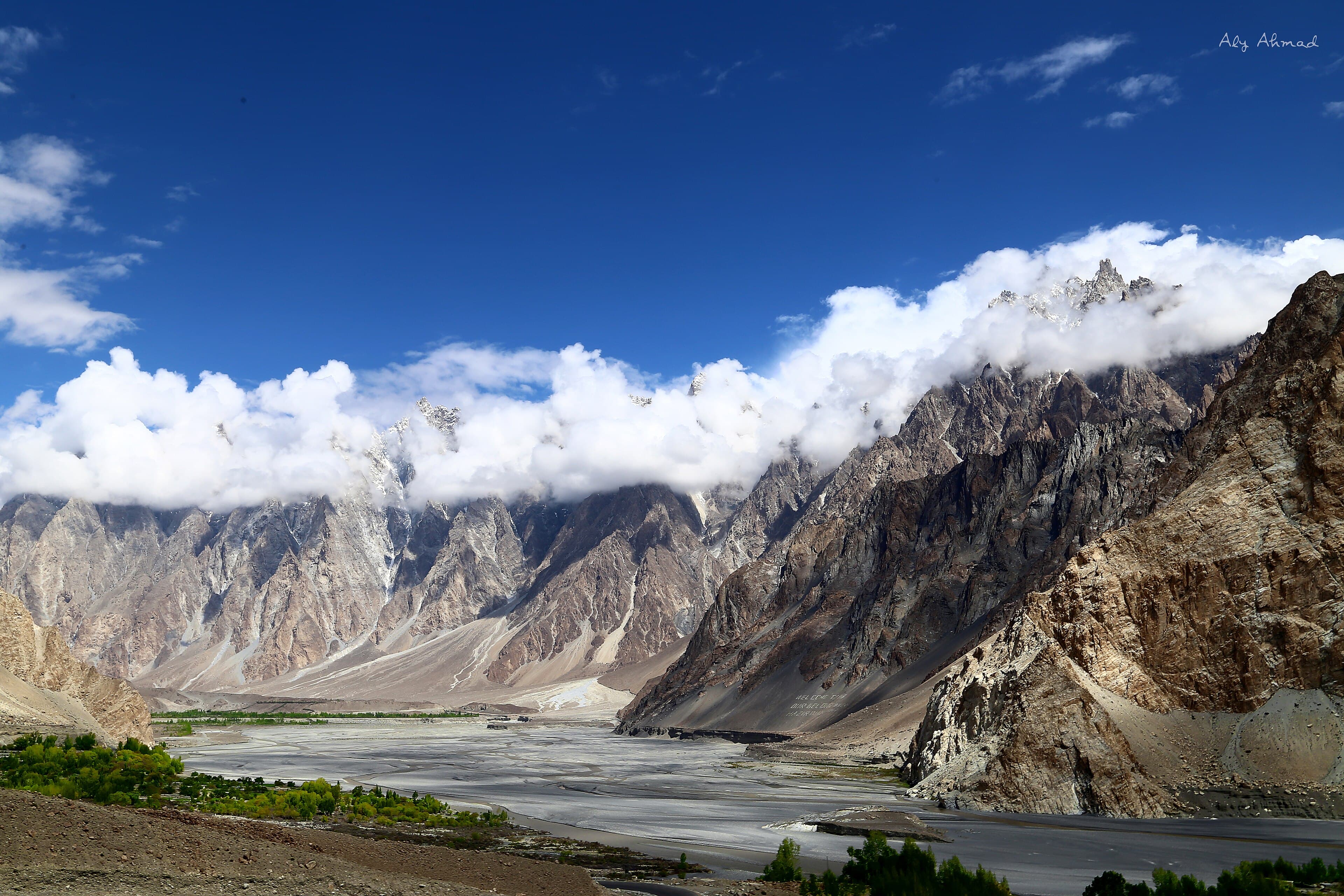
Khunjerab is a long but classic day trip from Karimabad: roughly 4–5 hours each way with stops, passing Attabad Lake, Gulmit, the Passu Cones and Sost, where passports are checked at the immigration post even if you're not crossing. The pass is open to tourists roughly April–November; snow closes the road in winter. Go early, carry your passport, and keep the afternoon free for slow photo stops on the way down.
Tours featuring Khunjerab Pass

Nearby & related places

Khunjerab Pass — frequently asked questions

Do you need a permit or visa to visit Khunjerab Pass?

No special permit is needed to visit the pass from the Pakistani side — just your passport and Pakistani visa, which are checked at Sost. You only need a Chinese visa if you're actually crossing the border into Xinjiang. A national park entry fee is collected en route.

Is altitude sickness a problem at Khunjerab Pass?

You'll feel the 4,693 m altitude — breathlessness, headache and fatigue are common, since most visitors drive up from 2,500 m in a few hours. The standard day trip is safe for healthy travelers because you descend the same day: walk slowly, hydrate, skip alcohol, and descend promptly if you feel unwell.

What animals can you see in Khunjerab National Park?

Ibex and blue sheep are commonly spotted from the road, along with golden marmots and grazing yaks near the top. The park is prime snow leopard habitat too, though sightings are extremely rare. Drive slowly in the upper sections and scan the crags — your driver will know the usual spots.

How long is the trip from Karimabad to Khunjerab Pass?

Plan a 10–12 hour day: roughly 4–5 hours each way including the Sost passport check, plus time at the top and photo stops at Attabad, Passu and the park's wildlife zones. Many travelers break the return with a night in Gulmit or Passu.

Is there really an ATM at Khunjerab Pass?

Yes — the National Bank of Pakistan operates a machine at the pass that is billed as the world's highest ATM, at about 4,693 m. It does work, though don't rely on it: carry the cash you need from Aliabad or Gilgit.

Start the conversation

Want Khunjerab Pass on your itinerary?

Tell us your dates, interests and pace — we'll design a private itinerary with local guides, reliable 4x4s and hand-picked stays.