The one-paragraph answer
If you want the safest all-round window, come between mid-April and late October. Within that: late March to mid-April for cherry and apricot blossom, May–June for green valleys and fewer crowds, July–August for high passes, Deosai and trekking, and mid-October for the most spectacular autumn colour in Asia. Winter (November–March) is for a small tribe of travellers who want snowbound forts and absolute solitude — and who can handle closed passes and cold guesthouses.
Two structural facts shape every season here. First, Gilgit-Baltistan lies in the Karakoram's rain shadow, so unlike most of South Asia it has no real monsoon — summer days are usually dry and brilliantly clear at valley level. Second, altitude is destiny: Skardu at 2,230 m and Karimabad at 2,500 m are comfortable when Deosai at 4,100 m is still under snow, so 'what's open' depends almost entirely on elevation.
Spring (late March–May): blossom and waking valleys
Spring arrives from the bottom up. In late March the apricot, cherry and almond orchards around Skardu and lower Hunza begin to froth pink and white; by early-to-mid April the bloom climbs to Karimabad, Altit and the Nagar villages, with snow still heavy on Rakaposhi and Ultar behind. It's the most photogenic fortnight of the year, and our cherry blossom guide covers the exact spots and timing in detail.
April and May are superb for the cultural circuit: Baltit and Altit Forts, Shigar and Khaplu, Attabad Lake boating and valley walks are all in full swing, temperatures are a mild 15–22°C by day, and summer crowds haven't arrived. Nights stay cold, especially above 2,500 m, so pack layers.
What's not open yet: the Khunjerab Pass typically opens to tourists around April but can be delayed by snow; the Deosai plateau road usually doesn't open until late June; Babusar Pass stays closed until roughly July; and high treks like Rakaposhi Base Camp shed their snow through May. Fairy Meadows generally opens during May as the track clears.
Summer (June–August): everything open, peak season
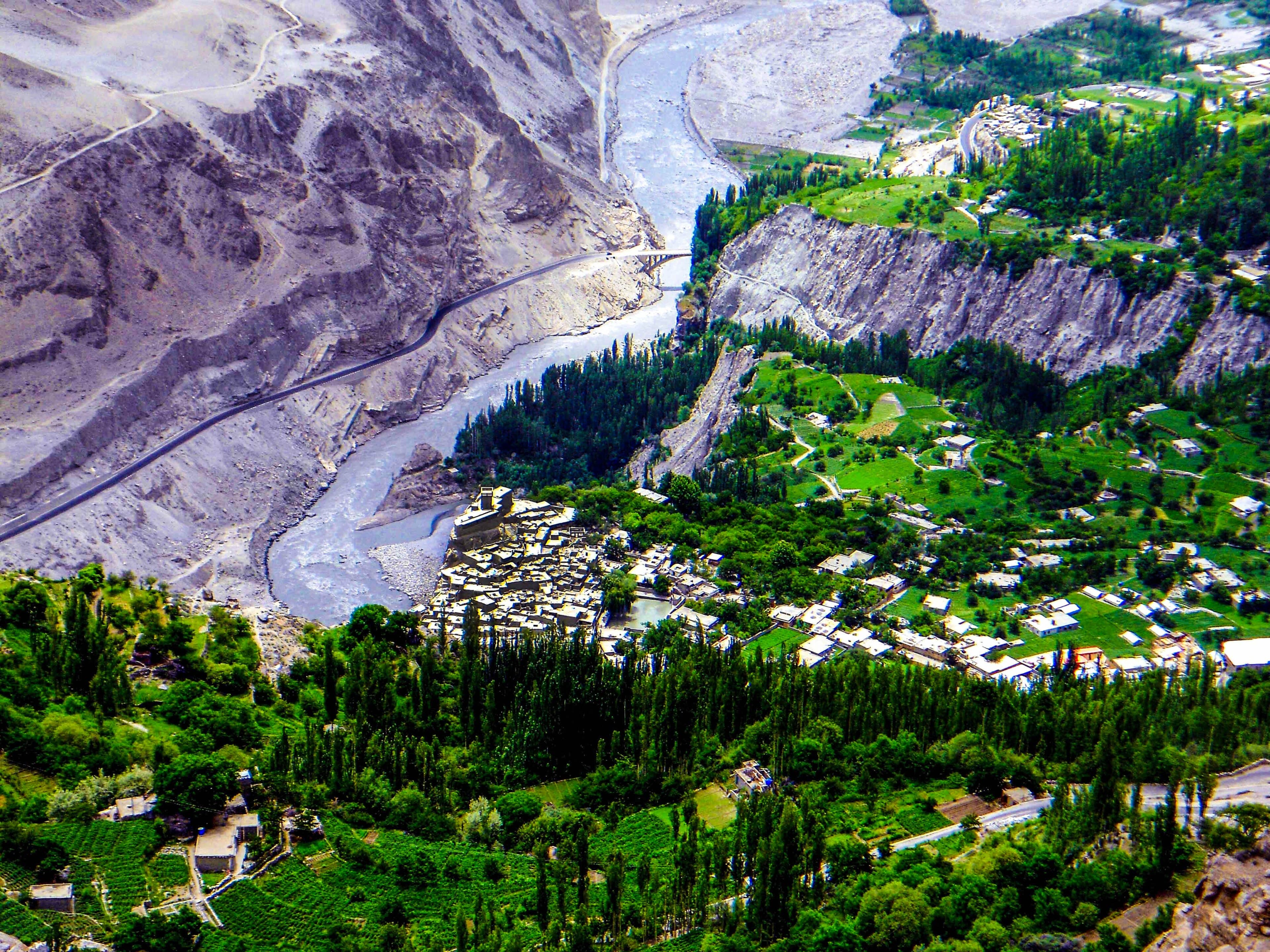
Summer is when Gilgit-Baltistan fully unlocks. By July every road and pass on the tourist map is open: Khunjerab, Babusar, Deosai, Shandur and the trekking routes to Rakaposhi Base Camp, Fairy Meadows–Nanga Parbat Base Camp and K2 Concordia. Valley temperatures run 25–35°C in Gilgit and Skardu (hotter in the gorge towns like Chilas), while the high meadows stay deliciously cool.
July and August are Deosai's moment — the plateau erupts in wildflowers and the Himalayan brown bears are active — and early July brings the Shandur Polo Festival on the world's highest polo ground. These are also the months for the great treks: K2 Base Camp expeditions and Concordia trekkers all move in the June–August window.
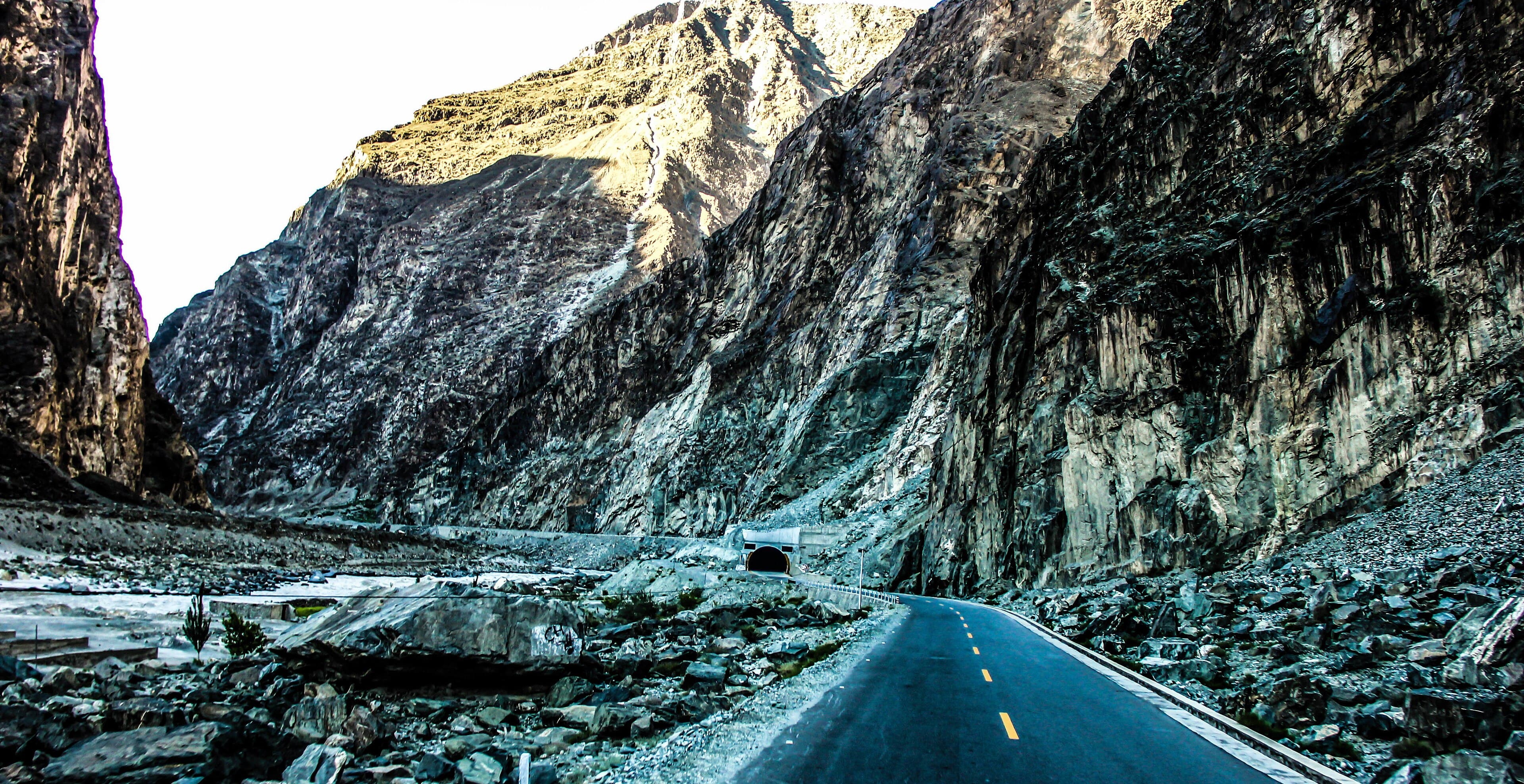
The trade-offs: this is domestic high season, so July–August weekends see Pakistani tourists fill Hunza's hotels — book well ahead and expect Attabad Lake to be lively. It's also the one period when occasional monsoon spillover can trigger landslides on the southern sections of the Karakoram Highway, so smart itineraries keep a buffer day.
Autumn (September–early November): the connoisseur's season
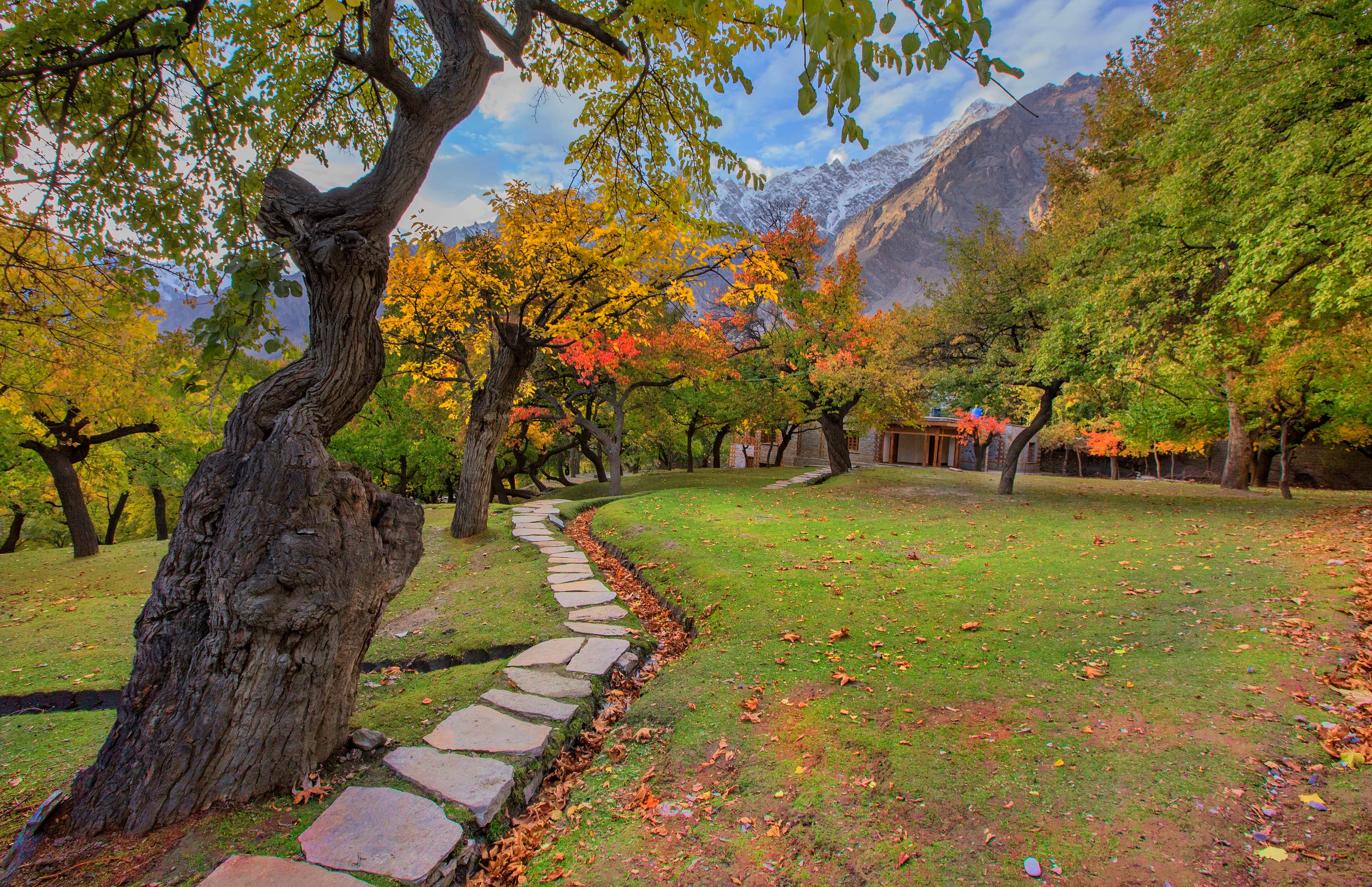
Ask guides their favourite month and most will say October. From late September the poplars turn gold, and through October the apricot and cherry orchards blaze orange and crimson against fresh snow on the peaks — Hunza's terraces and the Khaplu and Shigar valleys are at their absolute peak in the second half of October.
September is arguably the best trekking month: trails are dry, skies are at their clearest after summer, and the crowds have gone home. Deosai remains crossable until roughly late September or early October, and Khunjerab stays open (weather permitting) until late November, though it gets bitterly cold up there by then.
By early November the colour drops with the leaves, Fairy Meadows closes as snow blocks the track, and the region exhales into winter quiet. If you want autumn, the realistic window is tight — roughly 5–25 October for the full spectacle — and flights and good hotels fill early.
Winter (November–March): for the few
Winter Gilgit-Baltistan is a different country: snowbound forts, frozen lakes (Khalti Lake in Ghizer freezes solid; Attabad's edges glaze over), wood smoke over silent villages and not a tour bus in sight. Skardu flights operate year-round when weather allows, and the Karakoram Highway to Hunza generally stays open at valley level, so a winter trip is genuinely feasible.
The constraints are real, though. Khunjerab is closed to tourists roughly December through March, Deosai and Babusar are buried, many guesthouses shut and the rest rely on stoves and intermittent power. Daytime valley temperatures hover around freezing, with nights far below. Come for photography, solitude and crackling-stove hospitality — not for ticking off sights.
One winter bonus: this is prime season for spotting wildlife such as ibex driven low by snow, and the light is extraordinary — low, gold and shadowless on the big faces of Rakaposhi and Nanga Parbat.
What's open when: the cheat sheet
Khunjerab Pass: open to tourists roughly April–November, weather permitting; closed December–March. Deosai National Park: jeep roads open roughly late June–late September. Fairy Meadows: roughly May–October; snow closes the track in winter. Babusar Pass (the scenic KKH alternative via Naran): roughly July–September. Shandur Pass: June–October, with the polo festival in early July.
Valley-level destinations — Karimabad, Baltit and Altit Forts, Attabad Lake, Skardu town, Shigar, Khaplu, the cold deserts and Kachura lakes — are accessible year-round, with reduced services in deep winter. K2/Concordia trekking runs June–August, with September possible for strong, well-equipped groups.
Flights matter seasonally too: the Islamabad–Skardu flight operates year-round but cancels in cloud, and winter cancellation rates are higher. Whatever the month, the golden rule of Gilgit-Baltistan stands: build one spare day into every week of travel.
Questions, answered
What is the best month to visit Hunza Valley?
For most travellers, either April (cherry and apricot blossom, mild days, few crowds) or October (blazing autumn colour and crystal skies). July–August offer everything open — including Khunjerab and Deosai — but bring peak-season crowds and heat in the lower gorges.
When is cherry blossom season in Hunza?
Roughly late March to mid-April, moving up with altitude: Skardu and lower valleys bloom first, central Hunza around Karimabad typically peaks in early-to-mid April. Exact dates shift a week or so year to year with the spring temperatures.
Is the Khunjerab Pass open all year?
No. The pass is open to tourists roughly April to November, weather permitting, and closed by snow from about December to March. Even in summer, carry warm layers — it sits at 4,693 m and can snow there in August.
Can you visit Gilgit-Baltistan in winter?
Yes — Skardu flights run year-round and the KKH to Hunza generally stays open at valley level. Expect closed high passes, sub-zero nights, reduced hotel options and extraordinary solitude. It suits photographers and experienced travellers more than first-timers.
Does Hunza get monsoon rain in summer?
Very little. Gilgit-Baltistan sits in the Karakoram rain shadow, so summers are mostly dry and clear at valley level. Occasional monsoon spillover can affect the southern Karakoram Highway sections in July–August, which is why itineraries should include a buffer day.